



Workable is a solid starting point for hiring teams. It’s easy to use, quick to set up, and covers the basics well.
But once hiring gets more complex—more roles, more stakeholders, higher volume—those same strengths can start to feel limiting. Teams often run into gaps around customization, AI accuracy, and workflow flexibility.
That’s usually when the search for alternatives begins.
In this blog, I’ll break down the best Workable alternatives, based on how they actually perform across real recruiting workflows—so you can find a tool that fits your team today and scales with you tomorrow.
Why recruiters are looking for a Workable alternative
- Doesn’t hold up as hiring gets complex: Workable is great for getting started, but many teams find it limiting as they scale. Managing multiple roles, stakeholders, and high candidate volumes can quickly turn into manual workarounds. Overall, the system becomes very rigid after a certain scale.

- Limited customization and reporting: Recruiters often struggle to tailor pipelines, workflows, and reports to match their hiring process. As a result, teams lack the flexibility and visibility needed to track performance and optimize hiring decisions.
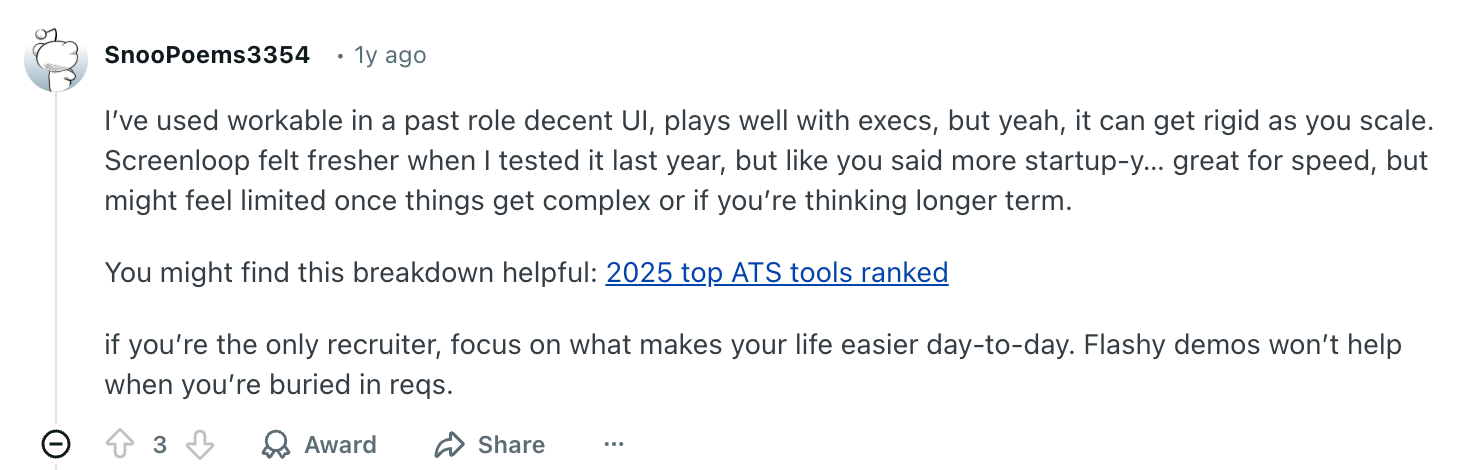
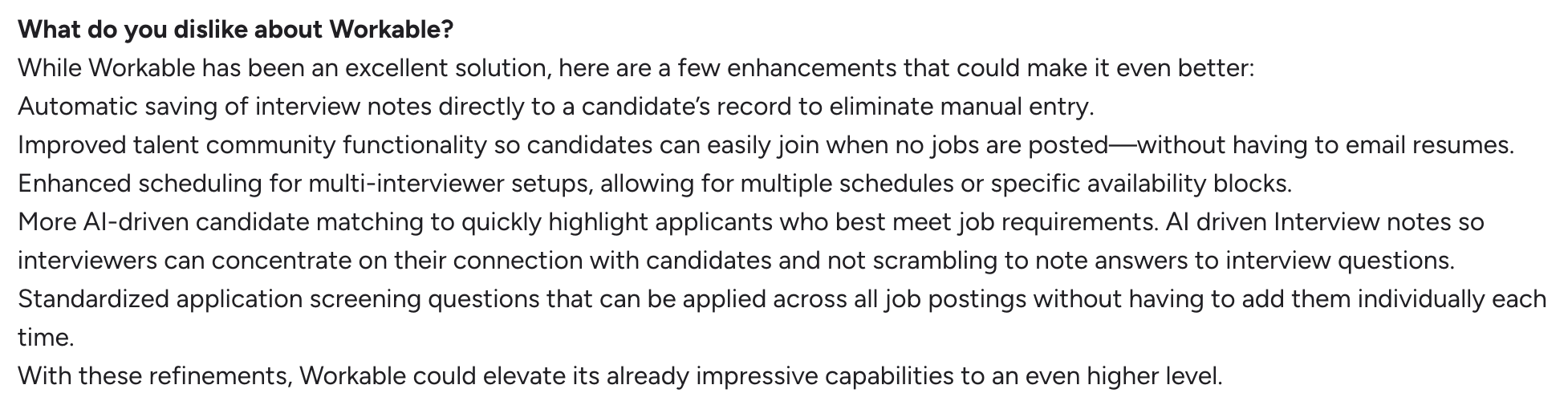
- Automation and AI feel surface-level: While Workable offers AI features, many users feel they don’t go deep enough to reduce manual effort. Screening, coordination, and insights still require significant hands-on work—especially at scale.
[Source]
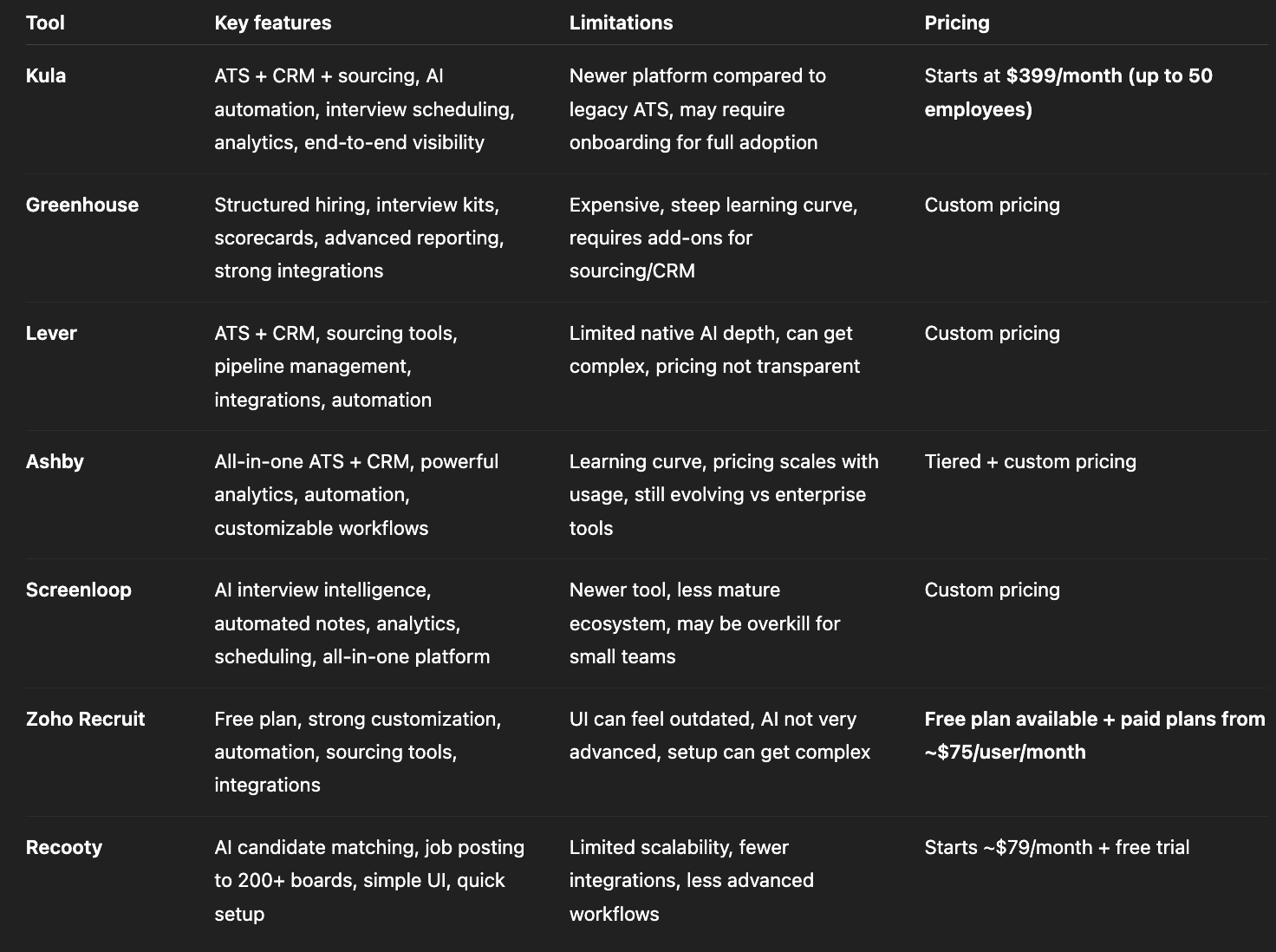
A quick comparison of the best Workable alternatives (Free + paid)
- Kula: Best for scaling teams that want an all-in-one, AI-first recruiting system (ATS + sourcing + automation + analytics)
- Greenhouse: Best for enterprise teams that need structured hiring, compliance, and standardized workflows
- Lever: Best for sourcing-heavy teams that need ATS + CRM and strong candidate engagement
- Ashby: Best for startups and mid-sized teams that want deep analytics + flexible workflows in one platform
- Screenloop: Best for teams focused on interview intelligence, evaluation quality, and AI-driven insights
- Zoho Recruit: Best for small teams or agencies that need a budget-friendly ATS with a free plan and customization
- Recooty: Best for early-stage teams that want a simple, affordable ATS with a free trial and quick setup
The best 7 Workable alternatives we’ve reviewed
1. Kula: Best all-in-one AI-native ATS
Best for: Teams that want an all in one, AI-native applicant tracking system that consolidates sourcing, applicant tracking, automated interview scheduling, interview intelligence with built-in notetaker, AI-driven analytics, and candidate communication into one system for multiple stakeholders.
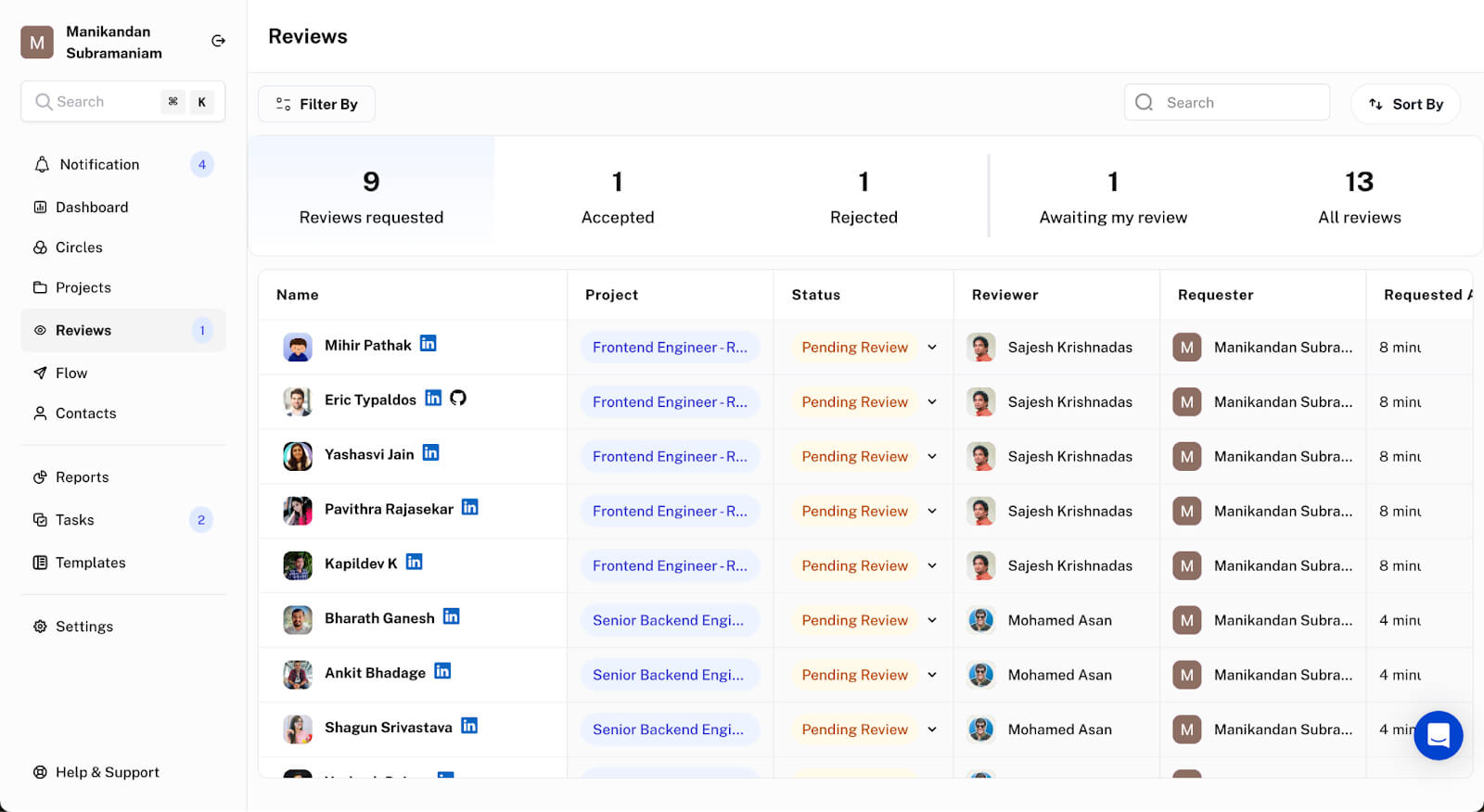
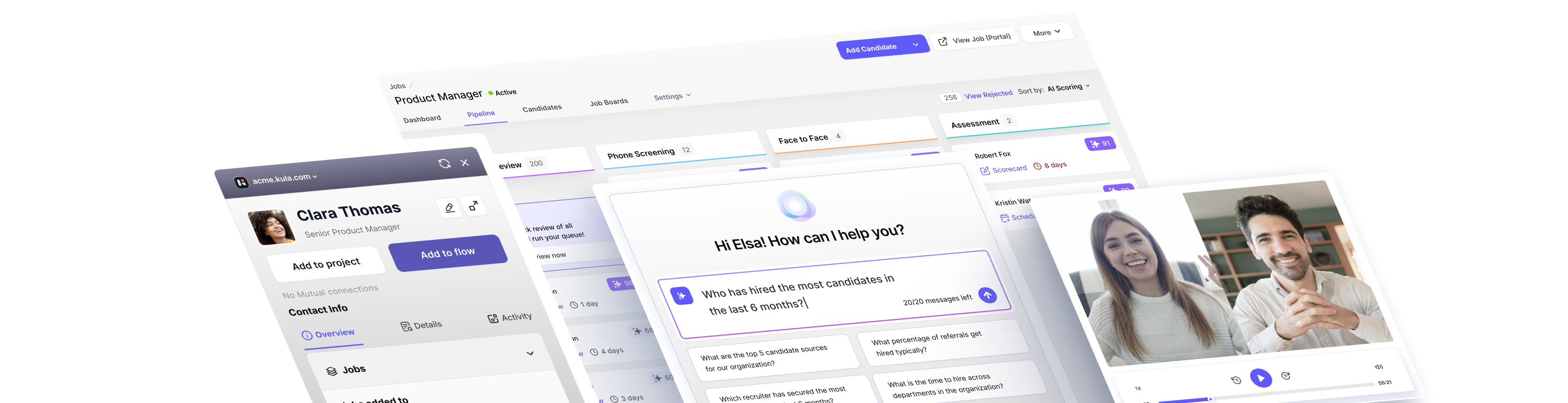
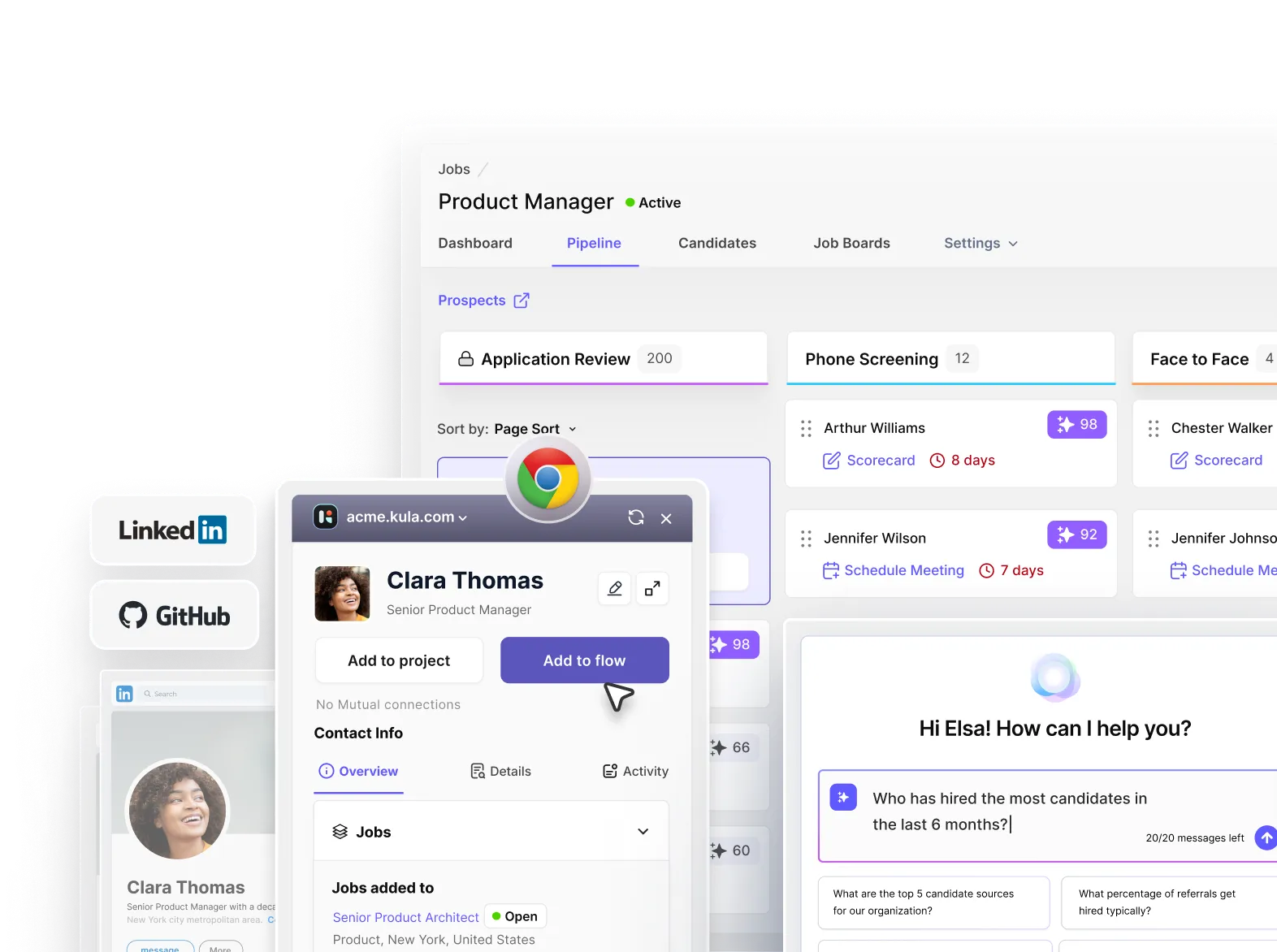
Kula is an all-in-one AI-native recruiting software designed to handle the entire hiring workflow within a single platform. Unlike most ATS platforms that rely on integrations for sourcing, scheduling, or analytics, Kula includes these capabilities natively.
The best part about Kula is that AI isn’t treated as an add-on layer or additional ATS feature. You’ll find AI built into each feature to make hiring more smarter and streamlined for your team.
The main advantage is that all data—candidate profiles, outreach activity, interview feedback, hiring metrics, and even candidate assessment and job offer roll outs—are all stored in one system.
Unlike Ashby, Kula is very intuitive, easy to use and requires almost no learning curve. It’s also extremely easy to migrate to. If you’ve used Ashby, you’ll know how clunky the UI can be for simple tasks like reviewing candidate profiles.
But Kula’s interface is very smooth and has no unnecessary steps that elongate the hiring process.
Why Kula is a better alternative to Workable:
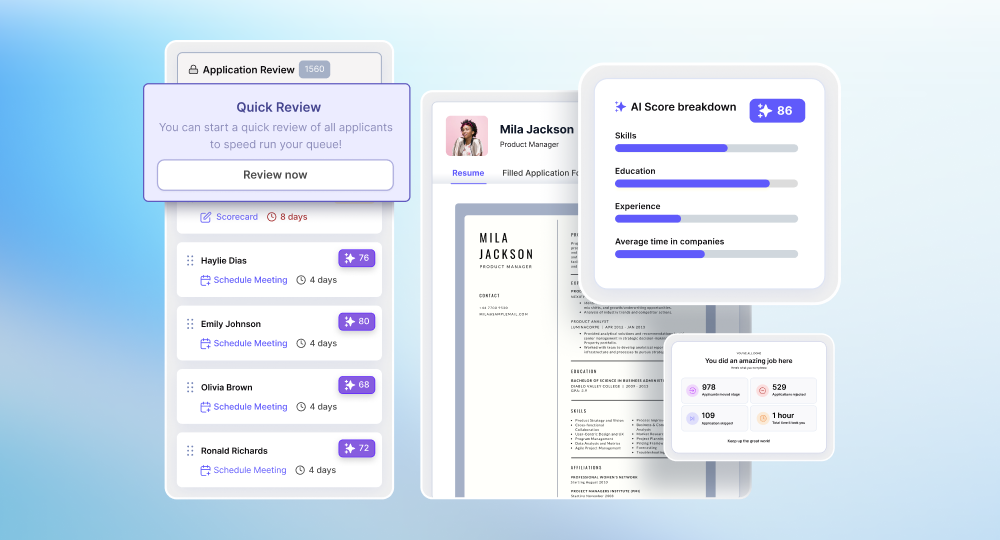
- AI scoring for candidate evaluation: Recruiters can define role-specific criteria such as skills, experience, and qualifications. The system automatically scores and ranks candidates based on these inputs, reducing manual resume screening and improving consistency.
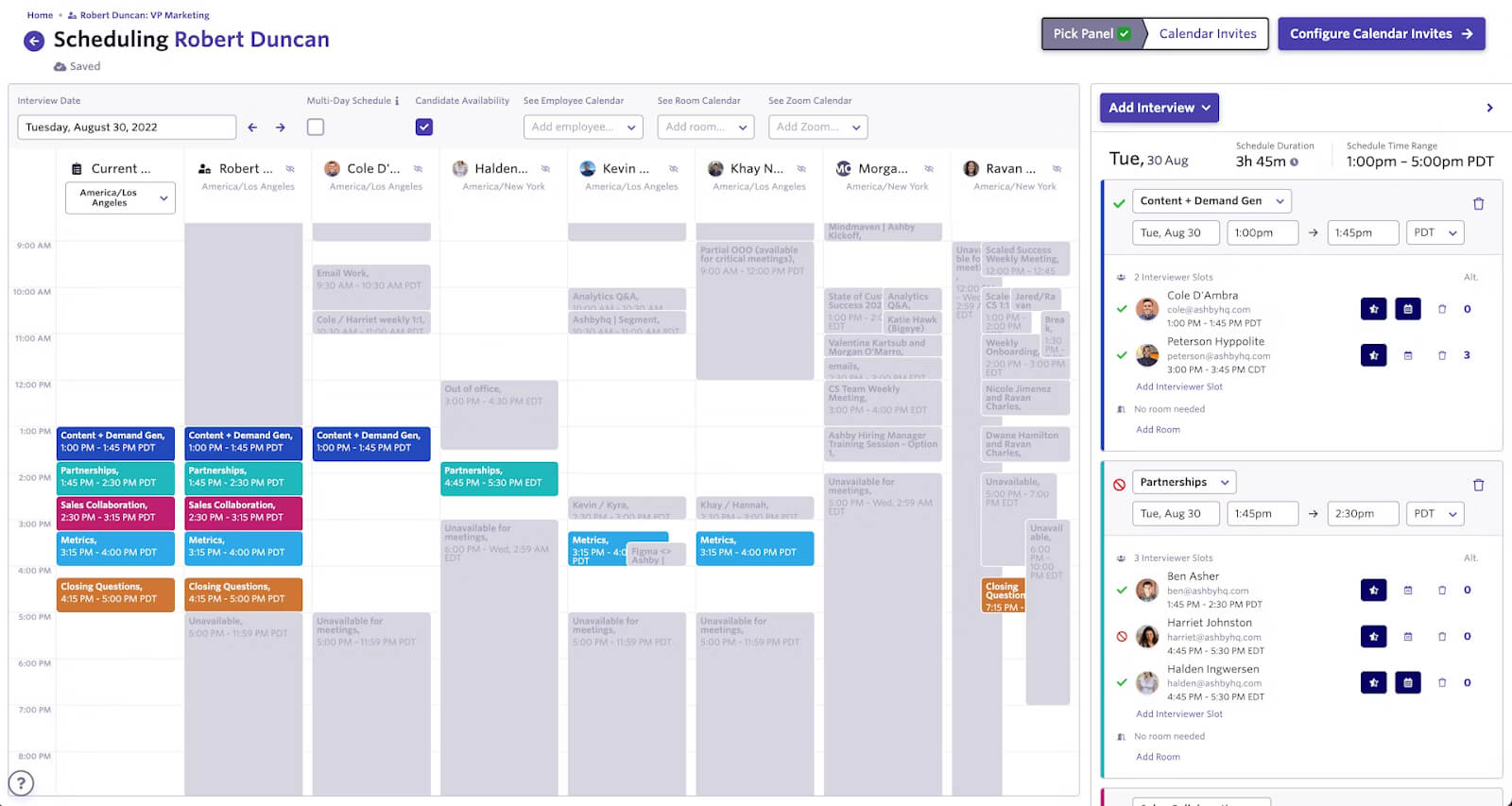
- Built-in interview scheduling: Candidates can self-schedule interviews based on interviewer availability. The system accounts for interviewer workloads and prevents conflicts, which reduces coordination effort and scheduling delays.
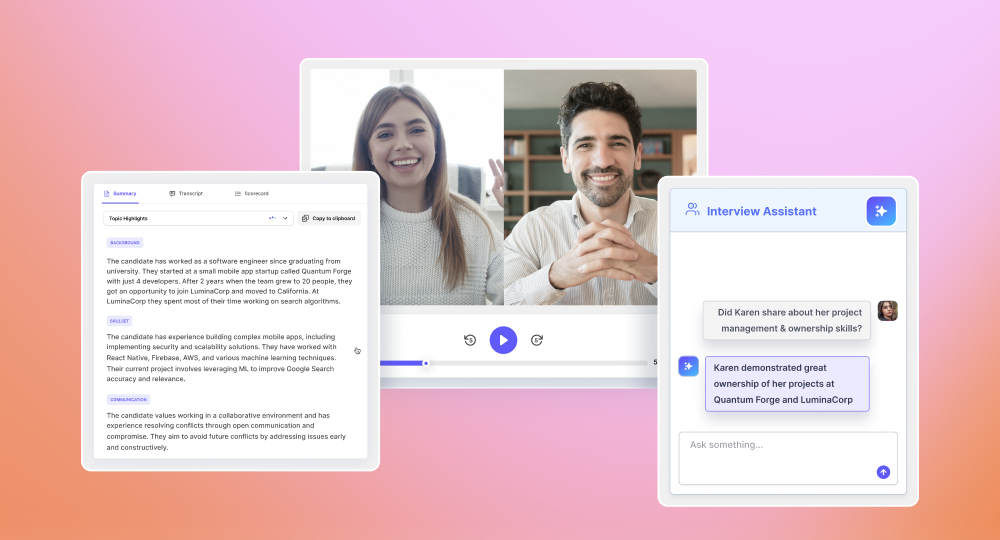
- Interview intelligence and structured feedback: Interviews are recorded, transcribed, and summarized. Scorecards can be auto-filled based on the conversation, helping teams standardize feedback and make more consistent hiring decisions.
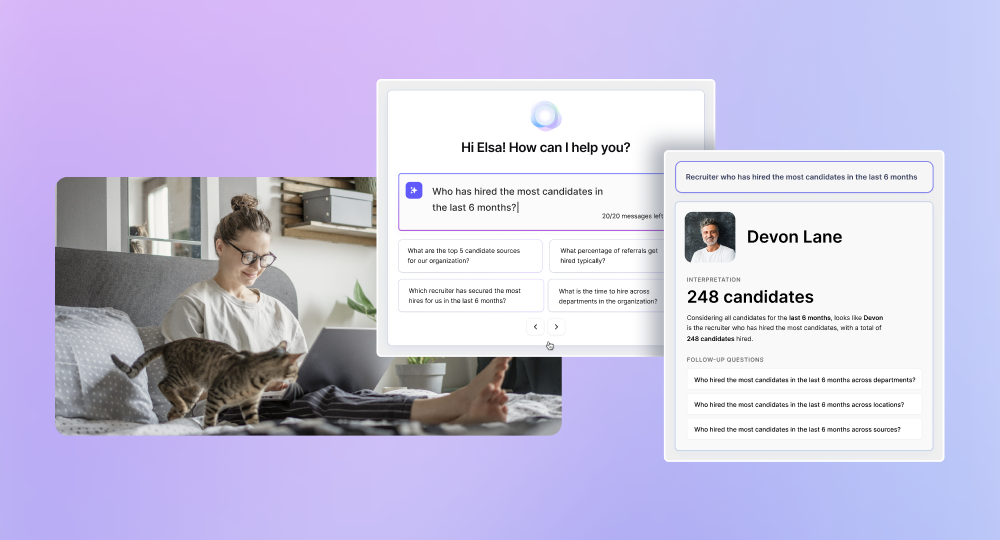
- Conversational analytics and reporting: Users can use conversational queries to get quick recruiting KPIs and data instead of building reports manually. This allows teams to quickly identify bottlenecks, track performance, and answer operational questions without exporting data.
- Automated multi-channel candidate outreach: Run personalized outreach across email and LinkedIn with automated sequences and follow-ups, while tracking all engagement directly within the candidate profile.
- Combines ATS, CRM, interview scheduling, note taking, reporting, candidate reviewing, and the full hiring process stages all into one system for recruiters and hiring managers
- Reduces dependency on third-party tools
- Integrations with DocuSign and PandaDoc for automated offer letters with templates
- Automates high-effort tasks like screening and scheduling
- Reporting faster, easier, and more customizable compared to traditional ATS platforms
- Conversational AI analytics for access to quick and specific data insights
Where Kula falls short:
- Newer platform compared to legacy ATS tools
Pricing:
- Starter plan starts at approximately $399/month
- Higher tiers are custom priced based on company size
Bottom line: Kula stands out as a strong alternative to Workable for teams that have outgrown basic hiring workflows. Where Workable starts to feel limiting, Kula brings everything into one system—from sourcing and outreach to scheduling, interview intelligence, and analytics. Instead of stitching together multiple tools or working around gaps, you get a more complete, AI-native platform that actually scales with your hiring needs.
Plus, Workable misses out on syncing interview notes and summaries with candidate profiles within the ATS. Kula is much more centralized and seamless for growing teams who want an ATS that works with multiple stakeholders.
Overall, when compared to the Workable’s pricing, you get a better value with Kula as you’ll get more ROI for what you pay.
👉Learn how you can migrate to Kula today!
2. Greenhouse
Best for: Mid-sized to enterprise companies that want structured hiring, strong analytics, and scalable workflows with built-in onboarding
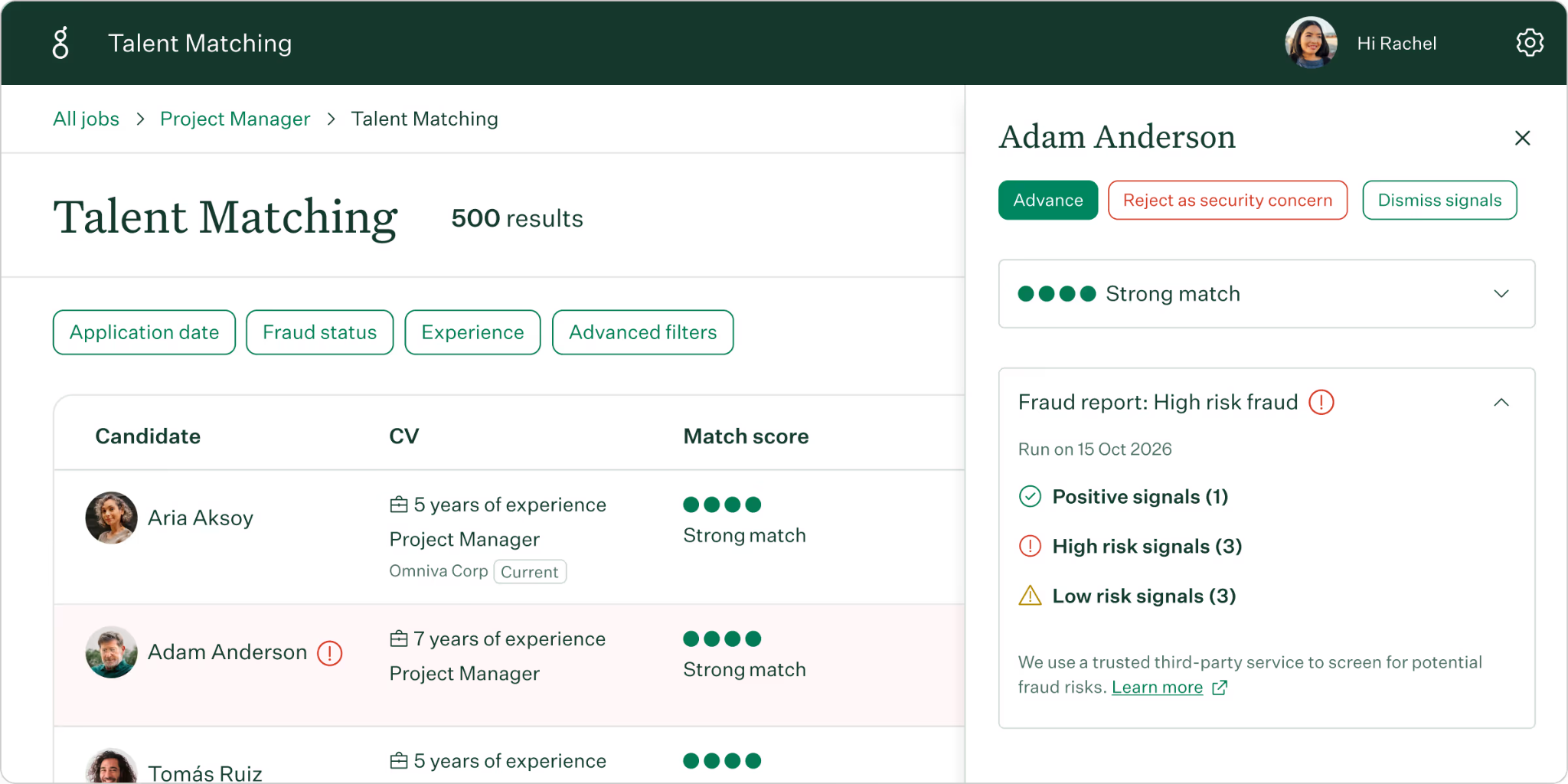
Greenhouse is one of the most well-known enterprise ATS platforms, especially among scaling and large companies that need structured, data-driven hiring.
Where Workable focuses on simplicity, Greenhouse leans heavily into structured hiring, advanced workflows, deeper analytics, and a focus on candidate experience and onboarding. Overall, it’s a strong choice for teams that have outgrown basic ATS functionality.
Why Greenhouse is a better alternative to Workable:
- Built for structured, scalable hiring: Greenhouse is designed around structured hiring frameworks, helping teams standardize interview processes, scorecards, and decision-making. This makes it far more suitable for scaling teams compared to Workable’s simpler workflows.
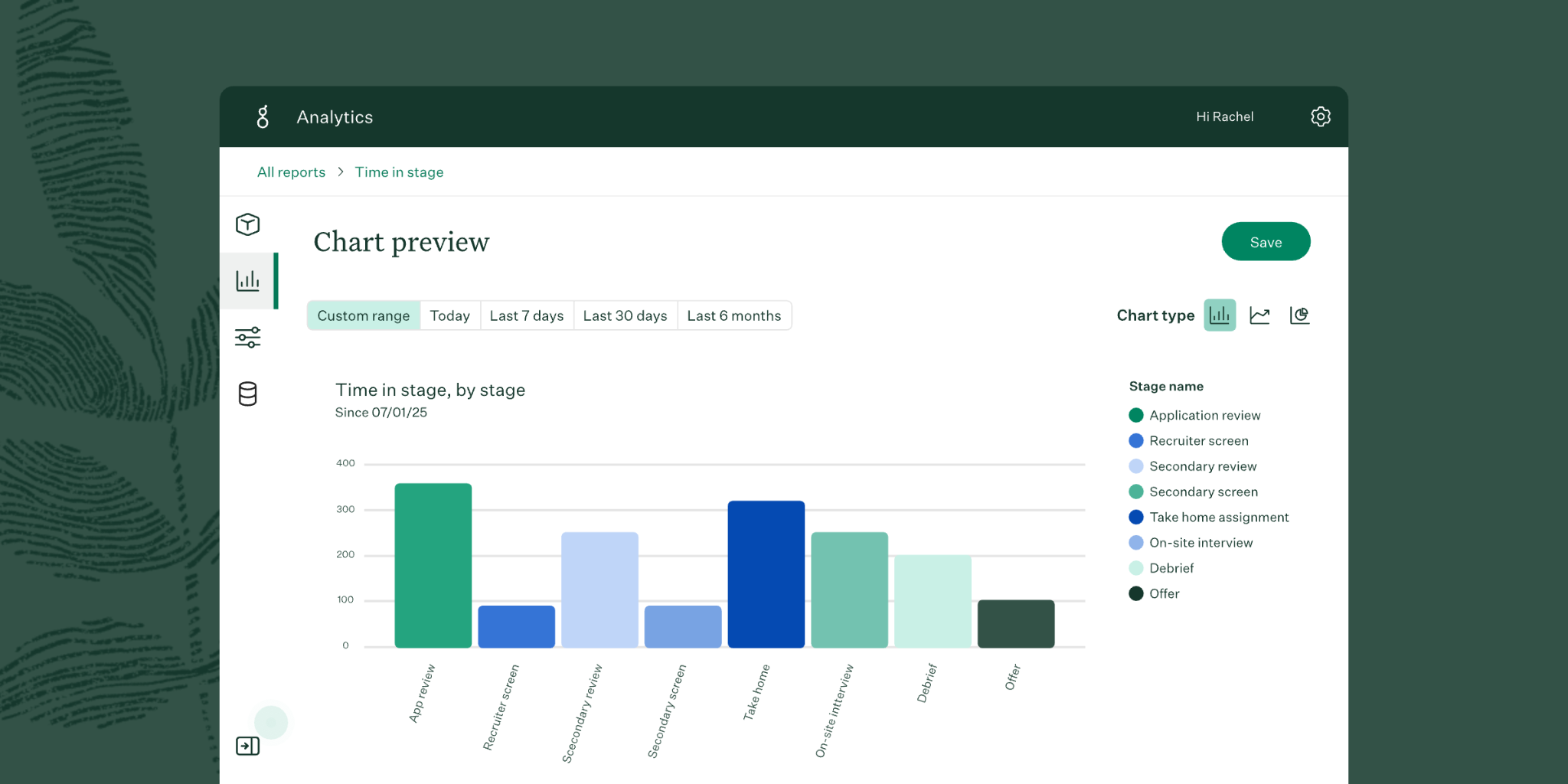
- More advanced reporting and analytics: Unlike Workable’s limited reporting, Greenhouse offers 40+ pre-built reports, advanced filtering, and custom dashboards—giving recruiting teams deeper visibility into pipeline performance, hiring velocity, and source ROI.
- Stronger interview and decision-making tools: Greenhouse goes beyond basic scheduling with structured interview kits, automated scorecards, and even AI-generated interview summaries—helping teams make more consistent and data-backed hiring decisions.
- Better customization and workflow control: From custom hiring pipelines to approval flows and permissions, Greenhouse offers significantly more flexibility than Workable—making it a better fit for complex org structures or multi-team hiring.
Where Greenhouse falls short:
- Steep learning curve and setup time: Greenhouse’s structured approach can feel overwhelming initially, especially for smaller teams. It often requires more onboarding and process alignment compared to Workable’s plug-and-play setup.
- Pricier alternative compared to Workable: Since Greenhouse is mainly built for large or enterprise level teams, it may be a pricey alternative for smaller teams.
Bottom line: Greenhouse is a clear step up from Workable if your hiring process is becoming more complex and data-driven. But it still requires multiple add-ons for sourcing and engagement—so while it solves structure and analytics, it doesn’t fully replace a modern, all-in-one recruiting stack.
It’s also built for larger or enterprise level times and can be more expensive. You’ll have to contact sales for a price quote.
→ Check out our guide to Greenhouse alternatives!
3. Lever
Best for: Mid-sized to enterprise companies that want a combination of ATS + CRM with strong sourcing, automation, and candidate engagement
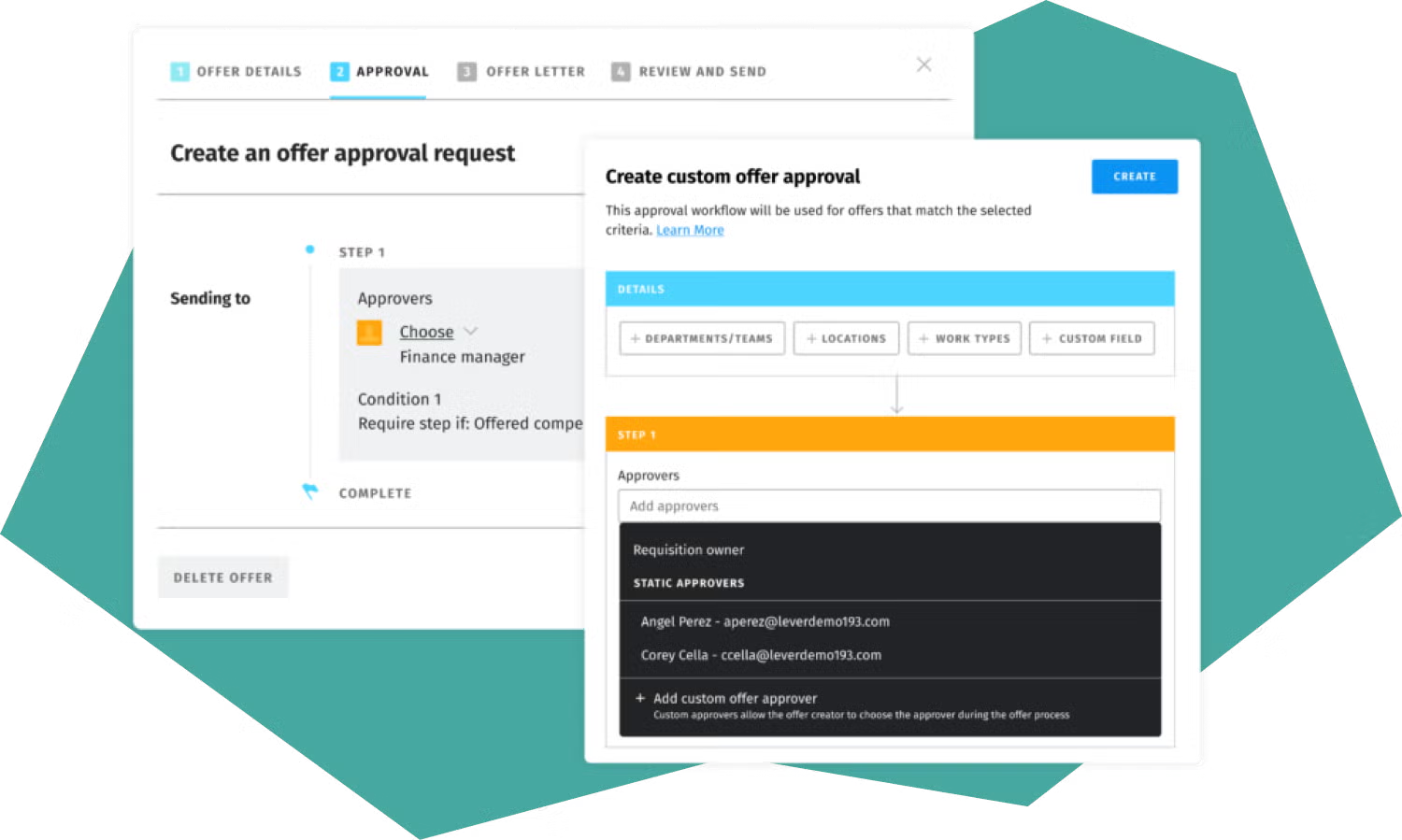
Lever is a platform that combines an ATS with built-in CRM capabilities, making it a popular choice for teams that want to go beyond just managing applicants and actively engage talent pipelines.
Where Workable focuses on inbound hiring and simplicity, Lever is built for proactive recruiting—with stronger candidate sourcing, automation, and relationship management capabilities.
Lever also offers an AI interview companion for automatic note taking and actionable insights on interview data.
Overall, it’s a solid option for teams looking to scale outbound hiring and nurture candidates over time.
Why Lever is a better alternative to Workable:
- More than just an ATS (built-in CRM): Lever combines ATS + CRM in one platform, allowing recruiters to nurture candidate relationships, track interactions, and build long-term talent pipelines—something Workable lacks.
- Stronger sourcing and candidate engagement: Lever enables multi-channel sourcing, LinkedIn integrations, and candidate rediscovery—helping teams reach passive candidates and not just rely on inbound applications.
- Better workflows and automation: Lever supports custom workflows, automation, and scalable configurations, making it more adaptable for growing teams compared to Workable’s rigid workflows.
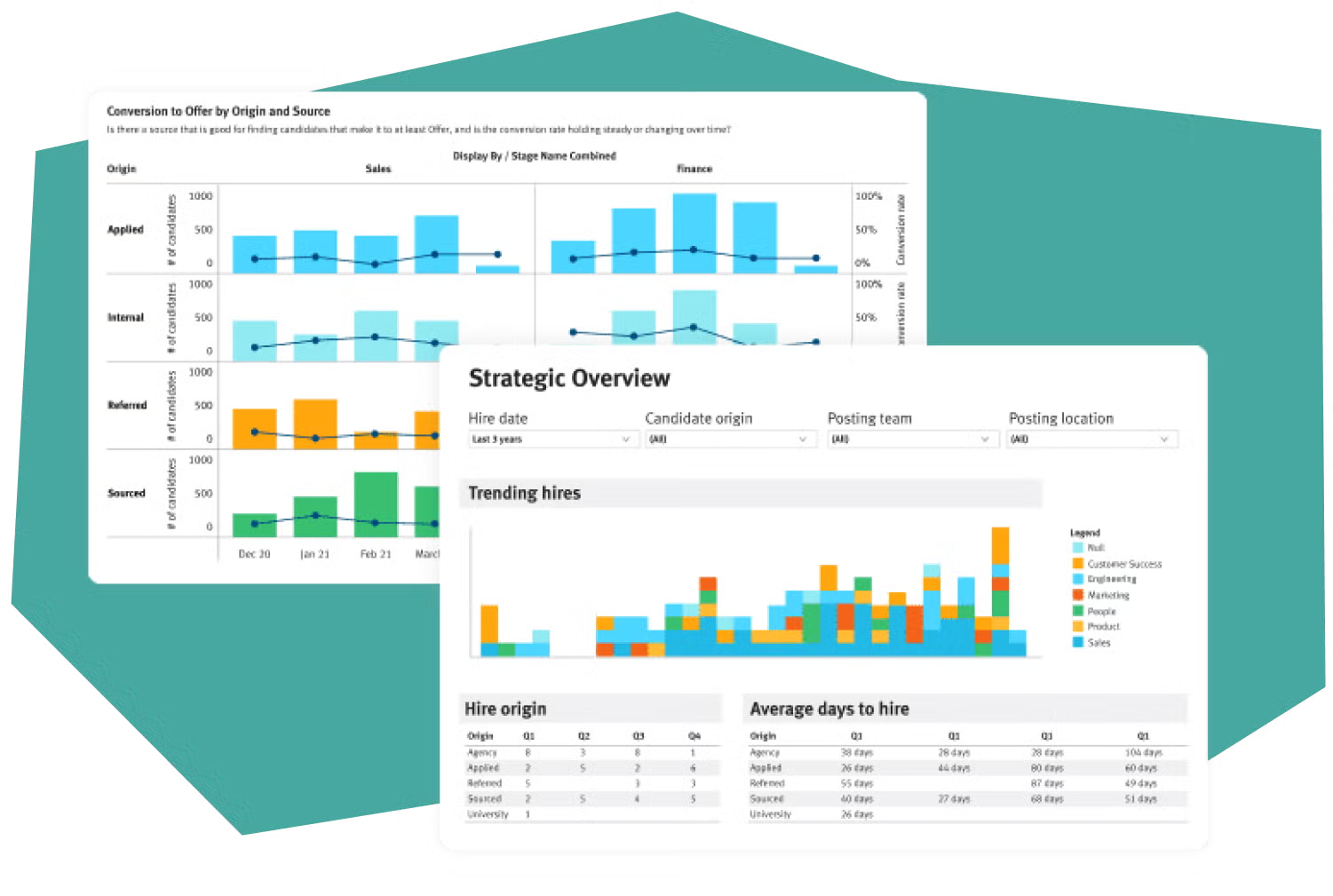
- More advanced analytics and pipeline visibility: Lever offers visual dashboards, source tracking, and pipeline insights, giving teams a clearer view of hiring performance compared to Workable’s more basic reporting.
- Stronger integrations ecosystem: With 300+ integrations, Lever makes it easier to connect your hiring stack without workarounds—something users often struggle with in Workable.
Where Lever falls short:
- Can get complex for smaller teams: With ATS + CRM combined, Lever can feel overwhelming for teams that just want a simple hiring tool like Workable.
- Pricing is not transparent: Lever follows custom pricing, which can make it harder for teams to evaluate costs upfront compared to Workable’s more straightforward pricing tiers.
Bottom line: Lever is a strong alternative to Workable if your hiring strategy relies heavily on sourcing and candidate engagement rather than just inbound applications. It gives you more flexibility, automation, and pipeline visibility.
But it still requires add-ons for features that can match a fully unified, AI-driven recruiting platform—making it a pricier option.
Like Greenhouse, it’s better suited for scaling teams and may be more expensive, with pricing available only through demos.
→ Looking for Lever alternatives? Check out our guide here!
4. Ashby
Best for: Companies that want an all-in-one recruiting platform with strong analytics, automation, and scalability
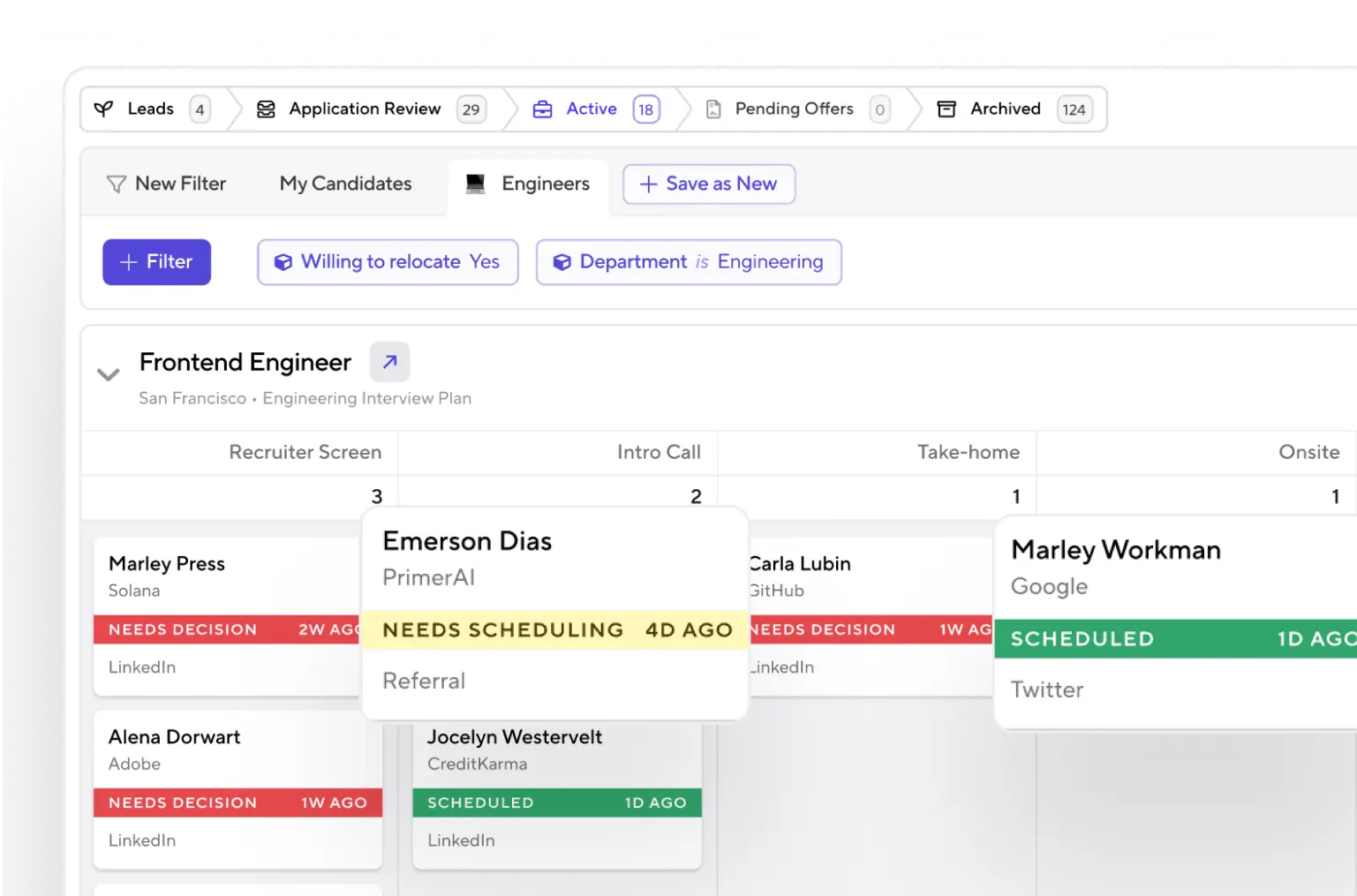
Ashby is a modern, all-in-one recruiting platform that combines ATS, CRM, sourcing, scheduling, and analytics into a single system.
Where Workable focuses on simplicity and inbound hiring, Ashby is built for teams that want more control, deeper insights, and the ability to scale without adding multiple tools. Overall, it’s a strong option for companies looking to consolidate their recruiting stack early.
Why Ashby is a better alternative to Workable:
- All-in-one recruiting platform (ATS + CRM + analytics): Ashby brings sourcing, outreach, scheduling, analytics, and applicant tracking into one system—eliminating the need for multiple tools and reducing manual handoffs.
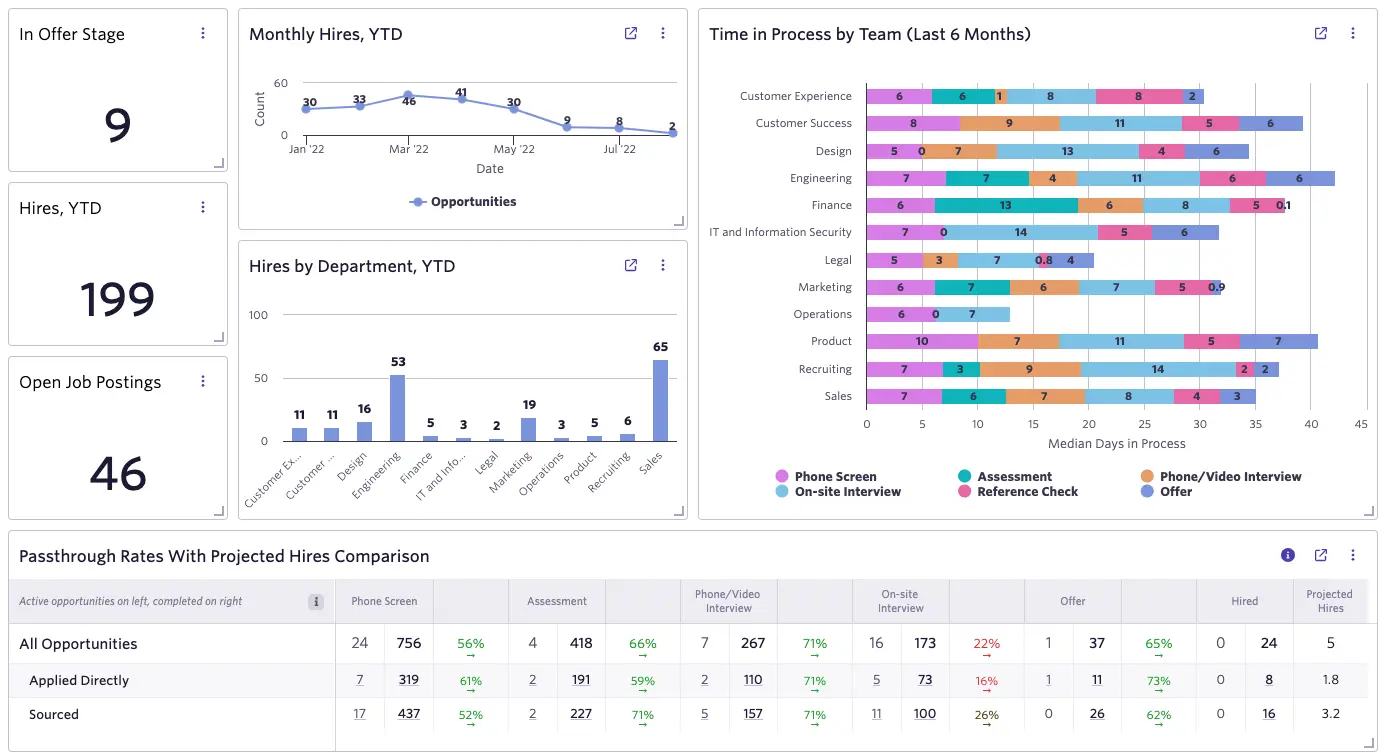
- Much more powerful analytics and reporting: Ashby’s analytics are one of its biggest differentiators, with customizable dashboards, deep filtering, and the ability to drill down into any metric across the funnel.
- Stronger automation across the hiring process: From automated interview scheduling to outreach sequences and alerts, Ashby helps reduce manual work and keeps hiring processes moving efficiently.
- Built to scale with growing teams: Unlike many startup-friendly tools, Ashby is designed to grow with your team—offering advanced workflows, role-based access, and the ability to handle complex hiring needs as you scale.
- Better visibility across the entire funnel: With features like pipeline tracking, candidate activity views, and real-time updates, teams can stay on top of every stage without losing candidate momentum.
Where Ashby falls short:
- Can feel overwhelming for smaller teams initially: With so many features packed into one platform, Ashby can take time to set up and fully utilize compared to Workable’s simpler interface.
Bottom line: Ashby is one of the strongest alternatives to Workable if you’re looking to move beyond a basic ATS and adopt a more complete, data-driven recruiting system. It combines multiple tools into one platform and scales well with growing teams. But it comes with a learning curve.
It’s especially well-suited for startups and scaling companies that want to build a strong recruiting foundation early, without constantly switching tools later.
→ Check out our guide to Ashby alternatives!
5. Screenloop
Best for: Teams that want an AI-first ATS with strong interview intelligence, automation, and built-in analytics
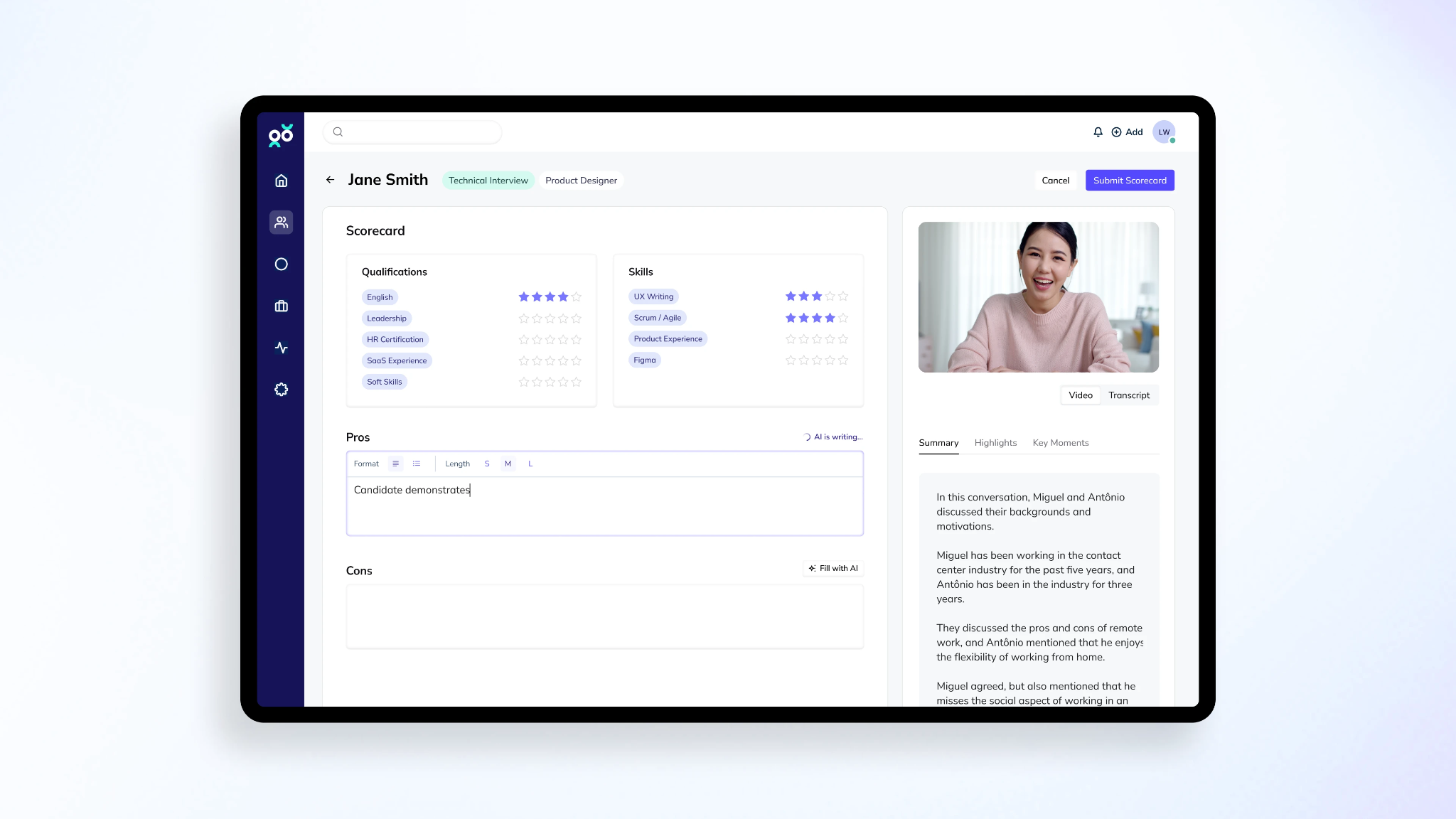
Screenloop is a modern, AI-powered ATS that goes beyond traditional applicant tracking by combining interview intelligence, automation, and analytics into one platform.
Where Workable focuses on basic hiring workflows, Screenloop is built to help teams make faster, more data-driven hiring decisions, especially during interviews and evaluation stages.
Overall, it’s a strong option for teams that want to reduce manual work and improve hiring quality with AI.
Why Screenloop is a better alternative to Workable:
- AI-powered interview intelligence: Screenloop’s AI notetaker captures interviews, generates structured feedback, and helps complete scorecards, making evaluations faster and more consistent.
- Stronger automation across hiring workflows: From automated scheduling to candidate communication and task assignments, Screenloop reduces manual coordination and keeps hiring moving efficiently.
- More advanced analytics and insights: Screenloop provides real-time dashboards, hiring metrics, and performance insights so teams track everything from time-to-hire to candidate experience.
- All-in-one platform beyond ATS: It combines ATS, interview intelligence, reference checks, background screening, and training tools, reducing the need for multiple tools in your stack.
- Better candidate experience and faster decisions: With features like self-scheduling, feedback loops, and streamlined workflows, Screenloop helps reduce delays and improve the overall hiring experience.
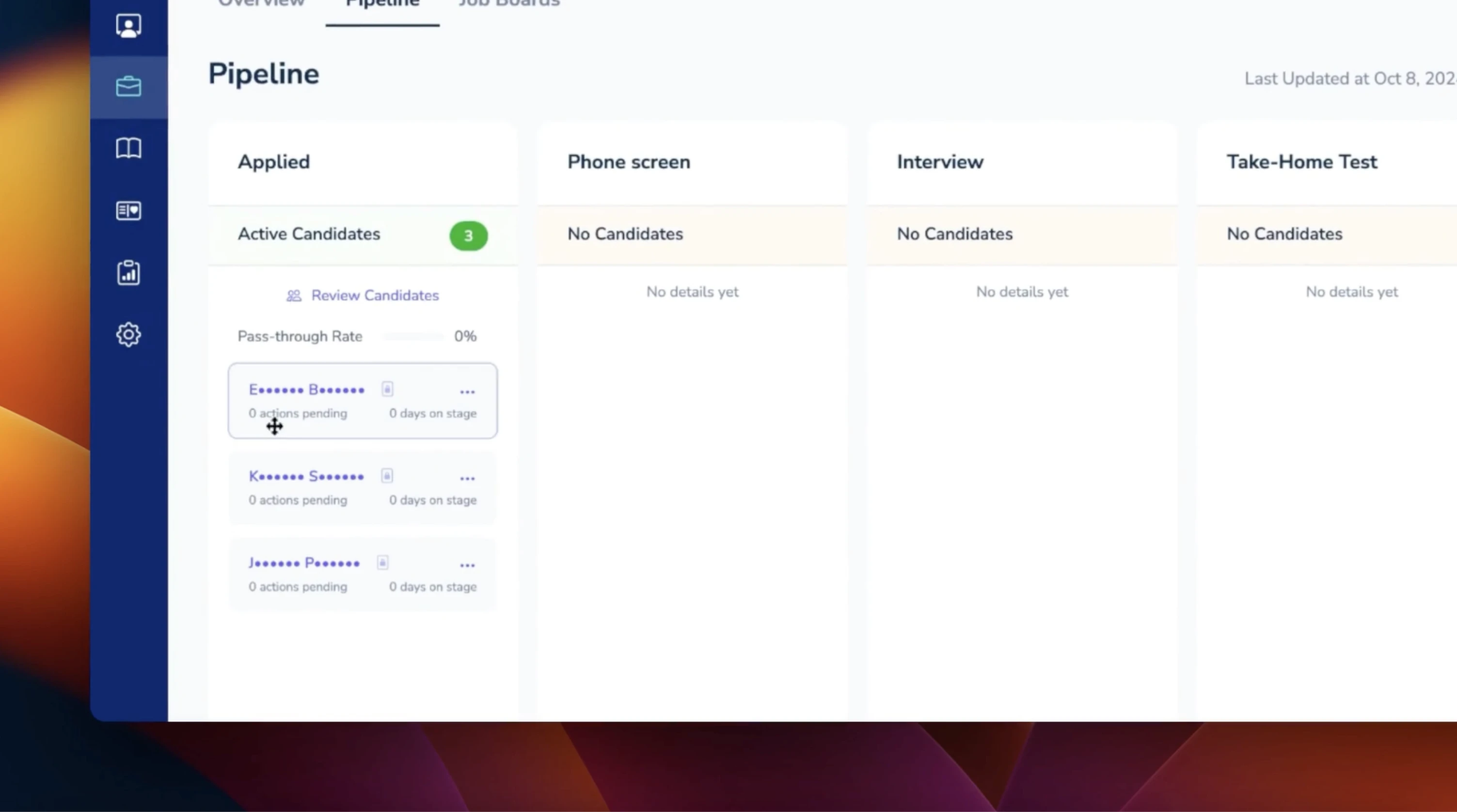
Where Screenloop falls short:
- Relatively newer platform: Compared to more established ATS tools, Screenloop is still evolving and may not have the same level of maturity or ecosystem depth.
- May be overkill for simple hiring needs: Teams with low hiring volume or straightforward workflows might not fully utilize its AI and advanced features.
- Limited customization compared to enterprise tools: While flexible, it may not match the deep configurability of platforms like Greenhouse for highly complex org structures.
Bottom line: Screenloop is a strong alternative to Workable for teams that want to bring AI into their hiring process—especially in interviews, evaluation, and decision-making. It helps reduce manual work and improve hiring quality, but may not be the best fit for teams looking for a simple, lightweight ATS.
It’s best suited for scaling teams that want smarter automation and deeper insights without stitching together multiple tools.
6. Zoho Recruit (free plan available)
Best for: Small to mid-sized teams and staffing agencies looking for a budget-friendly ATS with solid customization and a free plan
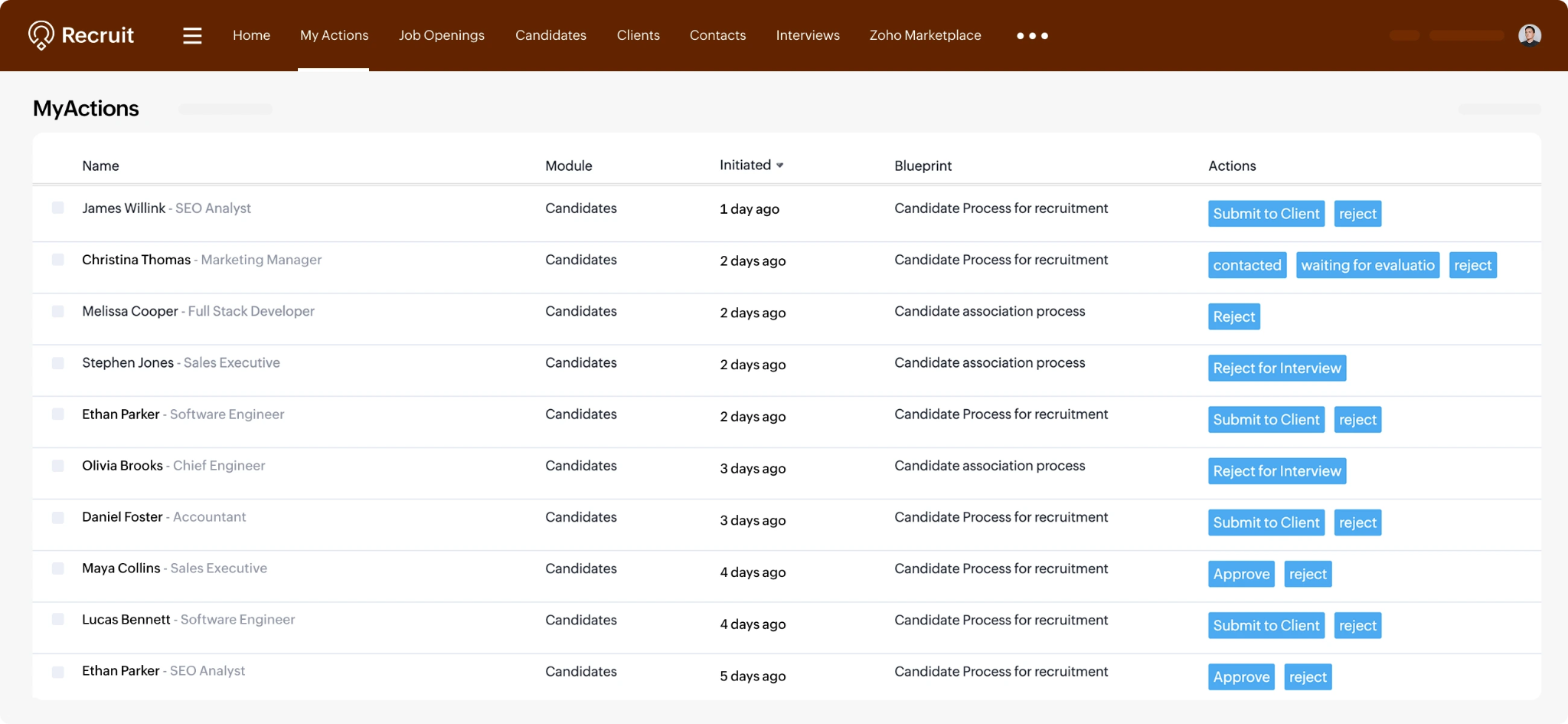
Zoho Recruit is a flexible ATS designed for both in-house teams and recruitment agencies, offering a wide range of features across sourcing, automation, and candidate management.
Where Workable focuses on ease of use, Zoho Recruit stands out for its affordability and customization—making it a strong option for teams that want more control without a high upfront cost. Overall, it’s a practical choice for teams that need a functional ATS without committing to expensive tools early on.
Why Zoho Recruit is a better alternative to Workable:
- Free plan available: Zoho Recruit offers a forever-free plan for a single recruiter with basic hiring features, making it one of the most accessible ATS options for startups or small teams.
- Strong customization and flexibility: From custom fields and modules to workflow automation and blueprint-based processes, Zoho Recruit allows teams to tailor the system to their exact hiring needs.
- Built-in automation across workflows: Features like automated emails, interview scheduling, approval workflows, and task triggers help reduce repetitive work and keep hiring processes moving.
- Good range of features across the funnel: Zoho Recruit covers sourcing, applicant tracking, communication, assessments, and onboarding, making it a well-rounded platform for teams that want everything in one place.
- Affordable scaling compared to competitors: Even paid plans are relatively cost-effective compared to tools like Greenhouse or Lever, making it easier for teams to scale without a steep pricing jump.
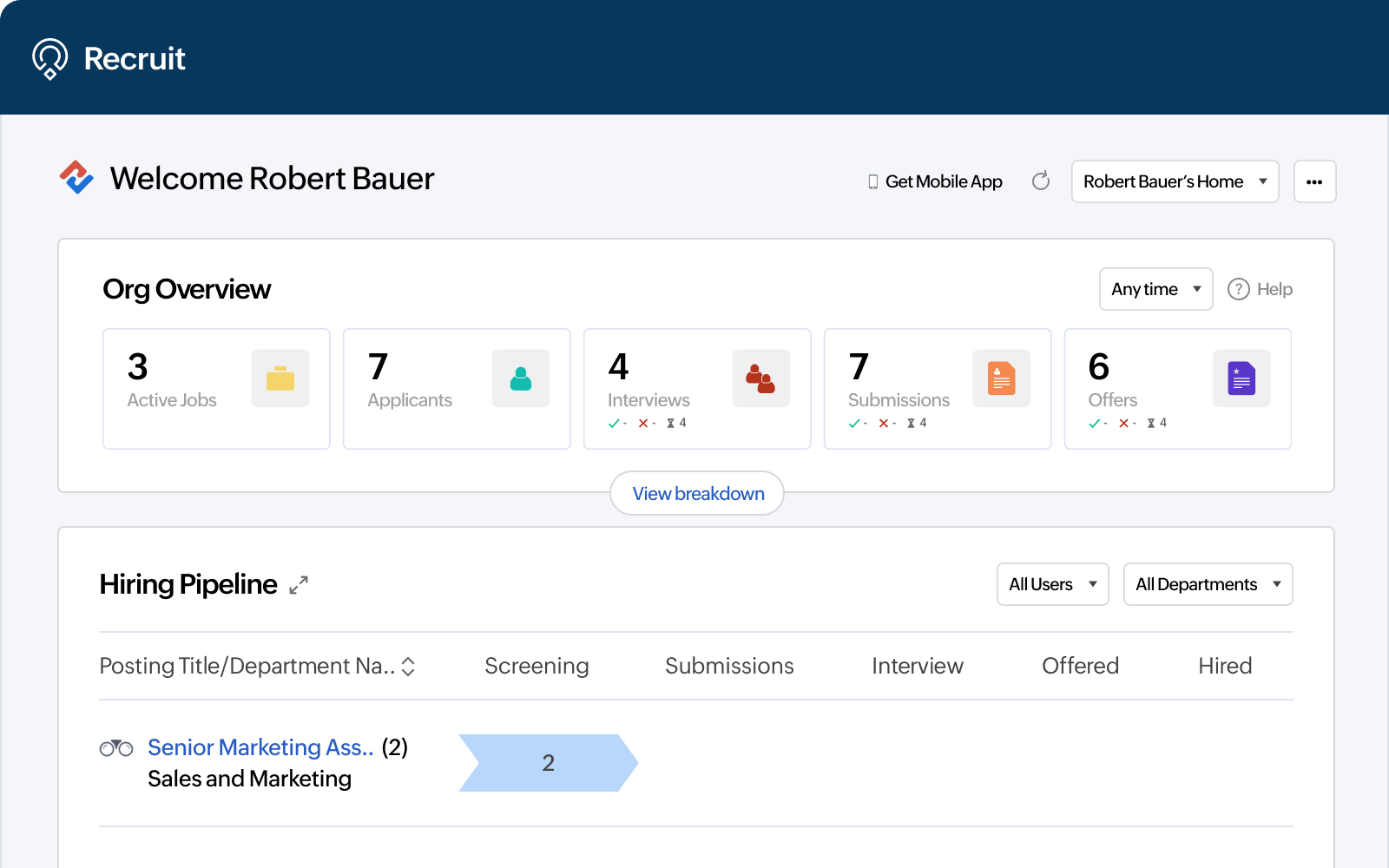
Where Zoho Recruit falls short:
- AI capabilities are not as advanced: While it offers AI features like candidate matching and chatbots, they are not as deeply integrated or accurate as newer AI-first recruiting tools.
- Can get complex with customization: While flexibility is a strength, setting up workflows, automations, and modules can become overwhelming without proper setup or support.
Bottom line: Zoho Recruit is a strong alternative to Workable for teams that prioritize affordability and flexibility, especially with its free plan and customizable workflows. It gives you more control over your hiring process without a high upfront cost, but comes with trade-offs in usability and advanced AI capabilities.
It’s best suited for smaller teams or agencies that want a budget-friendly ATS and are willing to spend some time setting it up properly.
7. Recooty
Best for: Small businesses and startups looking for a simple, AI-powered ATS with affordable pricing and quick setup
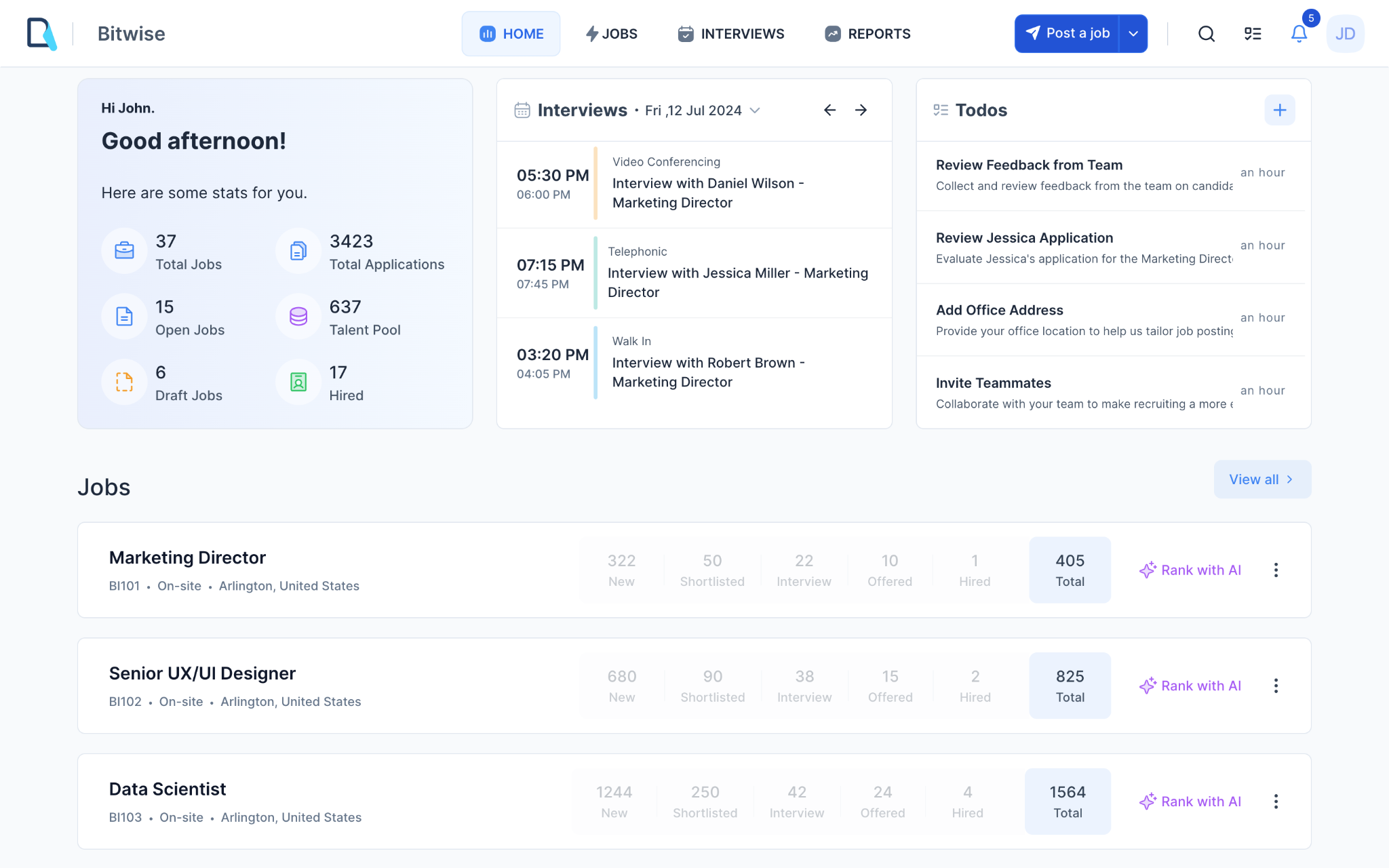
Recooty is a lightweight ATS designed for small teams that want to streamline hiring without dealing with complex systems or high costs.
Where Workable focuses on usability for growing teams, Recooty leans more toward simplicity and affordability—making it a practical option for early-stage companies or businesses with occasional hiring needs. Overall, it’s a decent entry-level alternative for teams that want to get started quickly.
Why Recooty is a better alternative to Workable:
- Free trial with no credit card required: Recooty offers a 15-day free trial, making it easy for teams to test the platform before committing.
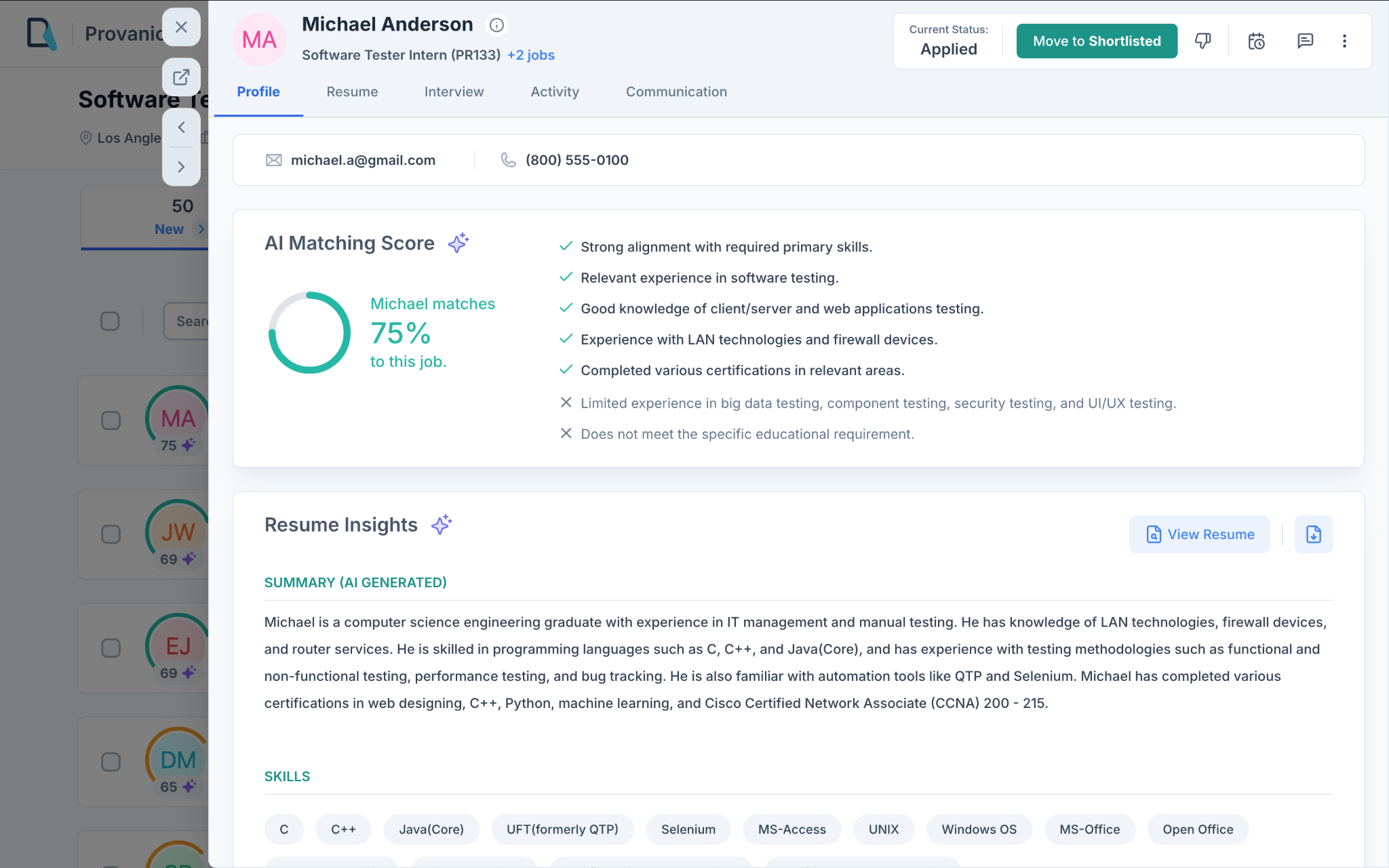
- AI-powered hiring features for small teams: Recooty includes AI resume parsing, candidate matching, and even an AI interviewer that can conduct automated interviews and generate evaluation reports.
- Simple and quick to set up: The platform is designed for ease of use, allowing teams to post jobs, manage candidates, and track pipelines without heavy onboarding or training.
- Good range of features at a lower price point: With features like job posting to 200+ boards, interview scheduling, and pipeline management, Recooty covers the basics at a more affordable price compared to Workable.
- Basic reporting and visibility into hiring: Recooty offers dashboards that track pipeline stages, hiring velocity, and source performance—helping teams identify bottlenecks and improve hiring efficiency.
Where Recooty falls short:
- Limited scalability for growing teams: While it works well for small teams, Recooty may not support complex workflows, multiple stakeholders, or high-volume hiring as effectively as more robust ATS platforms.
- Less advanced customization and integrations: Compared to tools like Greenhouse or Ashby, Recooty offers fewer options for deep customization or integrating with a broader hiring stack.
- AI capabilities are still evolving: While it offers AI features, they may not be as accurate or deeply embedded as more advanced, AI-first recruiting platforms.
Bottom line: Recooty is a solid alternative to Workable for small teams that want an affordable, easy-to-use ATS with basic AI features and a risk-free trial. It covers the essentials well and is quick to get started with.
It’s an ATS for small businesses or startups with low to moderate hiring volume that prioritize simplicity and cost over advanced functionality.
How to choose a Workable alternative for your hiring needs
Choosing a Workable alternative isn’t really about comparing features. You need to identify where your hiring system starts to break as your team grows.
For some teams, that breakdown shows up as coordination issues. For others, it’s poor visibility, inconsistent decisions, or too much manual work. The key is to map your actual bottleneck to the kind of system that solves it.
Here’s a more practical way to evaluate your options for successful ATS implementation:
1. If your hiring gets harder to manage as you scale
As soon as you move beyond a few open roles, hiring becomes less about tracking candidates and more about managing complexity—multiple stakeholders, interview loops, approvals, and cross-team alignment.
At this stage, you need structure, not just simplicity.
What this usually looks like:
- Hiring managers following different processes
- Feedback coming in late or inconsistently
- Difficulty maintaining quality across roles
What to look for:
- Structured workflows and approval layers
- Standardized interview kits and scorecards
- Clear ownership across stages
For this scenario, the best ATS for your needs is:
- Greenhouse for structured, process-driven hiring
- Kula so you can easily involve multiple stakeholders and keep data centralized
2. If your data isn’t helping you make better decisions
A common issue is having data—but not being able to use it. You’re tracking candidates, but still relying on gut feel because reporting isn’t deep or flexible enough.
At that point, your ATS is recording activity, not driving decisions.
What this usually looks like:
- Exporting data into spreadsheets to analyze
- No clear visibility into funnel drop-offs
- Limited insight into source performance or hiring velocity
What to look for:
- Drill-down reporting across every stage of the funnel
- Custom dashboards and real-time insights
- Ability to track metrics like conversion rates and bottlenecks
Best fit:
- Ashby for deep, flexible analytics
- Greenhouse for structured reporting
- Kula for unified visibility across the entire hiring funnel and AI-powered conversational analytics for quick insights
3. If recruiters are spending too much time on manual work
When recruiters spend more time coordinating than actually hiring, the system is slowing you down. This is where automation becomes critical—but not all automation is equal.
What this usually looks like:
- Manual resume screening and shortlisting
- Back-and-forth scheduling for interviews
- Constant follow-ups for feedback
What to look for:
- Automated scheduling and reminders
- AI-assisted screening and evaluation
- Workflow automation across stages (not just isolated features)
Best fit:
- Kula for end-to-end automation across workflows
- Screenloop for interview intelligence and evaluation automation
4. If sourcing and outbound hiring are becoming a priority
Workable works best for inbound hiring. But if your team is increasingly relying on outbound sourcing, you’ll quickly feel the lack of CRM capabilities.
At this point, you need a system that helps you build and nurture pipelines, not just manage applicants.
What this usually looks like:
- Recruiters tracking candidates outside the ATS
- No visibility into outreach or engagement
- Difficulty re-engaging past candidates
What to look for:
- Built-in CRM and candidate engagement tracking
- Outreach automation and sequencing
- Candidate rediscovery and pipeline management
Best fit:
- Lever for ATS + CRM functionality
- Kula for a more integrated sourcing + engagement + ATS system
5. If cost and ease of setup matter more than advanced features
Not every team needs a complex system. If your hiring is still relatively low-volume, the priority is usually speed, simplicity, and cost.
What this usually looks like:
- Hiring in bursts rather than continuously
- Small team with limited resources
- Need to get started quickly without heavy onboarding
What to look for:
- Free plans or low-cost entry points
- Simple setup and minimal training required
- Core ATS functionality without unnecessary complexity
Best fit:
- Zoho Recruit for affordability and a free plan
- Recooty for a quick setup and 15-day free trial
6. If you want to avoid switching tools again in 6–12 months
This is where most teams make the wrong decision—they optimize for today, not for where hiring is going.
If your team is growing, your hiring will likely become:
- More data-driven
- More collaborative
- More automated
Choosing a tool that can’t support that shift leads to another migration sooner than expected.
What to look for:
- Scalability across hiring volume and team size
- Flexibility in workflows and reporting
- Built-in capabilities that reduce the need for additional tools
Best fit:
- Kula for an AI-first and all-in-one centralized, end-to-end system
- Ashby for long-term flexibility and scalability
Bottom line: The right Workable alternative depends on where your hiring system is breaking:
- If complexity is the issue → prioritize structure (Greenhouse, Ashby)
- If visibility is the issue → prioritize analytics (Ashby, Kula)
- If manual work is the issue → prioritize automation (Kula, Screenloop)
- If sourcing is the issue → prioritize CRM (Lever, Kula)
- If cost is the issue → prioritize simplicity (Zoho Recruit, Recooty)
Most teams don’t switch because Workable is bad—they switch because it stops keeping up. The goal is to choose a system that continues to support your hiring as it evolves, not just one that solves today’s problems.
If you’re looking for an applicant tracking system that keeps up with your needs, and scales for future hiring and advancements, book a demo with Kula to see it in action!

Yes, Workable is an ATS (Applicant Tracking System). It's part of an all-in-one HR platform for small to mid-sized companies. It helps businesses manage the entire recruitment process, from job posting and candidate sourcing to interview scheduling and hiring with features like AI sourcing, pipeline automation, and collaboration tools.
Yes, Workable uses AI, but with limitations. It offers AI-powered tools for candidate sourcing, matching, and automation. However, these features are still evolving. Some users report that the AI occasionally misses qualified candidates or gives inaccurate ratings, indicating room for improvement in its AI capabilities.
When exploring Workable alternatives, focus on platforms that offer: Better scalability for high-volume hiring and complex organizational structures, better customization of workflows, pipelines, and candidate experiences, more mature and reliable AI for smarter sourcing and ranking, and integrations with payroll systems, HRIS, calendars, and communication tools.
Not really. Workable is ideal for small to mid-sized businesses with simpler hiring needs. For fast-growing startups or agencies managing high volumes and complex workflows, alternatives like Kula or Greenhouse offer better scalability and customization.
Kula is a strong contender. It offers an intuitive interface, advanced AI, easy setup, and visual hiring workflows—ideal for small teams that want speed and accuracy in hiring. Another good option is Screenloop (for interview intelligence) and Ashby (for customizable workflows).