




If JazzHR is starting to feel too limited for the way your team hires today, you’re not alone.
Many growing teams switch from JazzHR when hiring workflows become harder to manage across sourcing, scheduling, reporting, and recruiter coordination.
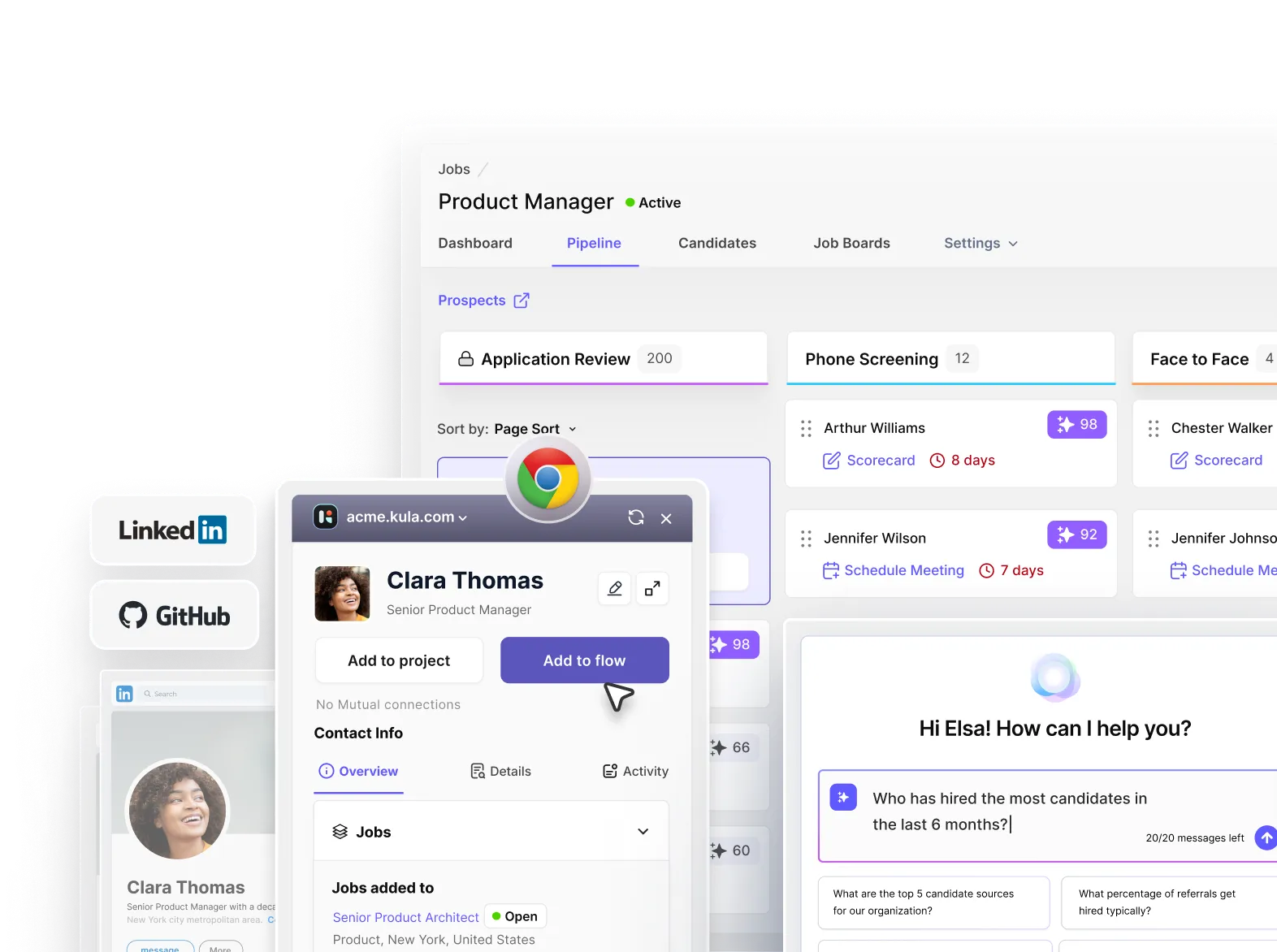
We compared the best JazzHR alternatives for different hiring needs, team sizes, and recruiting workflows, so you can figure out which platform actually fits your team best.
Why recruiters are looking for a JazzHR alternative
After going through dozens of JazzHR reviews across G2, Capterra, Reddit threads, YouTube reviews, and recruiter discussions on LinkedIn, a clear pattern started showing up.
Most recruiters don’t necessarily dislike JazzHR. In fact, many users consistently describe it as easy to use, intuitive, and quick to implement for smaller teams.
The problem is that many teams eventually outgrow it.
Here are some of the most common reasons recruiters start looking for JazzHR alternatives:
1. Too basic for growing teams and limited features
JazzHR works well for companies with simpler hiring workflows. But once hiring volume increases, many recruiters say the platform starts feeling too lightweight.
Across G2 reviews alone, we found 30+ users mentioning limitations around scalability, workflow depth, automation, and overall flexibility for larger or fast-growing teams.
A common theme we noticed was that JazzHR handles core applicant tracking system functionalities well, but struggles once recruiting operations become more complex across sourcing, scheduling, collaboration, reporting, and recruiter coordination.
Several reviewers also mentioned needing additional tools outside JazzHR to manage workflows more efficiently, especially for analytics, sourcing automation, and interview management.
We saw a Reddit user under a thread in r/recruiting describing JazzHR as “basic, at best,” while also mentioning inconsistent support and account management changes during their experience.

3. Limited customization
Many recruiters liked JazzHR’s clean and simple interface initially. But teams with more structured or specialized hiring processes often mentioned hitting limitations once workflows became more detailed.
We saw repeated feedback around:
- Limited workflow flexibility
- Restricted interview customization
- Rigid permissions and notifications
- Difficulty adapting workflows for larger recruiting teams
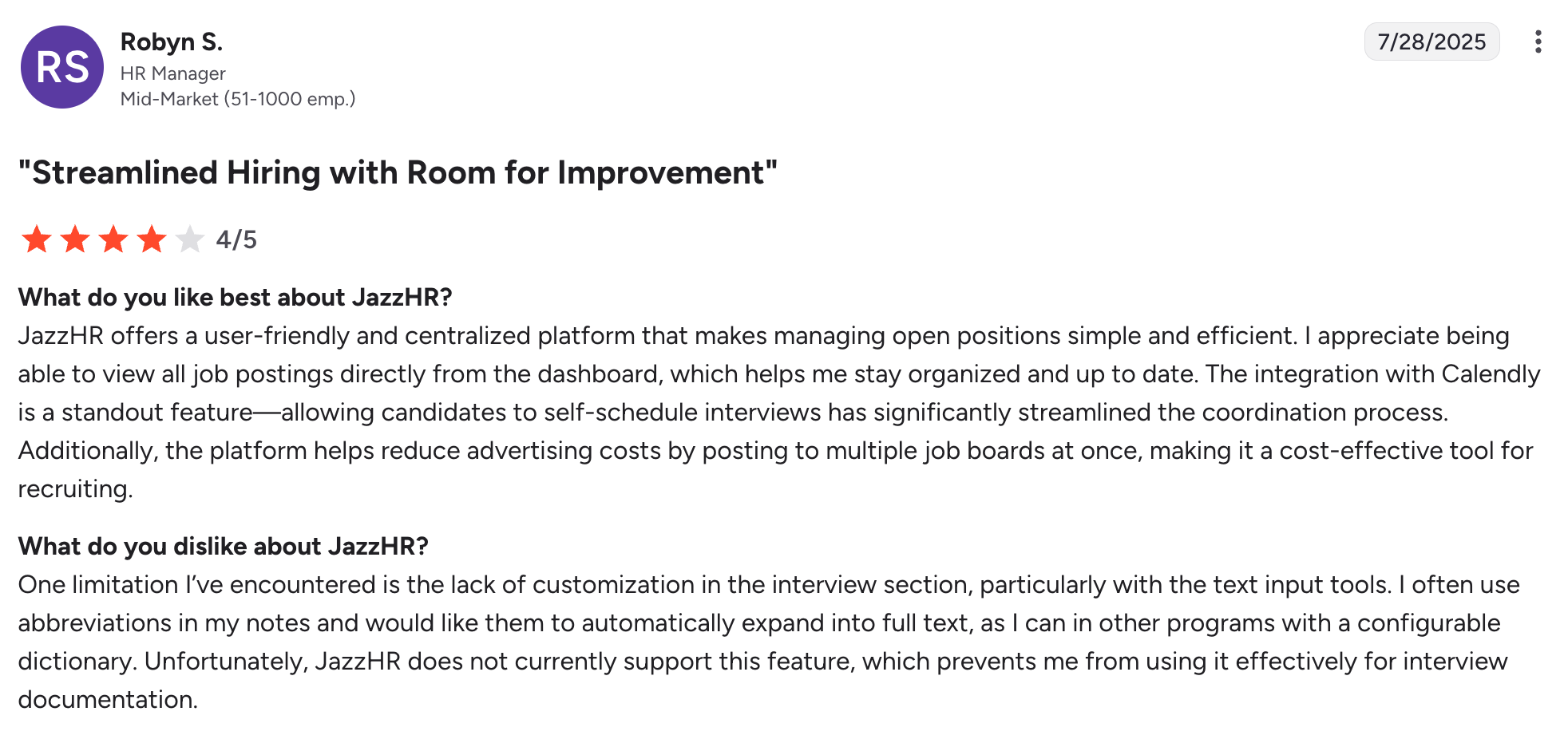
One mid-market HR manager specifically mentioned frustration around interview documentation workflows and the inability to customize note-taking inputs more deeply for their team’s process.
This becomes a bigger issue for companies managing multiple hiring stakeholders, complex interview loops, or highly customized recruiting operations.
4. Limitations in reporting and insights
Reporting limitations came up constantly across reviews.
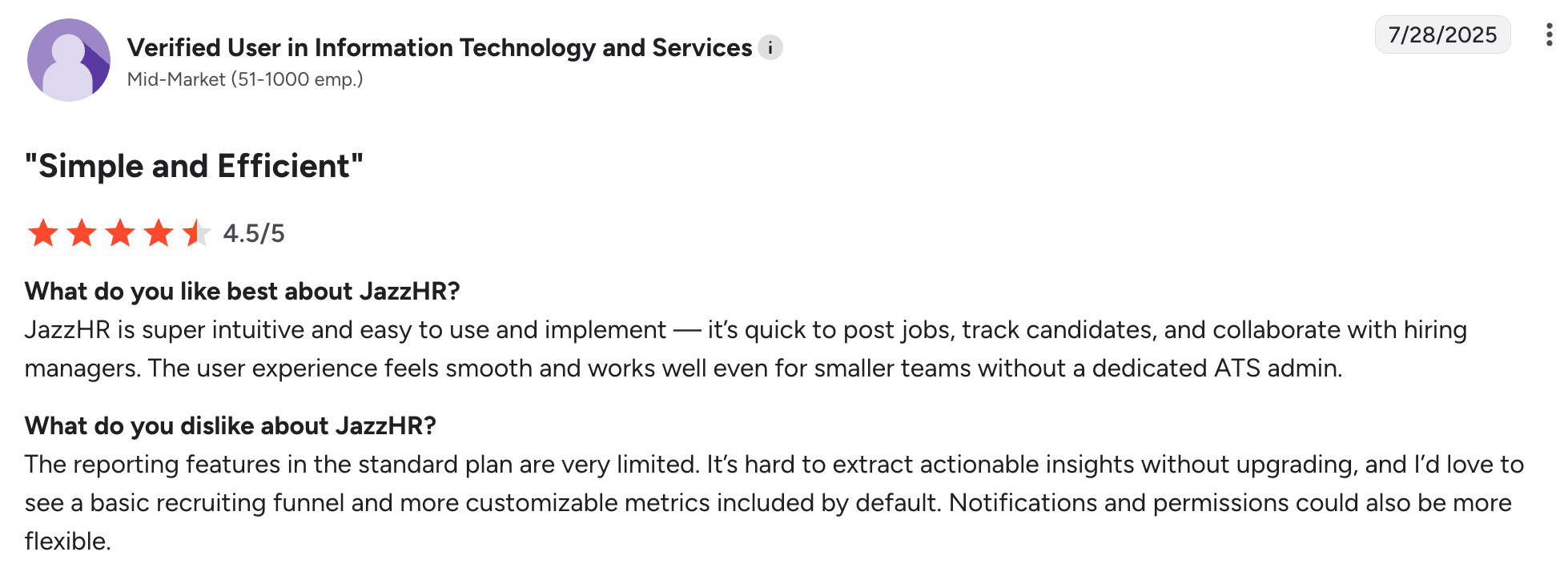
We found 25+ reviewers across G2 and Capterra mentioning that JazzHR’s analytics felt too limited without upgrading to higher-tier plans.
Several users said it was difficult to extract actionable recruiting insights or build customizable reports without relying on spreadsheets or external tools.
For smaller teams, the basic reporting may be enough. But for recruiting leaders tracking funnel conversion rates, hiring velocity, source performance, recruiter productivity, or stakeholder reporting, the analytics layer often becomes a bottleneck pretty quickly.
A few reviewers also mentioned that permissions, notifications, and reporting visibility became harder to manage as more stakeholders got involved in hiring.
How we evaluated the best JazzHR alternatives
To build this list, we didn’t just compare feature pages or rely on vendor claims.
In collaboration with Kula’s in-house recruiting and sales teams (to understand what buyers are looking for), we evaluated these JazzHR alternatives based on how recruiting teams actually use them.
From across sourcing, pipeline management, scheduling, collaboration, reporting, to AI functionalities.
During our evaluation process, we analyzed 200+ user reviews across G2, Capterra, Reddit, YouTube reviews, LinkedIn recruiter discussions, and insights from in-house sales conversations with teams actively migrating away from JazzHR.
The goal was to identify recurring patterns around usability, implementation challenges, workflow bottlenecks, reporting limitations, scalability issues, and the real operational reasons companies eventually outgrow their ATS.
We also looked at how these tools perform across different stages of hiring maturity.
Some platforms work well for smaller teams with straightforward hiring needs, while others are better suited for high-volume recruiting, outbound sourcing, recruiting operations, or multi-stakeholder hiring environments.
Each platform was evaluated across a weighted set of criteria:
- Core recruiting functionality (25%): ATS workflows, sourcing capabilities, candidate management, scheduling, and hiring collaboration make up a large part of a recruiter’s workflow so this was a major aspect we looked at while evaluating each tool.
- Workflow efficiency and usability (20%): Ease of navigation, recruiter adoption, speed of execution, and reduction in manual coordination. Since speed and time are of the essence for any hiring team, we ensured each tool actually boosts productivity of recruiters, not just assist in core recruiting functions.
- Customization and scalability (15%): Ability to support more complex hiring workflows, permissions, interview structures, and growing recruiting teams. Customization was also an important (but not major evaluation aspect) as many smaller teams may not rely heavily on customization, but can be important for more complex teams or workflows.
- Analytics and reporting (15%): According to Kula’s 2025 State of Recruiting Report, 34% of recruiting teams plan to increase their spending on better analytics and reporting dashboards to boost data data-driven hiring. Naturally, dashboard flexibility, recruiting insights, reporting depth, and visibility into hiring performance became an important aspect for us.
- Automation and AI capabilities (10%): We wanted to assess the practical usefulness of AI across sourcing, screening, scheduling, reporting, and workflow automation, not just AI marketing claims.
- Implementation and onboarding experience (10%): We came across many reviews and recruiter opinions on the importance of learning curve, migration complexity, setup effort, and day-to-day maintainability. We wanted to ensure each tool followed seamless onboarding.
- Pricing and overall value (5%): Pricing transparency, scalability relative to cost, hidden add-ons, and long-term value for growing teams
Rather than ranking tools purely based on feature count, we focused on a more important question:
Which platforms actually help recruiting teams operate more efficiently as hiring complexity grows?
Quick comparison of the top JazzHR alternatives we evaluated
- Greenhouse: Best for structured hiring with standardized interviews and strong process control
- Kula: Best for teams looking to consolidate ATS, CRM, scheduling, and analytics into one AI-native platform
- Ashby: Best for all-in-one recruiting with advanced analytics and customizable workflows
- Workable: Best for small to mid-sized teams that want quick setup with basic HR functionality
- BambooHR: Best for HR-led teams that need hiring integrated with payroll and employee management
- BreezyHR: Best for small to mid-sized teams that want an easy-to-use ATS with collaborative hiring and recruitment automation
- Gem: Best for sourcing-heavy recruiting teams focused on outbound hiring and talent pipeline management
- Lever: Best for growing teams that want a combination of ATS + CRM with stronger sourcing and candidate engagement workflows
8 best JazzHR alternatives for hiring teams
1. Greenhouse
Best for: Companies that require structured hiring processes, standardized interviews, built-in candidate onboarding features and strong talent matching.
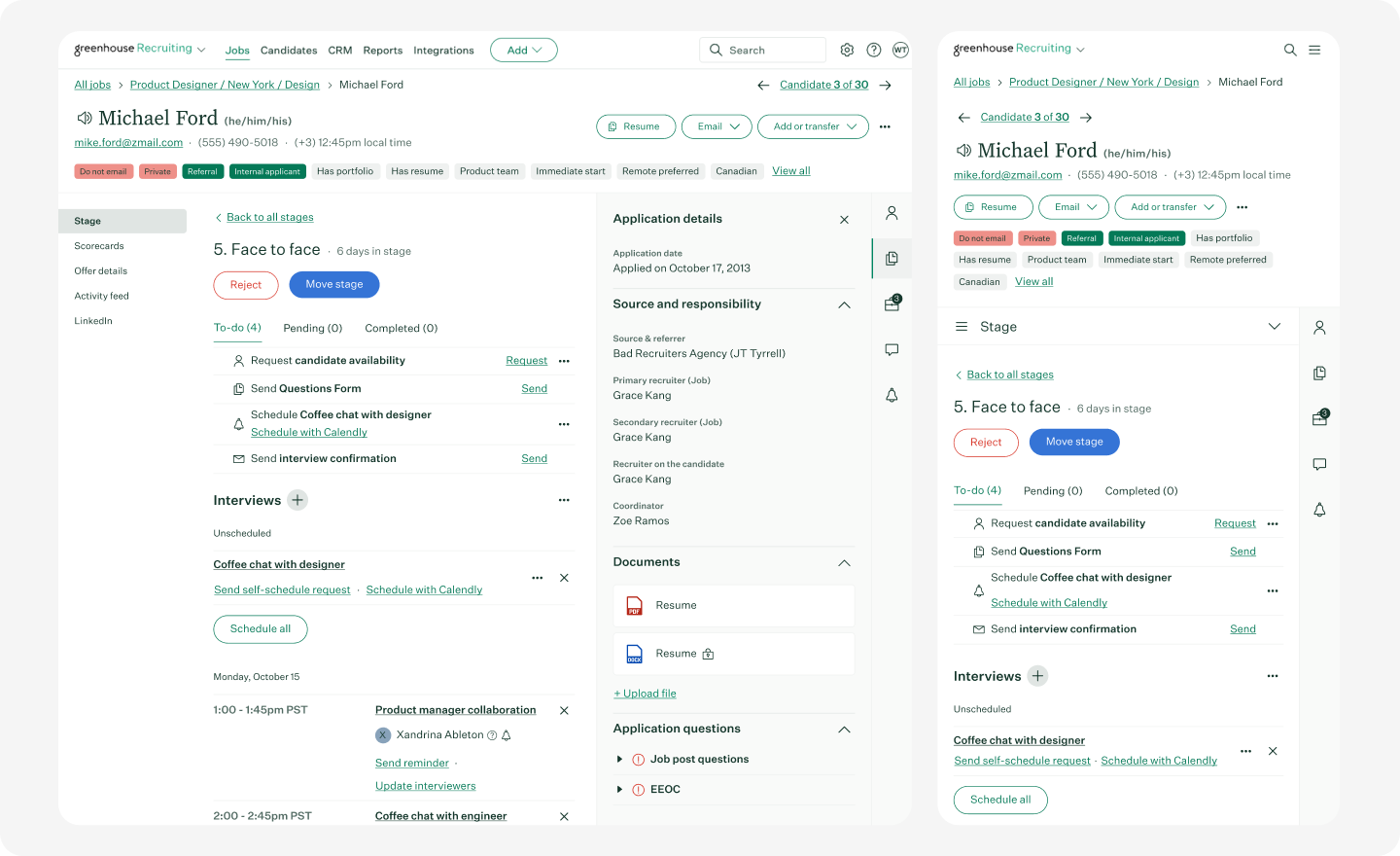
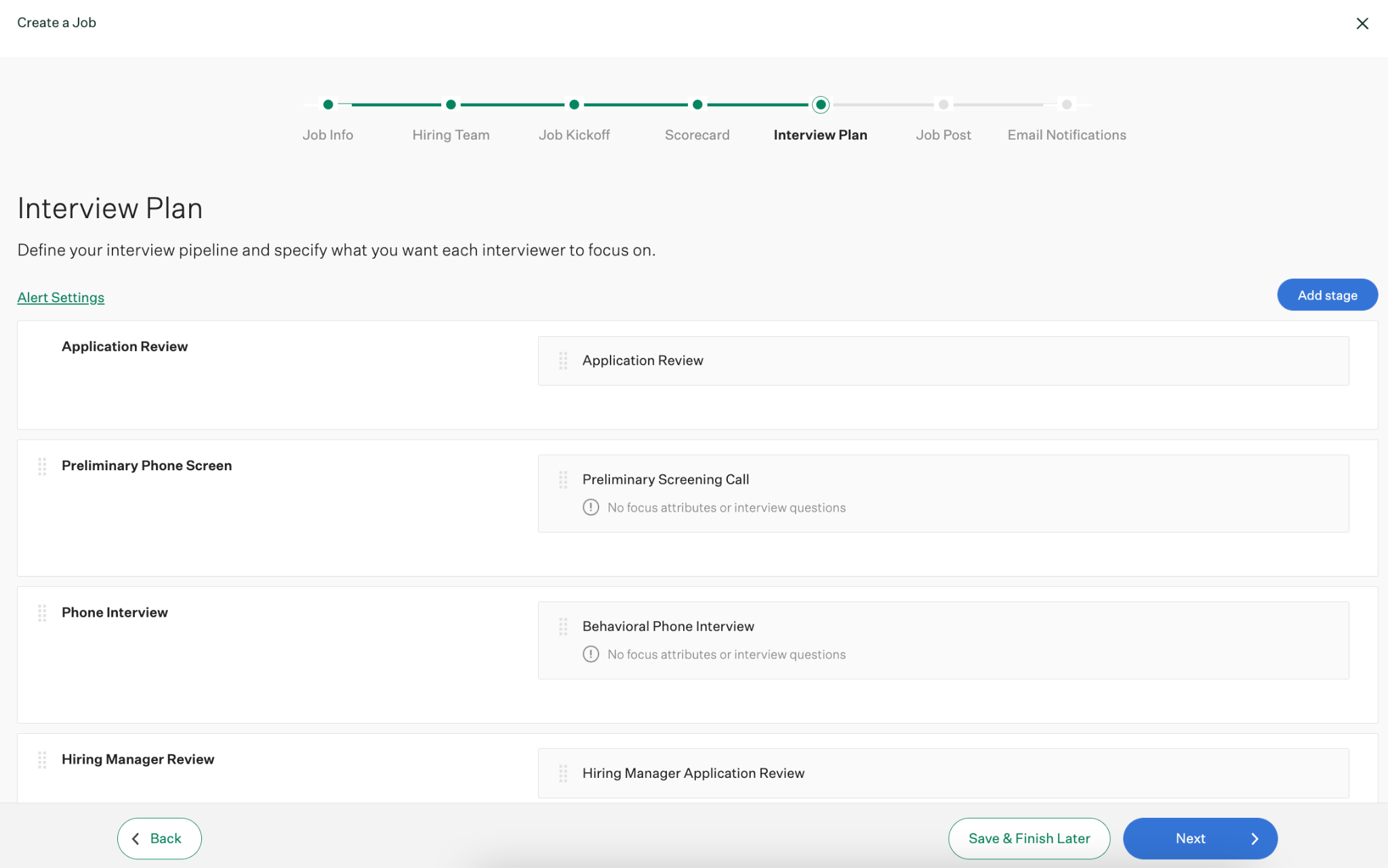
Greenhouse’s core focus is structured hiring, where every candidate is evaluated using predefined stages, interview plans, and scorecards.
This approach helps organizations maintain consistency across hiring decisions, especially when multiple stakeholders are involved. It is particularly effective for companies that prioritize process standardization and compliance.
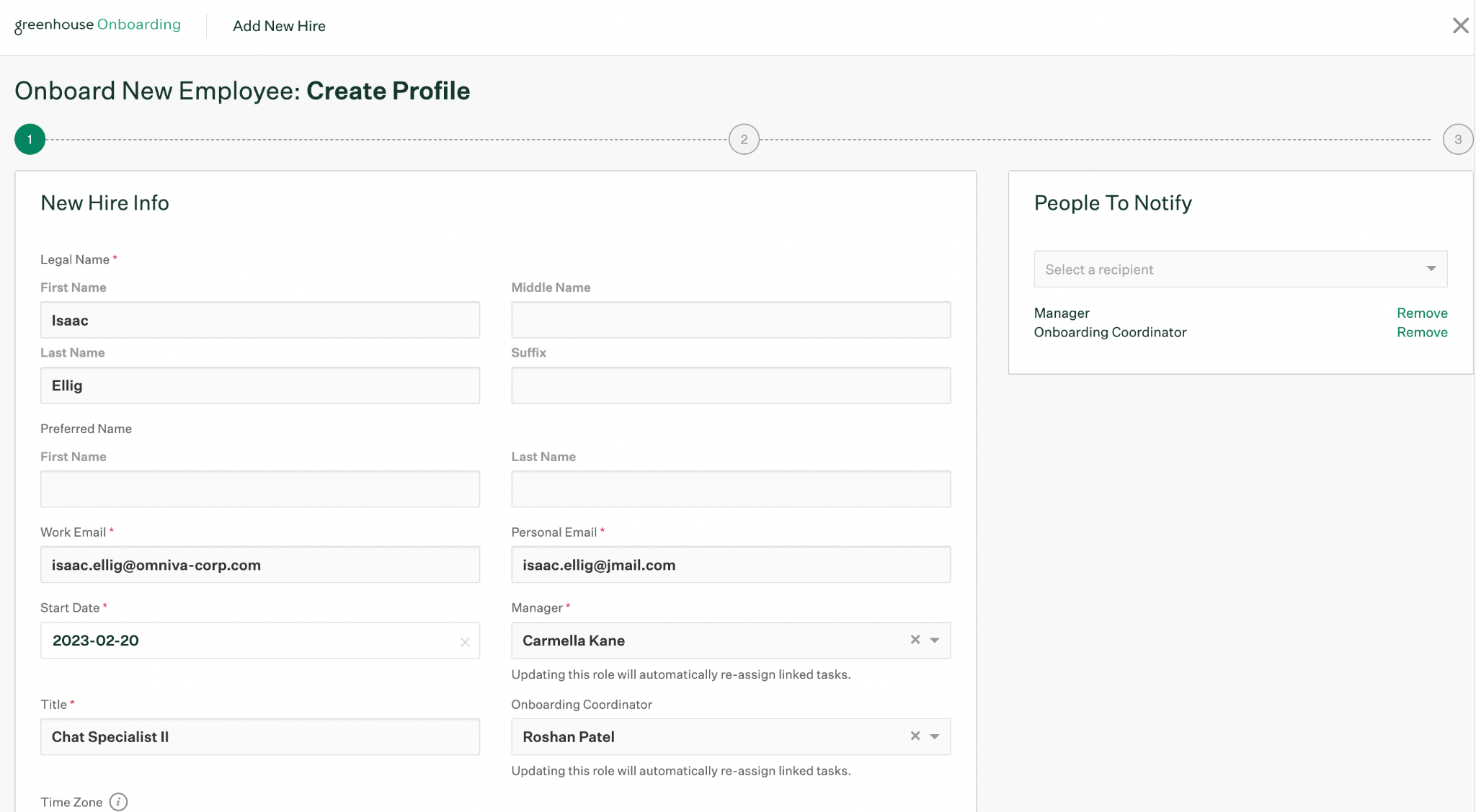
Greenhouse’s standout feature has to be their onboarding system.
Once a candidate is finalized, onboarding can become messy as it usually takes place outside the ATS. With Greenhouse, you can keep track of all your new hires and automate communication with them.
But one thing I have to point out is that Greenhouse focuses more on the overall HR workflow, rather than recruiting functions in detail. They’ve only recently spanned out to ATS features.
Many users also point out the same thing by reporting that Greenhouse acts more like an HR platform with an afterthought ATS.
Another common disadvantage I came across on review sites and Reddit users was how Greenhouse can be quite expensive, and generally a better option for large enterprises due to the pricing. Their pricing isn’t explicitly stated on their website, so I can’t exactly be the judge for that, but this is a common pain point reported by many Greenhouse users and migrators.
So if you’re looking for a JazzHR alternative that’s more focused on just recruitment automation, Greenhouse may not be the best fit for your team. But it’s great at keeping overall HR functions in check for large team.
Key features:
- Structured hiring workflows: Teams can define interview stages, assign interviewers, and standardize evaluation criteria for each role. This ensures consistency across all candidates and reduces subjective decision-making.
- Interview kits and scorecards: Provides predefined interview questions and evaluation templates. Interviewers use structured scorecards, which improves the quality and comparability of feedback
- Built in onboarding system for new hires: Offers a resource hub for new employees, automated welcome messages and emails, and task automation for internal teams.
- Integration marketplace: Integrates with a wide range of tools, including HRIS platforms, sourcing tools, and assessment providers. This allows teams to extend functionality as needed.
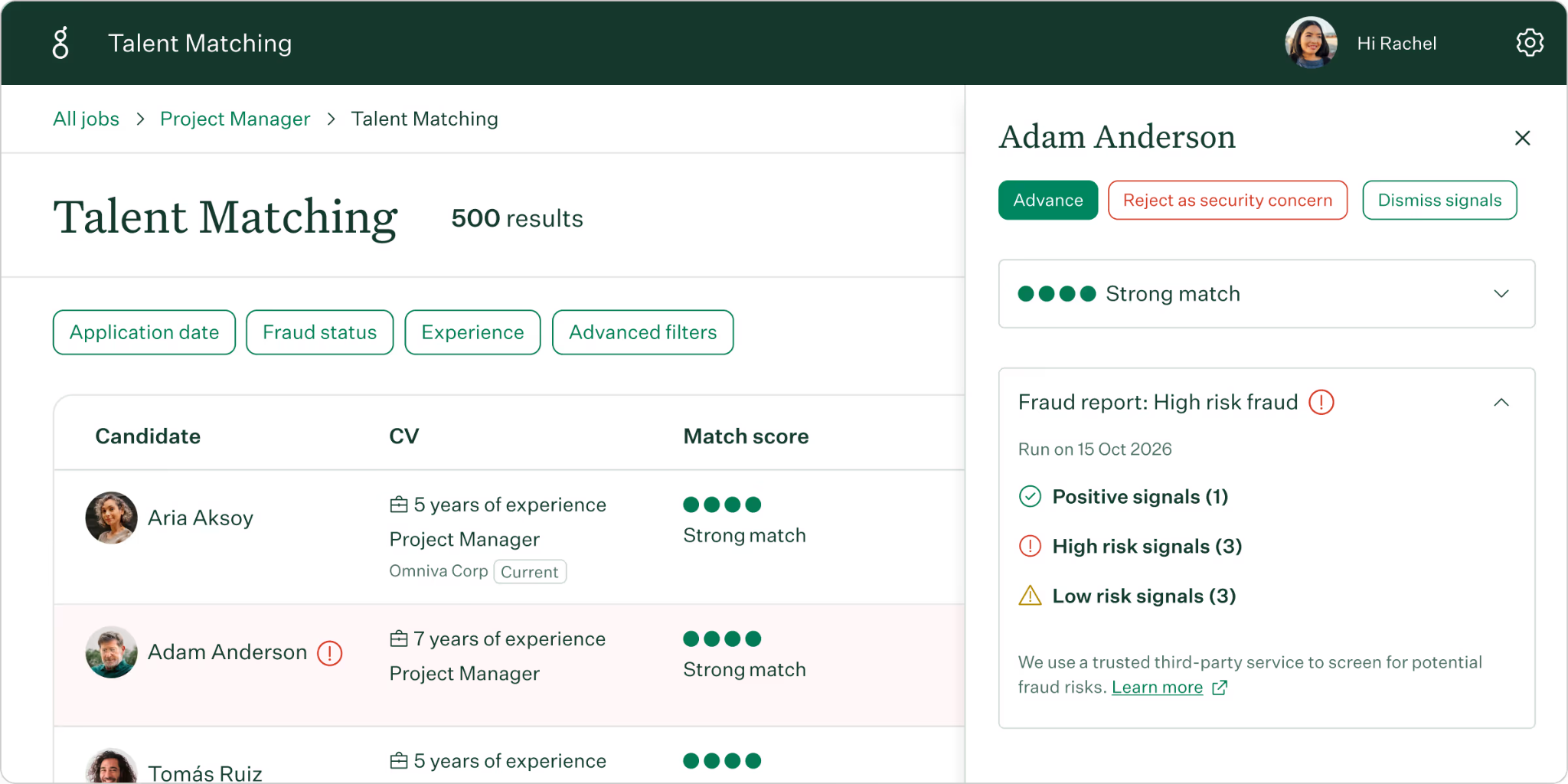
- Candidate fraud detection: Flags suspicious applications by analysing signals like phone number, email, IP address and location
- AI-assisted hiring tools: Features include automated interview plan generation, resume anonymization, and interview summaries. These are designed to support efficiency but are not deeply integrated across all workflows.
Pros
- Greenhouse is scalable, particularly for larger organizations (e.g., a 2,000-person company).
- It is consistently praised for its user-friendly design
- Offers extensive integration capabilities, supporting over 500 pre-built integrations with HR, onboarding, and business tools
Cons
- Expensive pricing compared to many alternatives
- Pricing plans for small businesses lack several essential features, such as bulk actions, candidate self-scheduling, and custom reporting
- More focused on general HR functions over specific recruiter workflows
Pricing:
- Available at request
Bottom line: Greenhouse is a strong JazzHR alternative for companies that care heavily about structured hiring, standardized interviews, and process consistency across teams.
That said, teams looking for deeper sourcing automation, more flexible analytics, or a more unified recruiting workflow may still find themselves relying on additional tools alongside Greenhouse.
2. Kula
Best for: Teams that want an all in one, AI-native ATS that consolidates sourcing, applicant tracking, automated interview scheduling, interview intelligence with built-in notetaker, AI-driven analytics, and candidate communication into one system for multiple stakeholders.
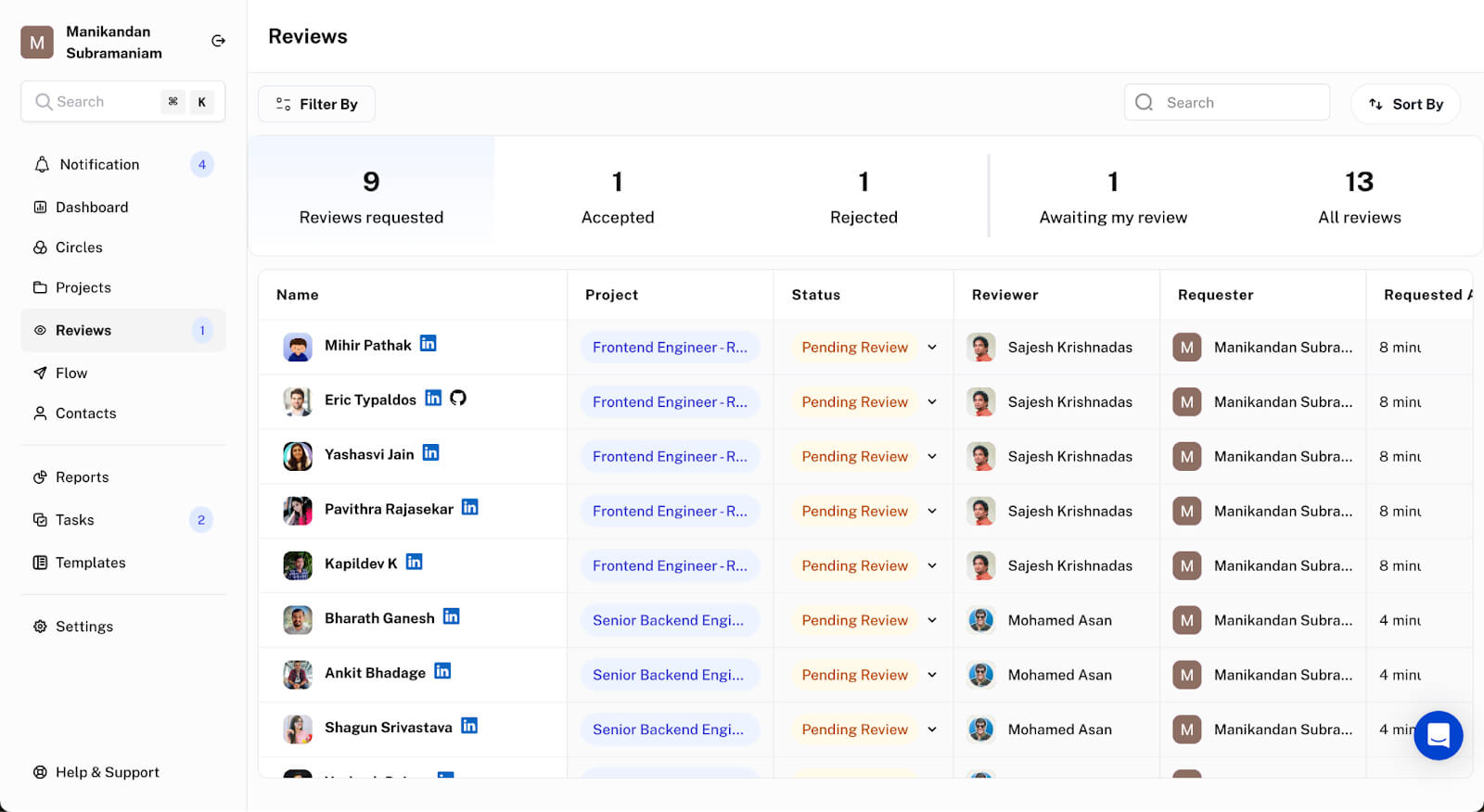
Kula is an all-in-one AI-native recruiting software designed to handle the entire hiring workflow within a single platform. Unlike most ATS platforms that rely on integrations for sourcing, scheduling, or analytics, Kula includes these capabilities natively.
The best part about Kula is that AI isn’t treated as an add-on layer or additional ATS feature. You’ll find AI built into each feature to make hiring more smarter and streamlined for your team.
The main advantage is that all data—candidate profiles, outreach activity, interview feedback, hiring metrics, and even candidate assessment and job offer roll outs—are all stored in one system.
Compared to JazzHR, Kula is a lot more intuitive, easier to use and requires almost no learning curve. It’s also extremely easy to migrate to. Plus, the interface is very smooth and has no unnecessary steps that elongate the hiring process.
Key features:
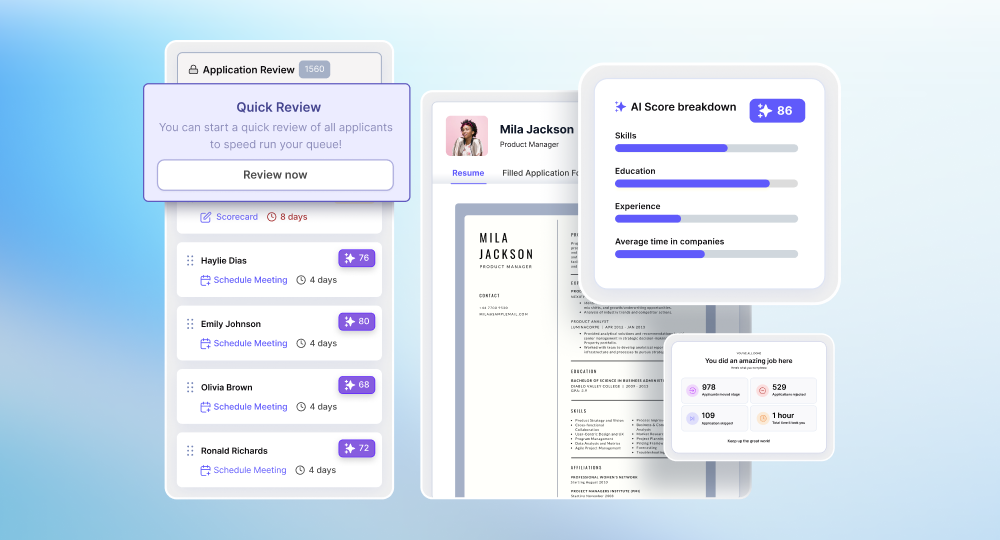
- AI scoring for candidate evaluation: Recruiters can define role-specific criteria such as skills, experience, and qualifications. The system automatically scores and ranks candidates based on these inputs, reducing manual resume screening and improving consistency.
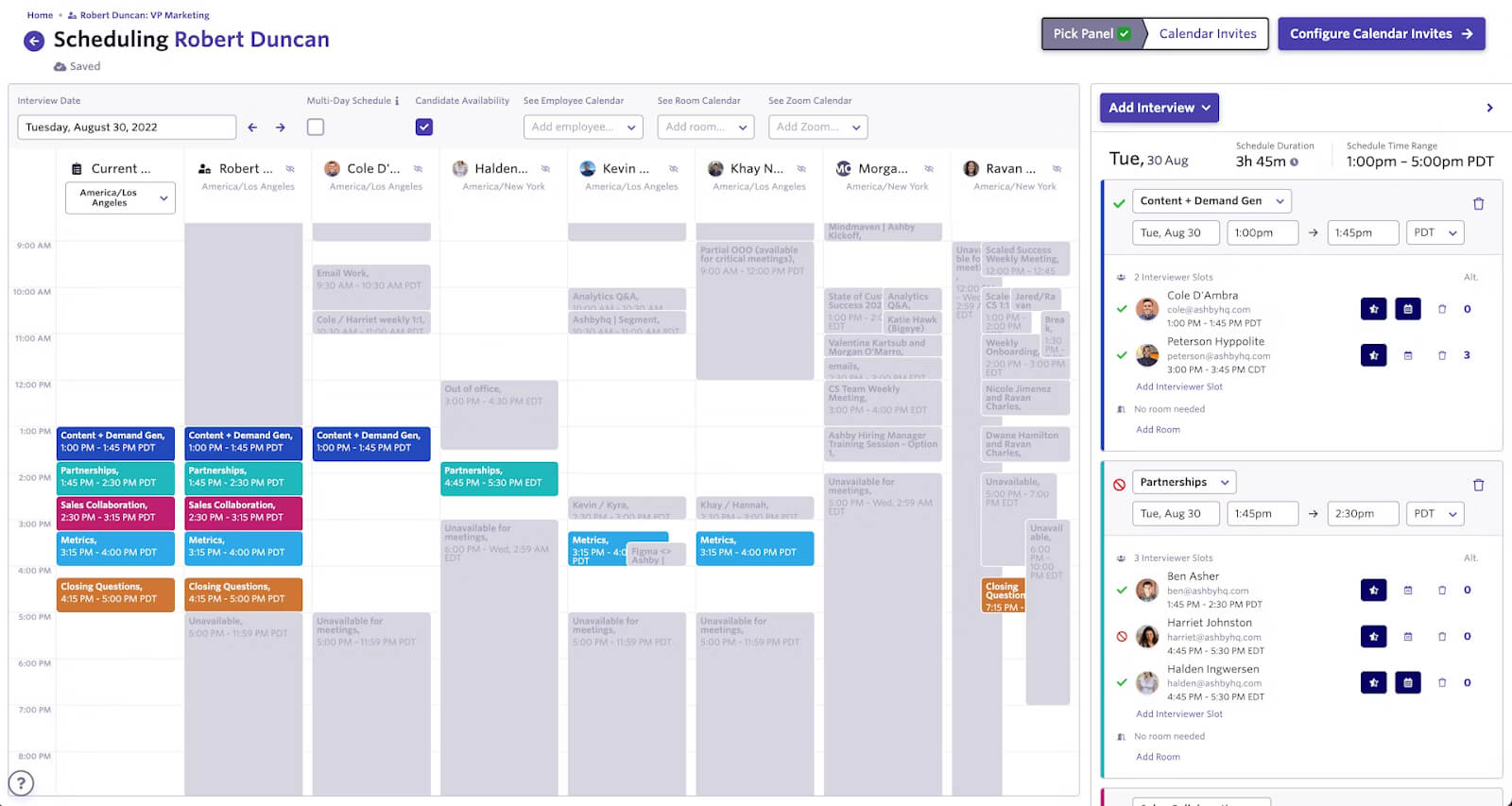
- Built-in interview scheduling: Candidates can self-schedule interviews based on interviewer availability. The system accounts for interviewer workloads and prevents conflicts, which reduces coordination effort and scheduling delays.
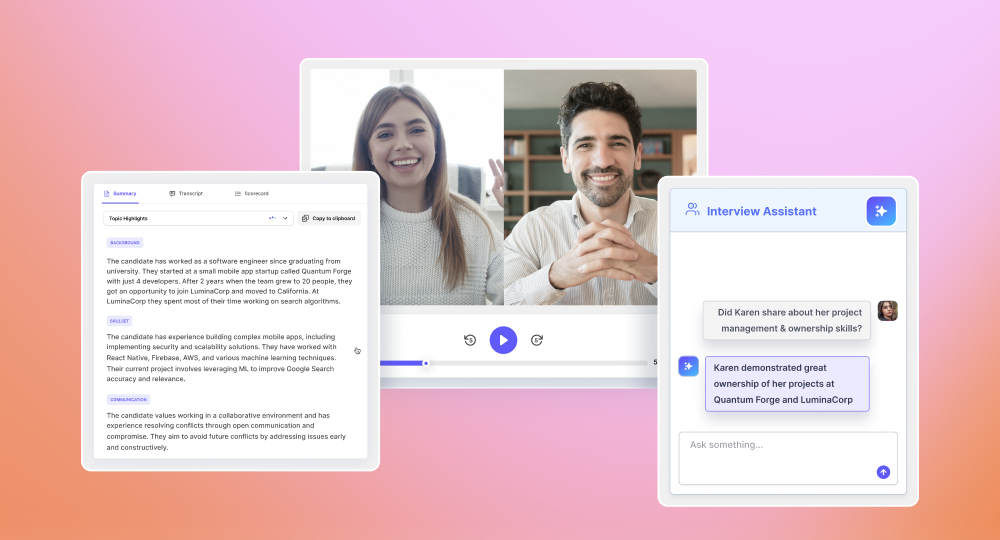
- Interview intelligence and structured feedback: Interviews are recorded, transcribed, and summarized. Scorecards can be auto-filled based on the conversation, helping teams standardize feedback and make more consistent hiring decisions.
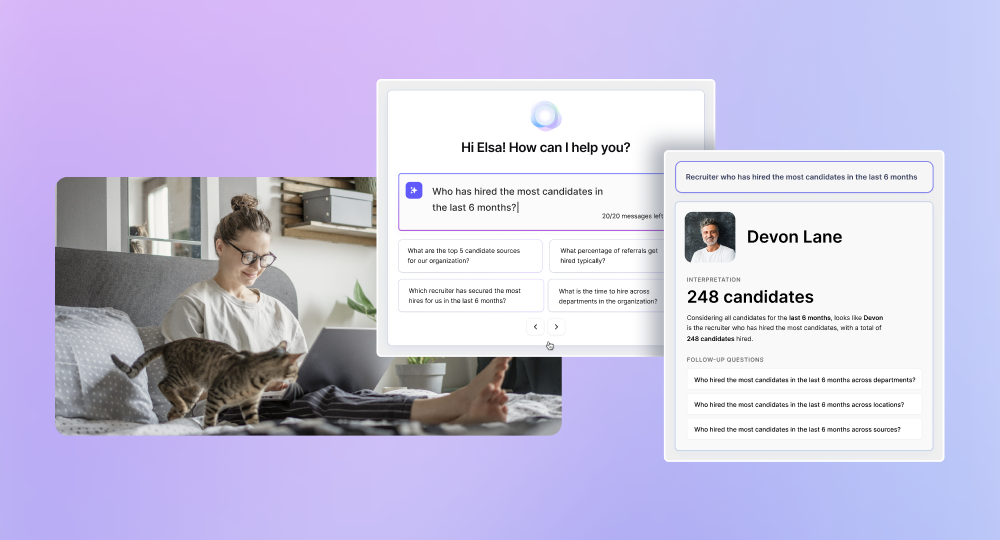
- Conversational analytics and reporting: Users can use conversational queries to get quick recruiting KPIs and data instead of building reports manually. This allows teams to quickly identify bottlenecks, track performance, and answer operational questions without exporting data.
- Automated multi-channel candidate outreach: Run personalized outreach across email and LinkedIn with automated sequences and follow-ups, while tracking all engagement directly within the candidate profile.
Pros:
- Combines ATS, CRM, interview scheduling, note taking, reporting, candidate reviewing, and the full hiring process stages all into one system for recruiters and hiring managers
- Reduces dependency on third-party tools
- Integrations with DocuSign and PandaDoc for automated offer letters with templates
- Automates high-effort tasks like screening and scheduling
- Conversational AI analytics for access to quick and specific data insights
Cons:
- Newer platform compared to legacy ATS tools
Pricing:
- Starter plan starts at approximately $399/month
- Higher tiers are custom priced based on company size
Bottom line: Kula is a strong option for teams that want to reduce tool fragmentation and improve hiring efficiency. It is particularly useful for organizations that currently rely on multiple tools for sourcing, scheduling, and reporting and want to consolidate those workflows into one system with AI built-in from the ground up.
3. Ashby
Best for: Teams that want to consolidate their ATS, CRM, sourcing, scheduling, and analytics into a single platform, without sacrificing flexibility or depth.
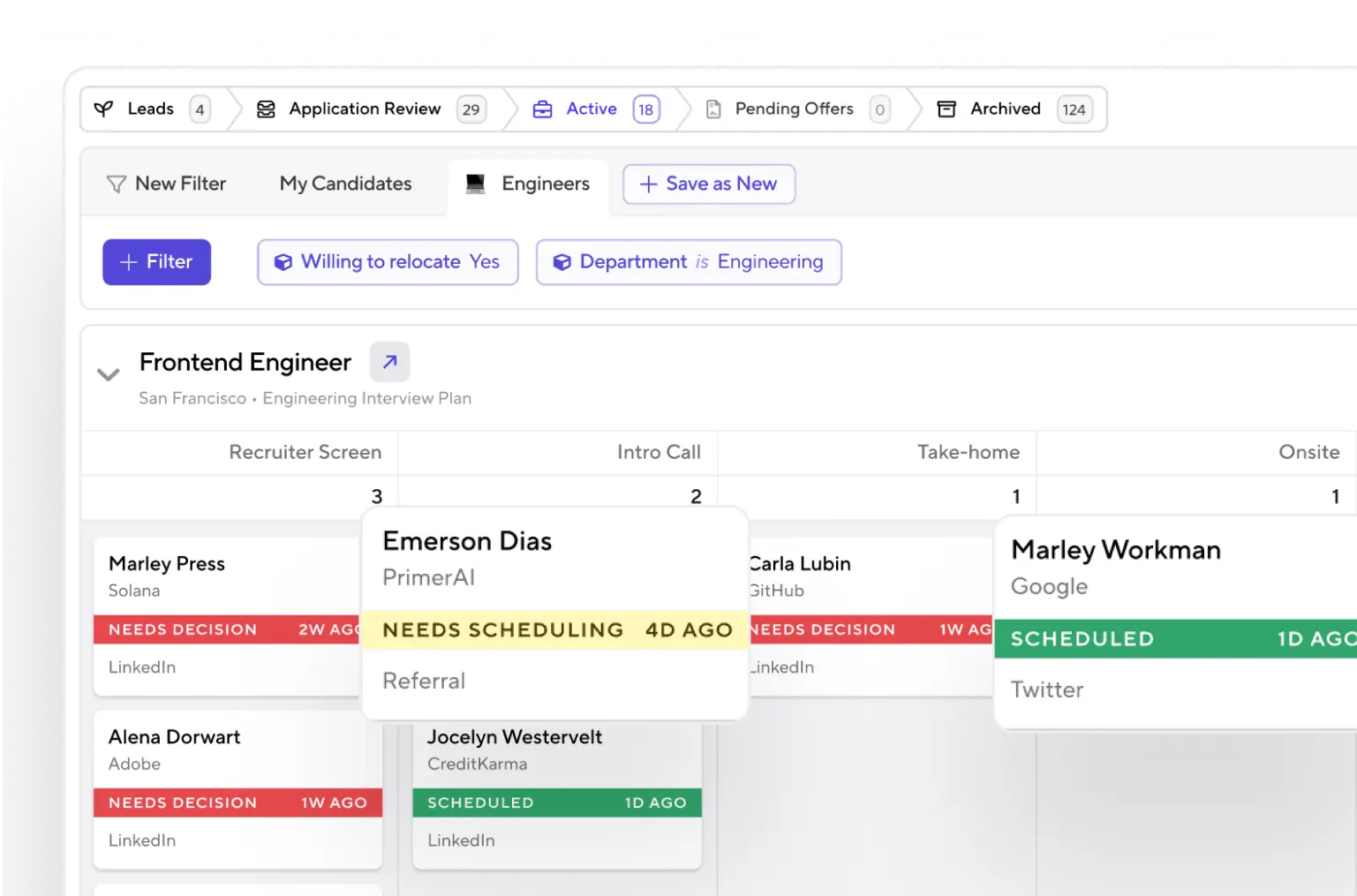
Ashby is built as a true all-in-one recruiting platform, combining ATS, sourcing, CRM, scheduling, and analytics into a single system. Unlike tools that bolt on features over time, Ashby is designed to keep every part of the hiring workflow connected—from first outreach to final offer.
Where it stands out is in how tightly integrated everything feels. Instead of switching between tools for sourcing, outreach, scheduling, and reporting, teams can manage the entire hiring process in one place.
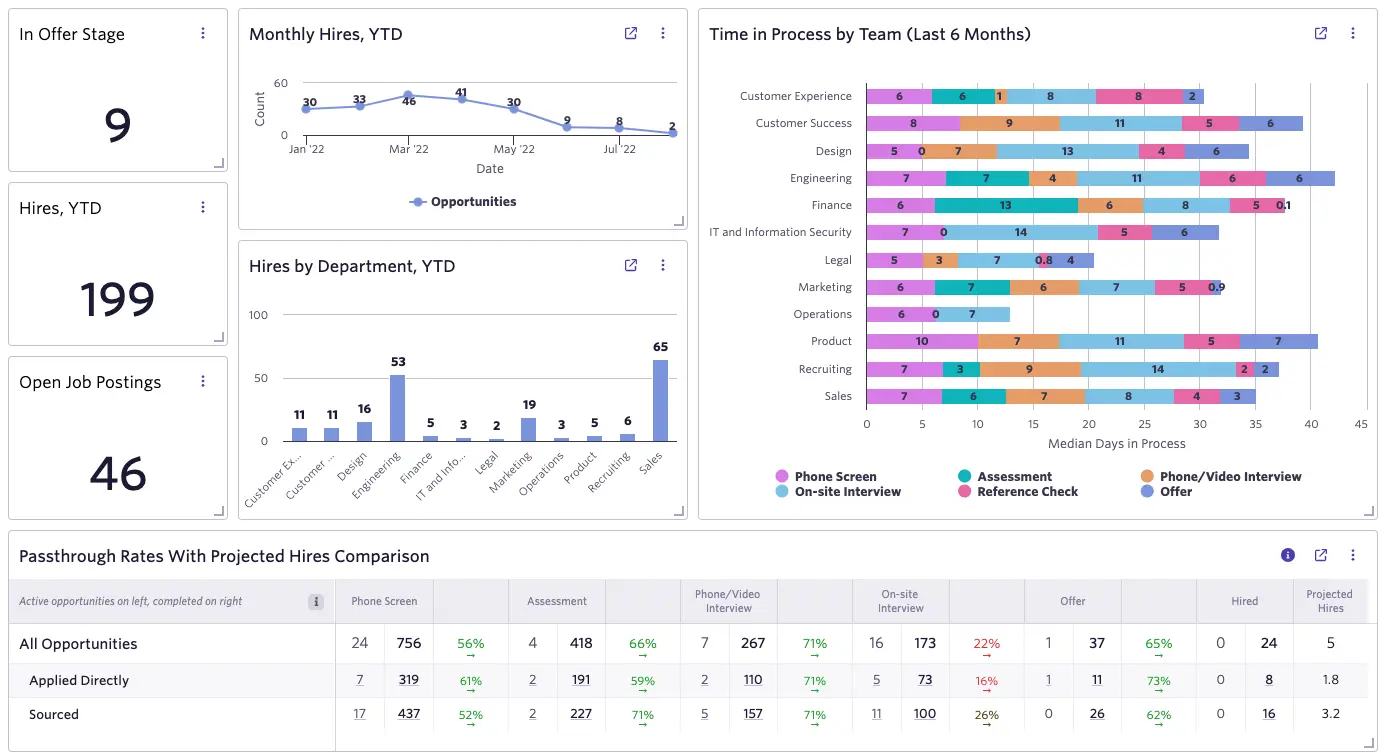
Another major differentiator I came across is Ashby’s analytics. Compared to JazzHR, I found that it goes beyond basic reporting and allows teams to drill into funnel performance, hiring velocity, and bottlenecks without relying on external tools or spreadsheets.
So if data-driven hiring powered by AI is a main concern for your team, Ashby is a great alternative to JazzHR.
Key features:
- All-in-one recruiting platform: Combines ATS, sourcing, CRM, scheduling, and analytics into a single system. This reduces tool fragmentation and gives teams full visibility across the hiring funnel.
- Customizable ATS with structured workflows: Offers visual pipelines, customizable interview plans, and automated workflows, making it easy to standardize hiring while still adapting to different roles and teams.
- Advanced recruiting analytics: Provides custom dashboards, report builders, and real-time insights into metrics like time-to-hire, pass-through rates, and funnel performance—without needing external recruiting tools.
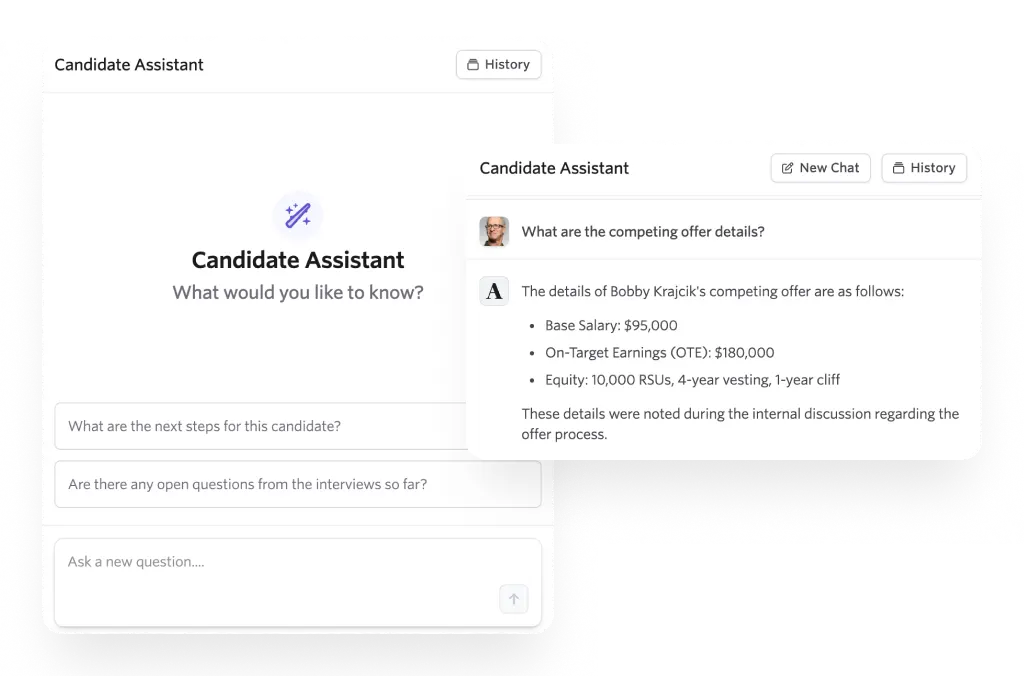
- AI-powered recruiting workflows: Includes AI-assisted candidate search, outreach personalization, and a candidate assistant that helps recruiters quickly access context and draft communication.
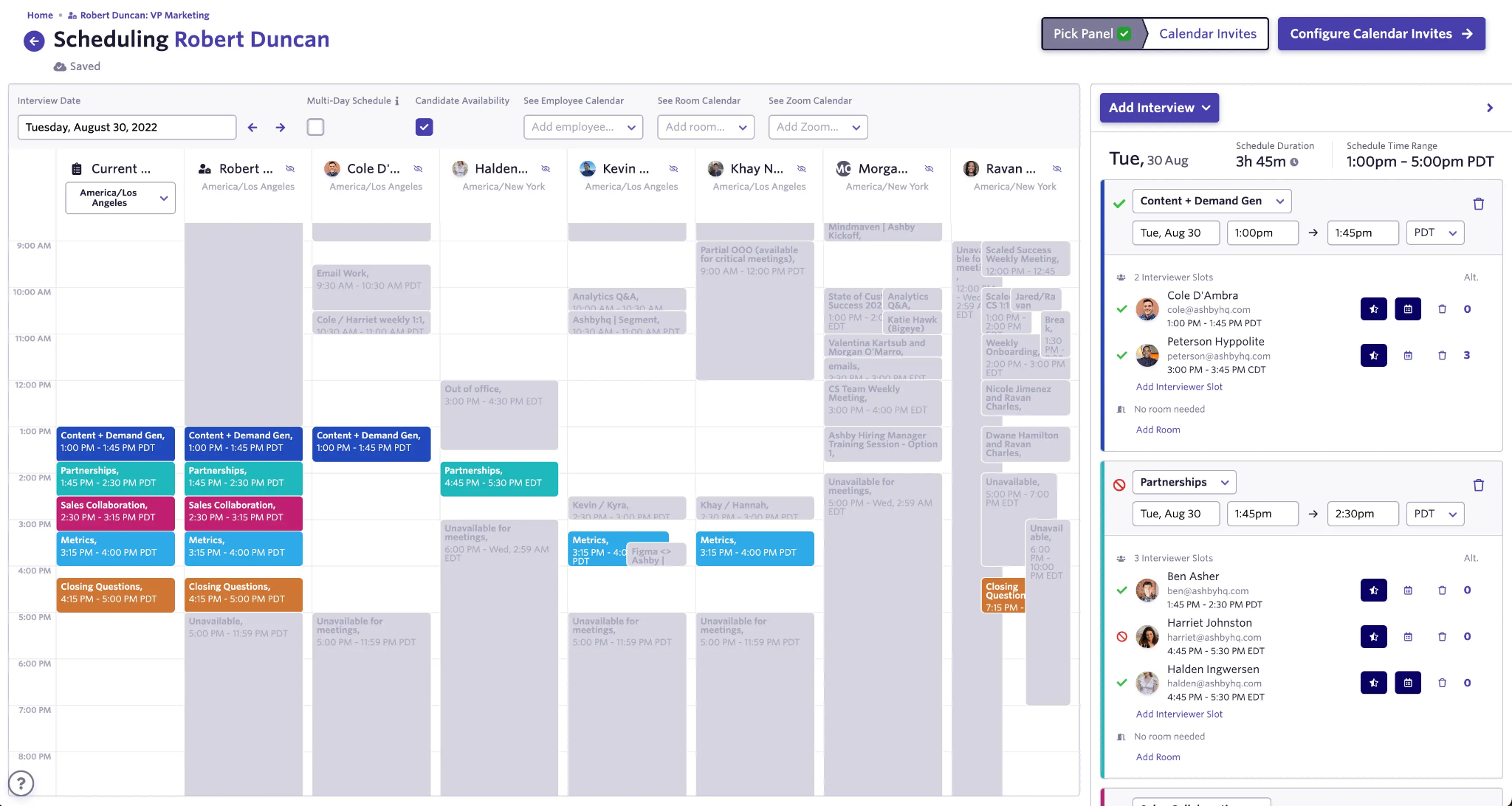
- Automated scheduling: Supports self-serve booking links, automated scheduling based on interview stages, and complex multi-interviewer coordination to reduce back-and-forth.
- Candidate communication automation: Automate job offer letters, assessments, and even candidate experience surveys.
- Strong integrations and data sync: Offers seamless integrations with tools like Gmail, Google Calendar, Slack, and HR systems, ensuring all hiring data stays connected.
Pros:
- Ashby replaces multiple tools with a single, tightly integrated platform, reducing context switching
- Its analytics capabilities are significantly more advanced than most ATS platforms
- Highly customizable workflows make it adaptable for both startups and enterprise teams
- AI features are embedded into actual workflows (not just surface-level add-ons)
Cons:
- Can feel overwhelming for smaller teams that don’t need such a comprehensive system
- Initial setup and migration may take time due to the platform’s depth
- Pricing is not transparent and may be on the higher side for early-stage teams
Pricing: $300/month for 1-10 employees. Scales depending on your team size.
Bottom line: Ashby is one of the strongest JazzHR alternatives for teams that want advanced recruiting analytics, customizable workflows, and a tightly connected ATS + CRM experience in one platform.
It’s particularly valuable for scaling companies that need deeper visibility into hiring performance without stitching together multiple recruiting tools.
But for smaller teams with simpler hiring needs, Ashby’s depth and flexibility can sometimes feel heavier than necessary.
👉Looking for an Ashby alternative? Check out this guide
3. Workable
Best for: HR teams who want to consolidate hiring, employee data management, time tracking and payroll.
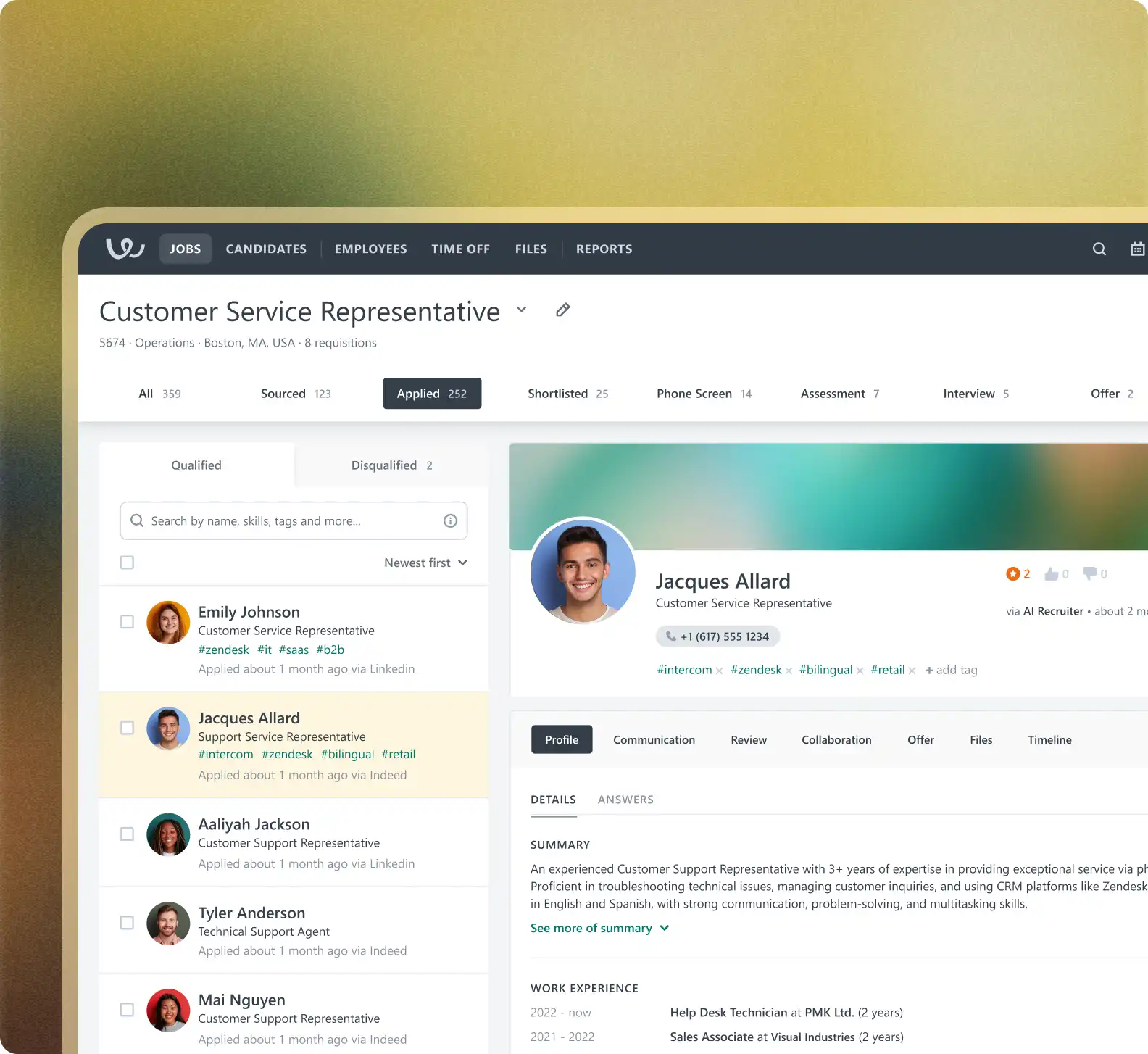
Workable is positioned as a complete recruiting and HR platform that combines applicant tracking, candidate sourcing, and core HR tools in one system.
It’s designed to help teams manage the full hiring lifecycle—from job posting and sourcing to onboarding and employee management—without relying heavily on external tools.
I found that Workable’s biggest strength lies in sourcing and automation. It also includes built-in HR features like onboarding workflows, employee records, and time-off tracking, making it more than just an ATS.
Key features:
- AI-assisted screening with match scores, summaries, and resume parsing
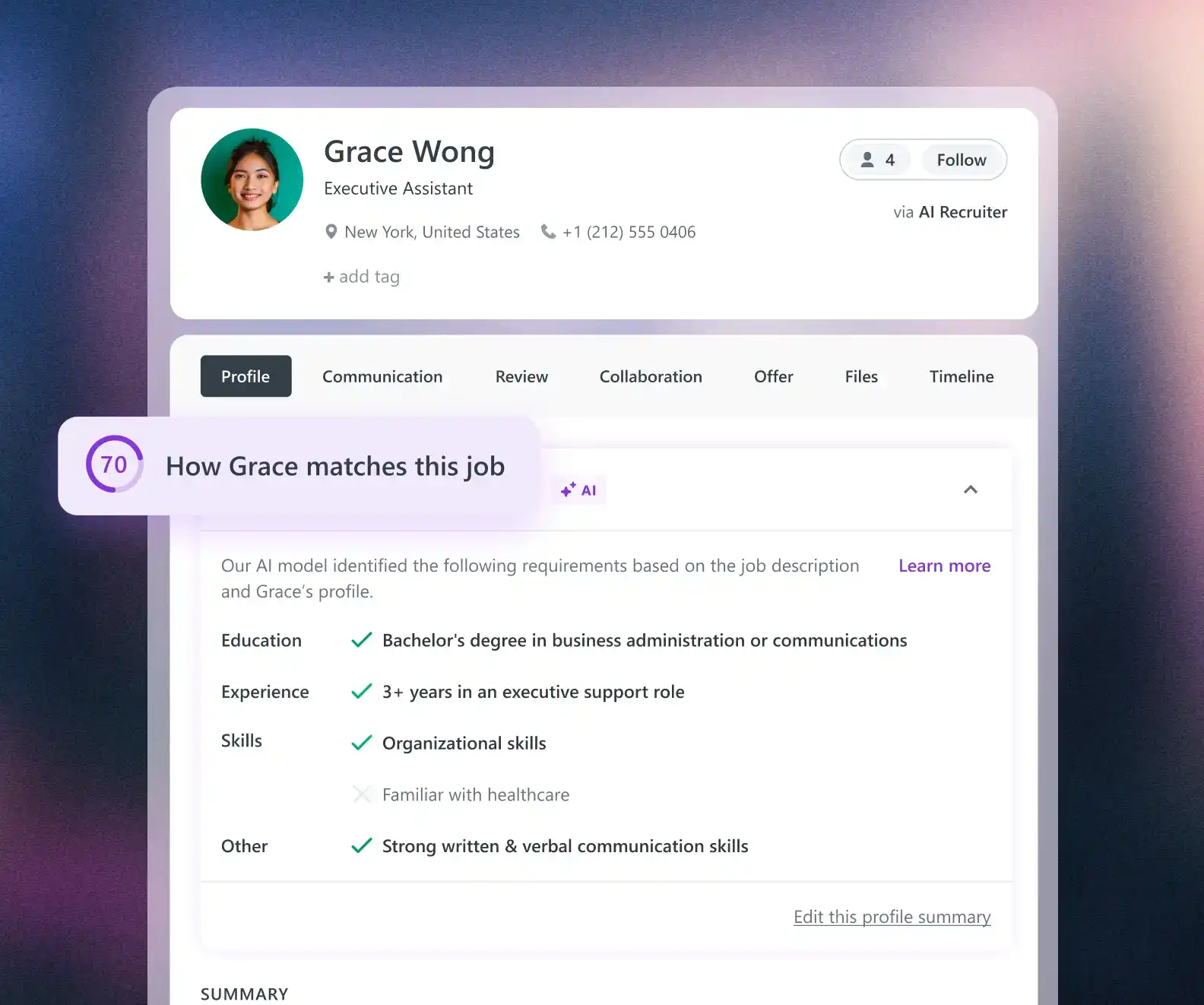
- Structured interview kits, anonymized screening, and one-way video interviews
- HRIS features including employee profiles, org charts, time-off tracking, and payroll integrations
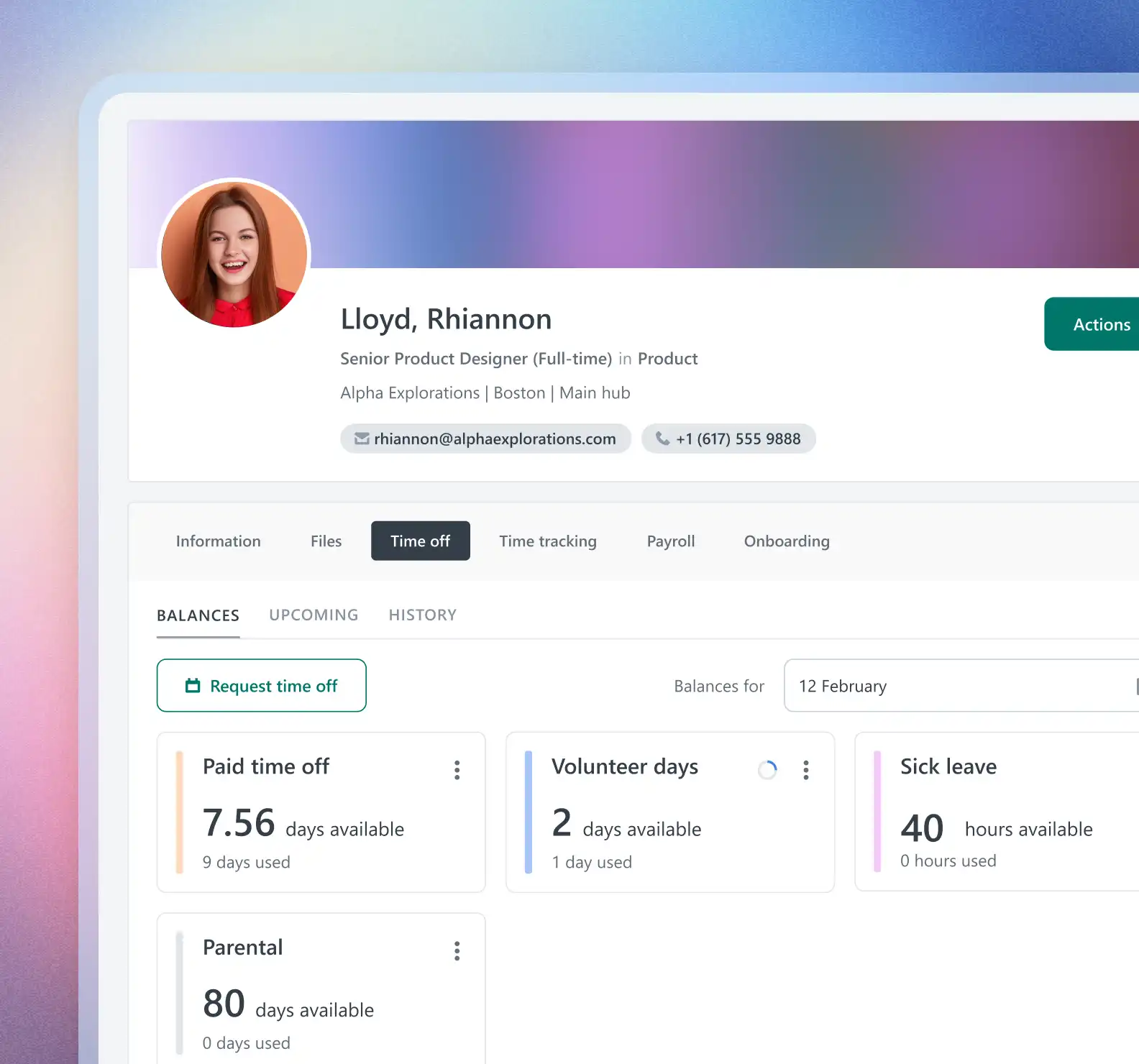
- Candidate self-scheduling with calendar sync and automated interview coordination
- Advanced reporting with custom dashboards and BI integrations
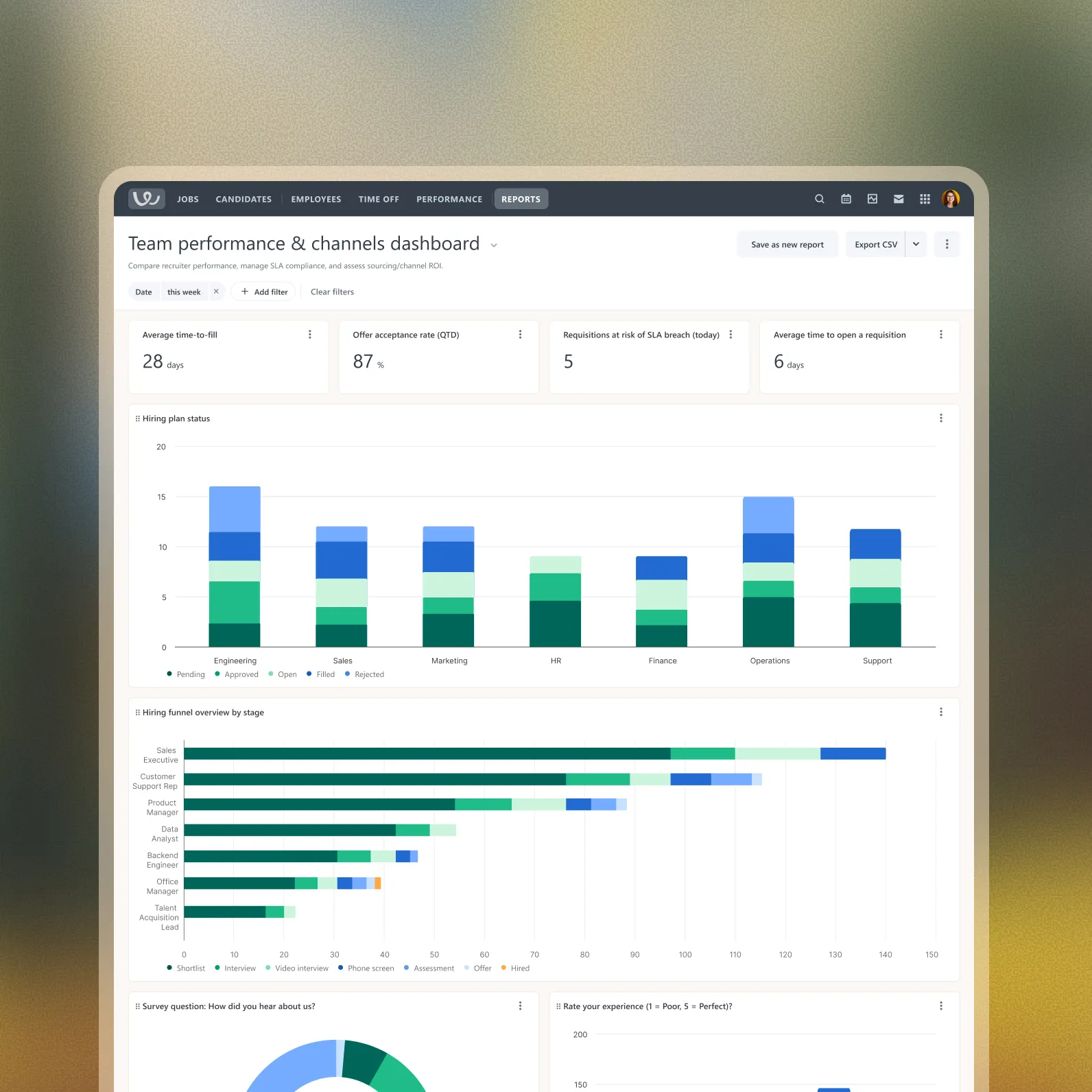
- Built-in onboarding portal with task tracking and document management
Pros:
- Strong built-in sourcing with access to a large candidate database
- Covers both recruiting and HR in a single platform
Cons:
- Can become expensive as you scale or add features
- Less specialized than dedicated ATS tools for complex recruiting workflows
Pricing:
- Standard: $299/month (small teams)
- Premier: $599/month
- Enterprise: $719/month
- Add-ons available for texting, video interviews, assessments, etc.
Bottom line: Workable is a solid JazzHR alternative for small to mid-sized teams that want an easy-to-use ATS with built-in sourcing, onboarding, and HR functionality.
It’s particularly appealing for companies that want fast implementation and onboarding, especially for non-technical hiring teams who want to adapt quickly to their tech stack.
5. BambooHR
Best for: Companies that want hiring integrated with HR, payroll, and employee management in one system.
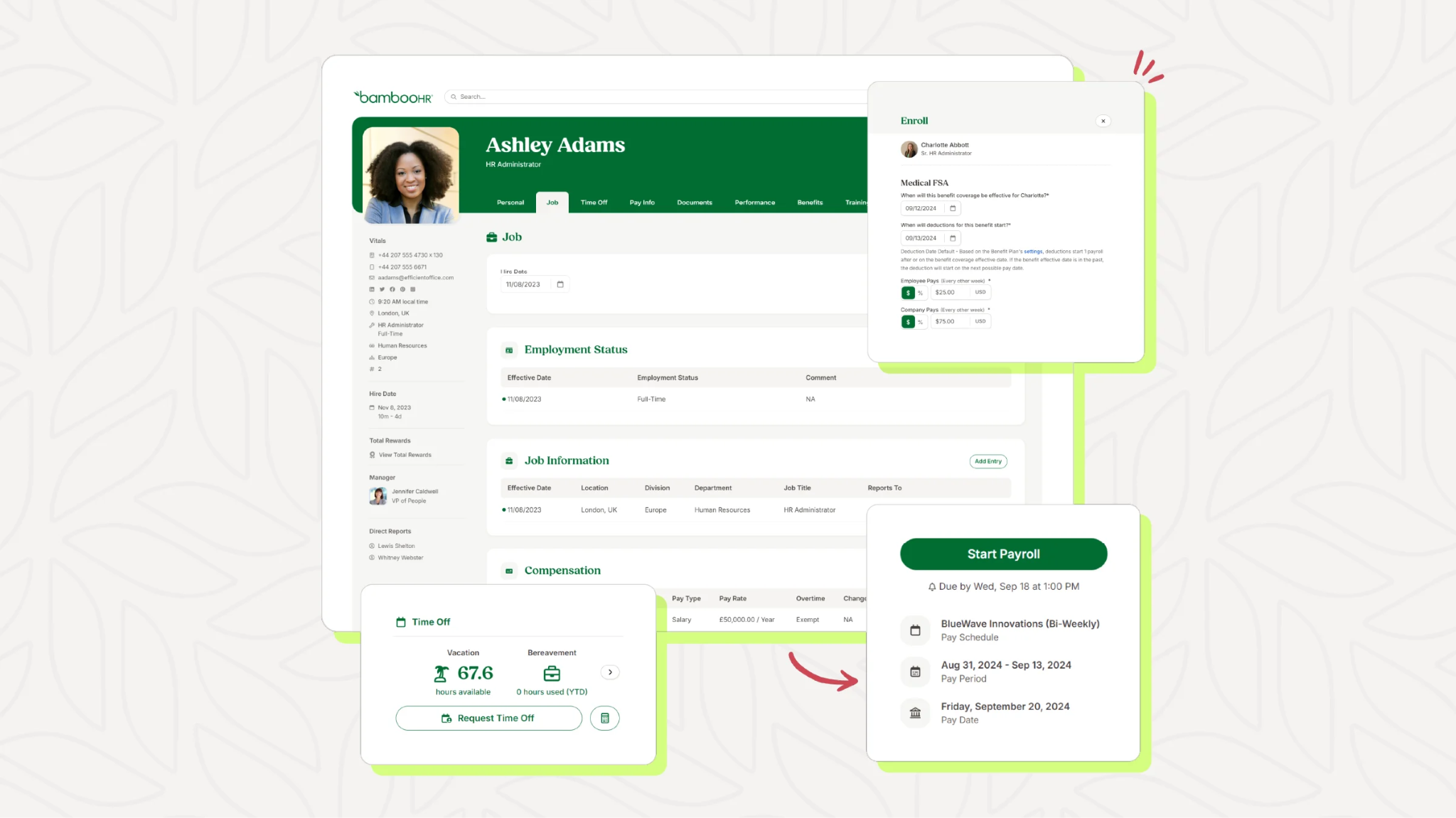
BambooHR is an HR platform with built-in applicant tracking, designed to manage the full employee lifecycle.
I found BambooHR somewhat similar to Greenhouse in that it extends beyond recruiting workflows and focuses more broadly on the overall employee lifecycle by connecting hiring with onboarding, employee data management, performance tracking, and compliance.
But the difference is that Greenhouse seems more expensive compared to BambooHR. So if you’re looking for a JazzHR alternative similar to Greenhouse, minus the enterprise level pricing, BambooHR is a great option.
Its ATS is tightly integrated into the HR system, allowing candidate data to flow directly into employee records once hired. This makes it easier for HR teams to manage transitions without switching tools, but it also means recruiting features are more basic compared to dedicated ATS platforms.
Key features:
- Structured onboarding workflows with checklists, e-signatures, and new hire packets
- Centralized employee database with custom reports and approval workflows
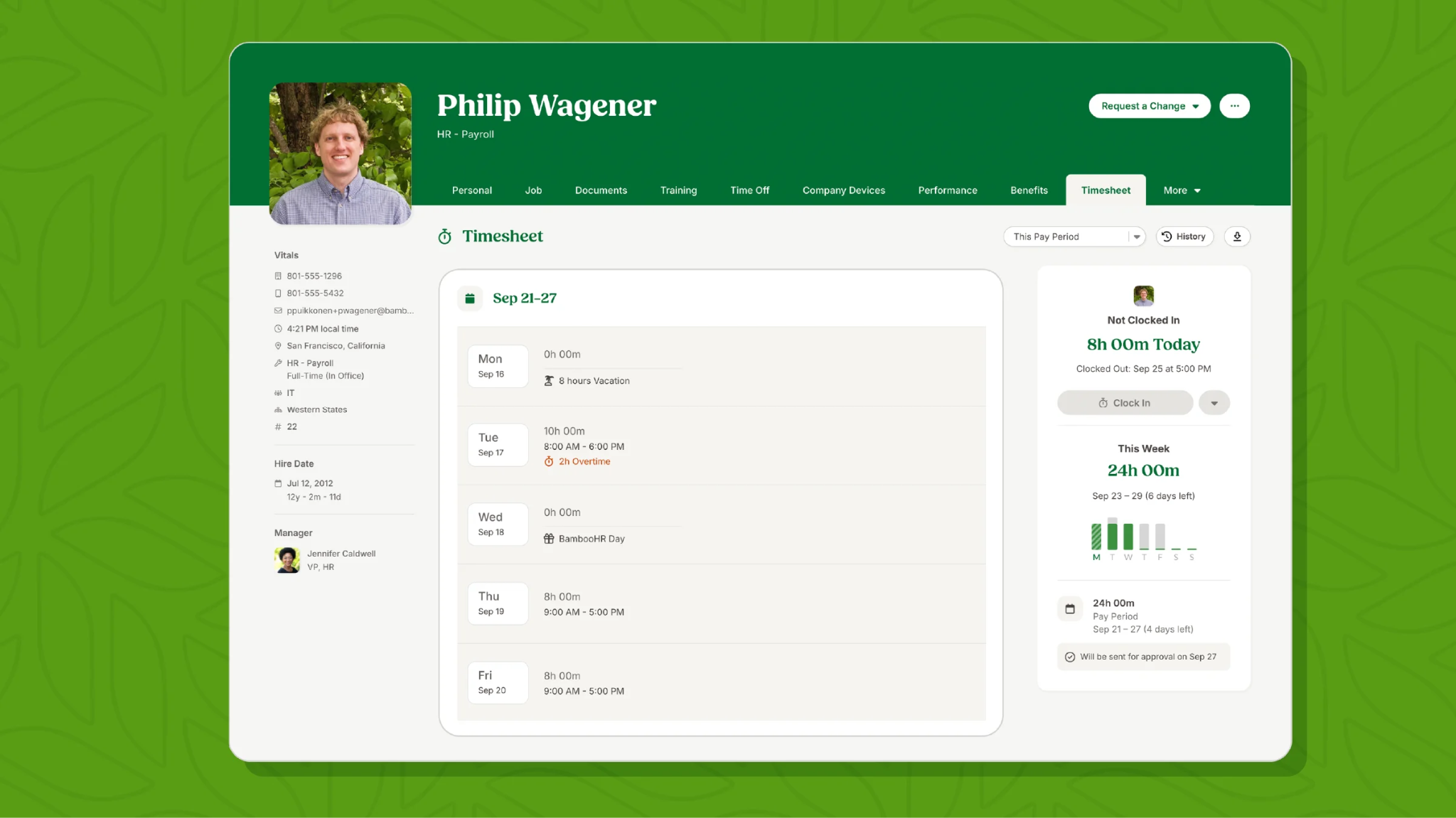
- Performance management with 360° feedback, goal tracking, and review cycles
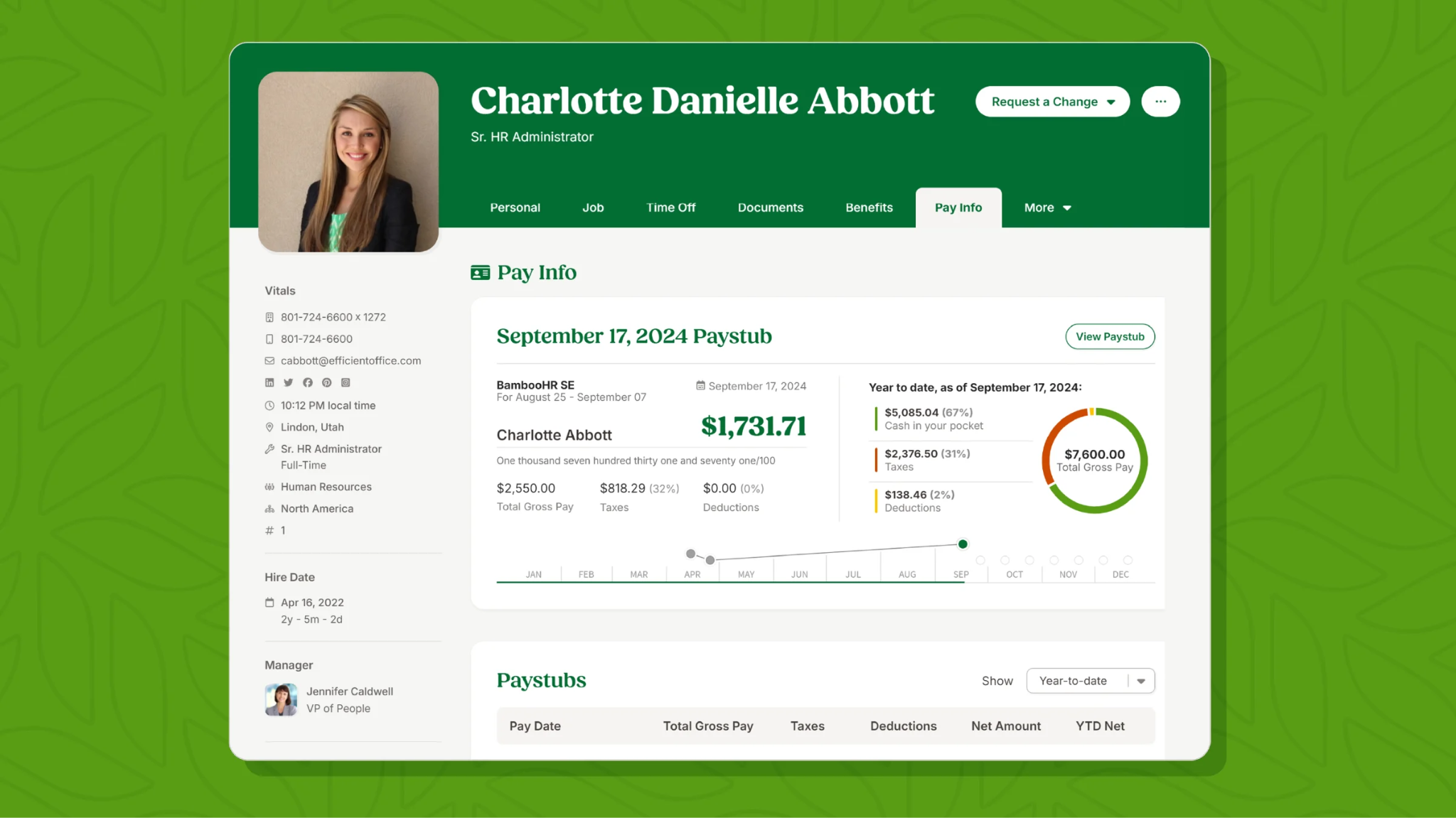
- Compensation management including benchmarking, planning, and pay visualization (higher tiers)
- Employee engagement tools like announcements, communities, and satisfaction tracking
- AI-powered HR insights and reporting dashboards
Pros
- Strong HR capabilities beyond hiring (onboarding, performance, compensation)
- Seamless transition from candidate to employee records
- Easy to use for HR teams without technical complexity
- All employee data centralized in one system
Cons
- ATS functionality is relatively basic
- Limited sourcing and outreach capabilities
- Not ideal for high-volume or complex hiring workflows
- May require additional tools for advanced recruiting
Pricing:
- Core: $10 per employee/month
- Pro: $17 per employee/month
- Elite: $25 per employee/month
- Additional costs for payroll, benefits, and other add-ons
- Small companies may have a minimum monthly cost (~$250)
Bottom line: BambooHR is a good JazzHR alternative for HR-led teams that want hiring, onboarding, employee management, and payroll workflows connected in one system.
It works especially well for smaller companies prioritizing ease of use and operational simplicity over highly advanced recruiting workflows.
But teams with heavier sourcing needs, outbound recruiting strategies, or more complex hiring operations may eventually need additional recruiting tools alongside BambooHR. I found the main difference between BambooHR and JazzHR to be the focus area.
BambooHR focuses a lot on general HR functions like payroll and employee management, whereas JazzHR is very recruiting focused for beginner teams.
6. BreezyHR
Best for: Small to mid-sized businesses that want an easy-to-use ATS with built-in automation, interview scheduling, and collaborative hiring workflows.
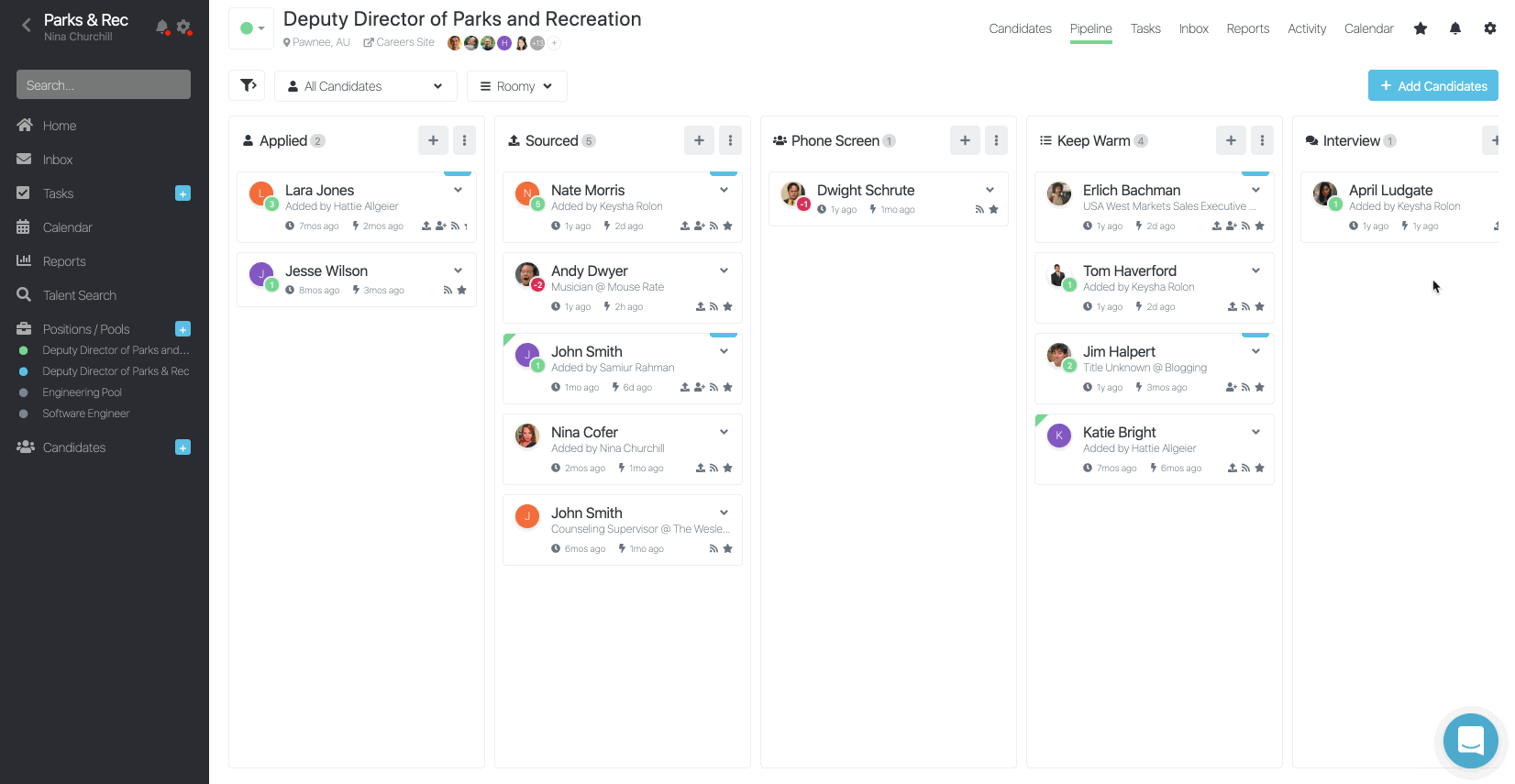
BreezyHR is a recruiting platform focused on simplifying day-to-day hiring operations for smaller teams. It combines applicant tracking, interview scheduling, candidate communication, and basic sourcing tools into one relatively lightweight system.
Compared to JazzHR, BreezyHR feels more modern and visually intuitive, especially for collaborative hiring. Many teams prefer its drag-and-drop pipeline interface and easier workflow automation.
One area where BreezyHR stood out for me is candidate experience. The platform includes self-scheduling, automated messaging, career site customization, and built-in communication tools that reduce manual recruiter coordination.
That said, BreezyHR is still primarily designed for SMB hiring workflows. As recruiting operations become more complex, I came across some teams mentioning limitations around reporting depth, customization, and scalability.
Key features:
- Built-in sourcing and job distribution: Publish jobs across multiple job boards, manage referrals, and create branded career pages without requiring additional tools.
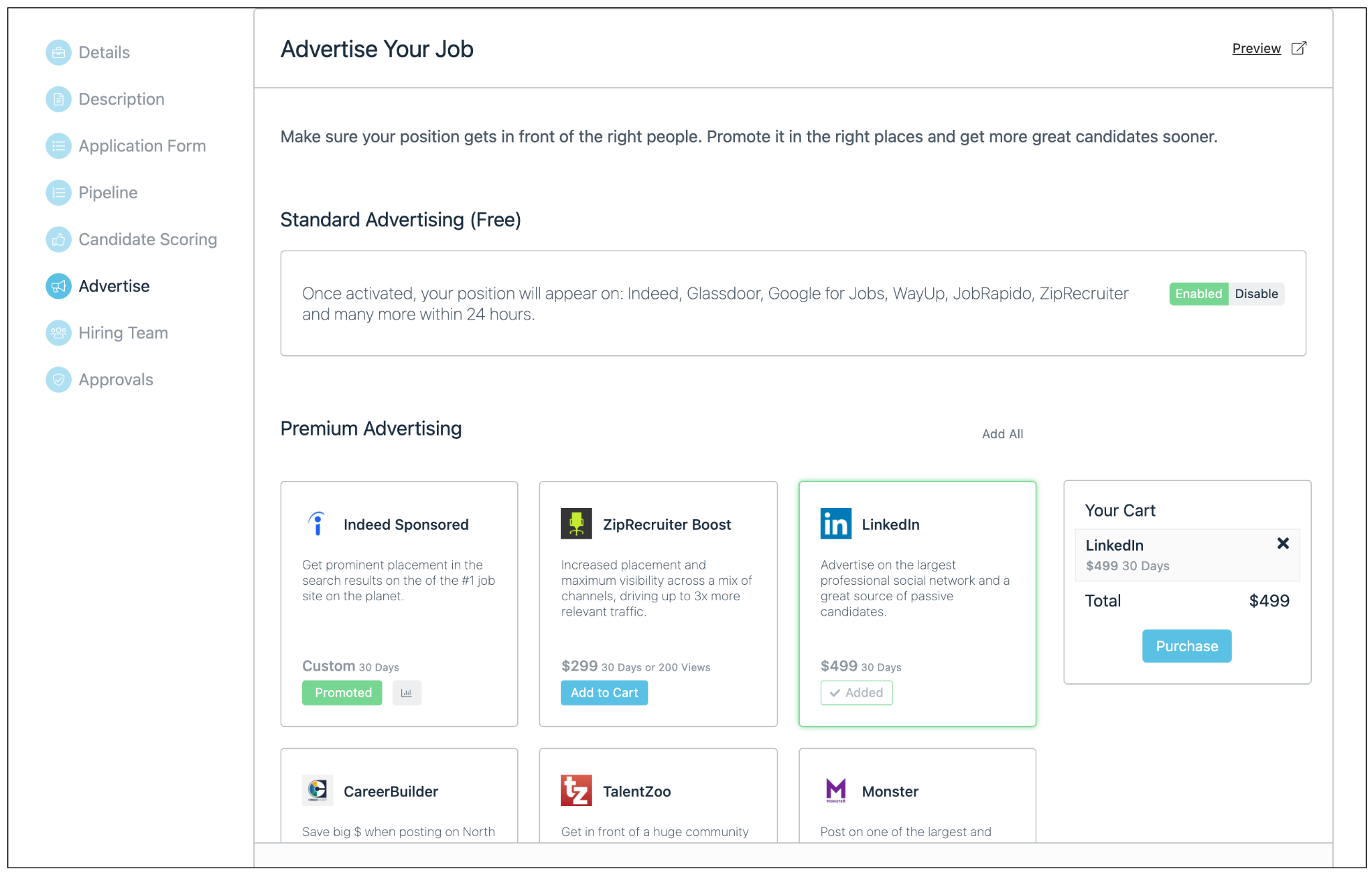
- Collaborative hiring workflows: Hiring managers and interviewers can leave scorecards, comments, and evaluations directly within candidate profiles to centralize feedback.
- Automation and screening workflows: Automates repetitive recruiting tasks like candidate screening questions, interview reminders, disqualification workflows, and follow-ups.
- Reporting and recruiting analytics: Includes basic recruiting dashboards and hiring reports for tracking pipeline activity, hiring stages, and recruiting performance.
Pros:
- Easy to use with minimal learning curve
- Strong collaborative hiring experience for SMB teams
- Modern and visually clean interface
- Built-in SMS messaging and scheduling workflows
- Faster implementation compared to many enterprise ATS platforms
Cons:
- Reporting and analytics can feel limited for larger teams
- Advanced customization options are restricted compared to tools like Ashby
- Some users mention occasional workflow limitations as hiring complexity grows
- Certain advanced features are locked behind higher pricing tiers
Pricing:
- Free plan available
- Startup: Starts around $157/month
- Growth: Starts around $273/month
- Business: Starts around $439/month
- Custom pricing available for enterprise plans
Bottom line:
BreezyHR is a strong JazzHR alternative for smaller teams that want a more modern hiring experience with better automation, collaboration, and candidate communication tools.
It’s especially useful for SMB recruiting teams that prioritize ease of use and fast adoption without the complexity of enterprise ATS platforms.
But for organizations with highly structured hiring operations, deeper analytics needs, or more advanced recruiting workflows, BreezyHR may start feeling limited over time, as per many recruiter reviews I came across.
7. Gem
Best for: Teams focused on outbound recruiting, AI sourcing, and consolidating multiple recruiting tools.
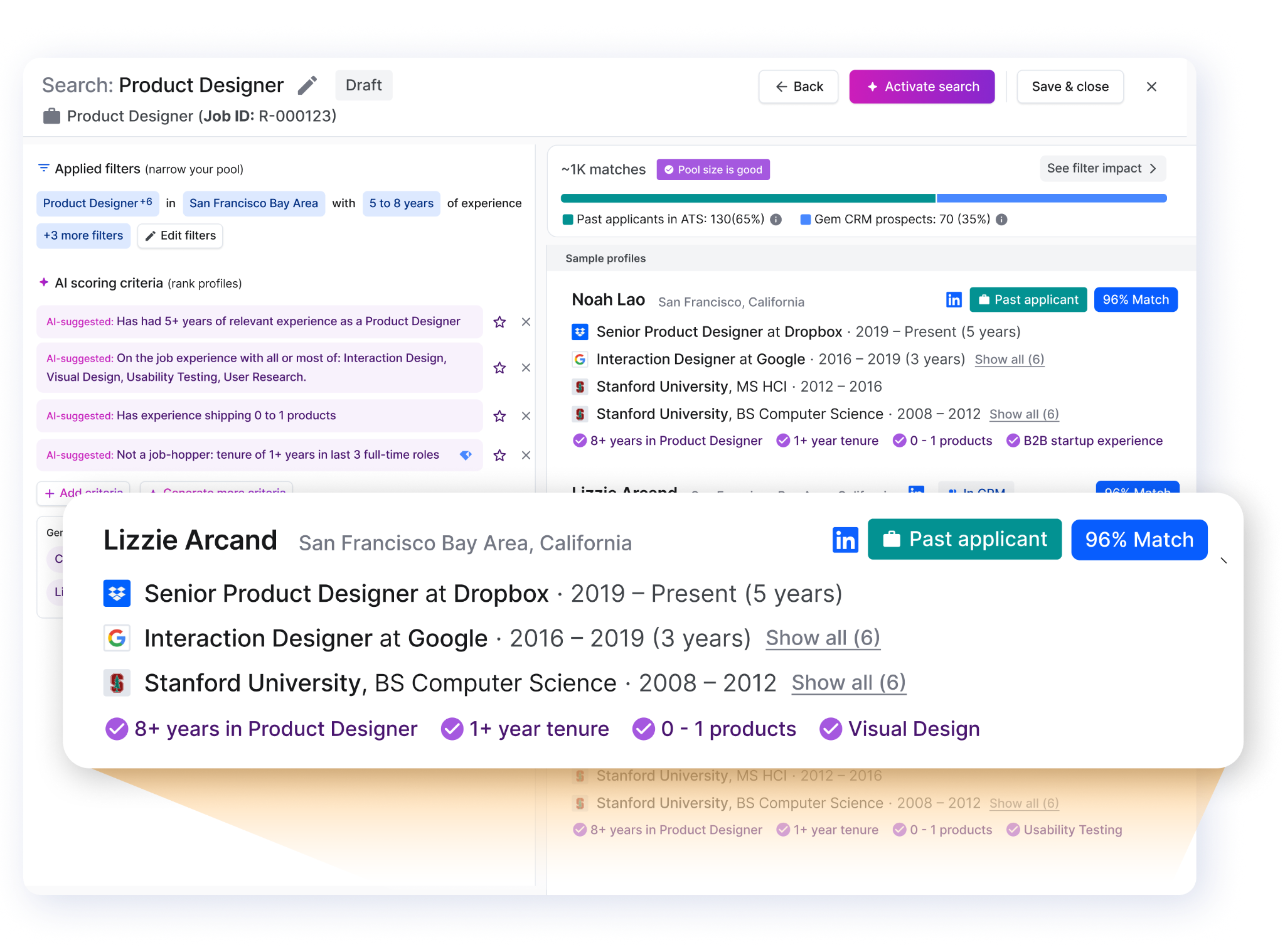
Gem has evolved into an AI-first recruiting platform that combines sourcing, CRM, and ATS into one system. The goal is simple: reduce manual work and replace multiple tools with a single platform.
I found Gem’s functionalities are largely AI-first—one of its biggest strengths. It helps source candidates from large talent pools, rank applicants, and even summarize interview feedback automatically. You can also rediscover past candidates and build talent pipelines through its CRM.
It’s powerful, but not always simple. Teams that don’t fully use its AI features may find it harder to justify.
I’d suggest going for Gem if you're already in the mid-market segment and really want an edge with AI-driven sourcing for time-saving, but JazzHR is a solid choice for SMBs.
Key features:
- AI sourcing for finding candidates across large talent databases
- AI screening that ranks and highlights top applicants
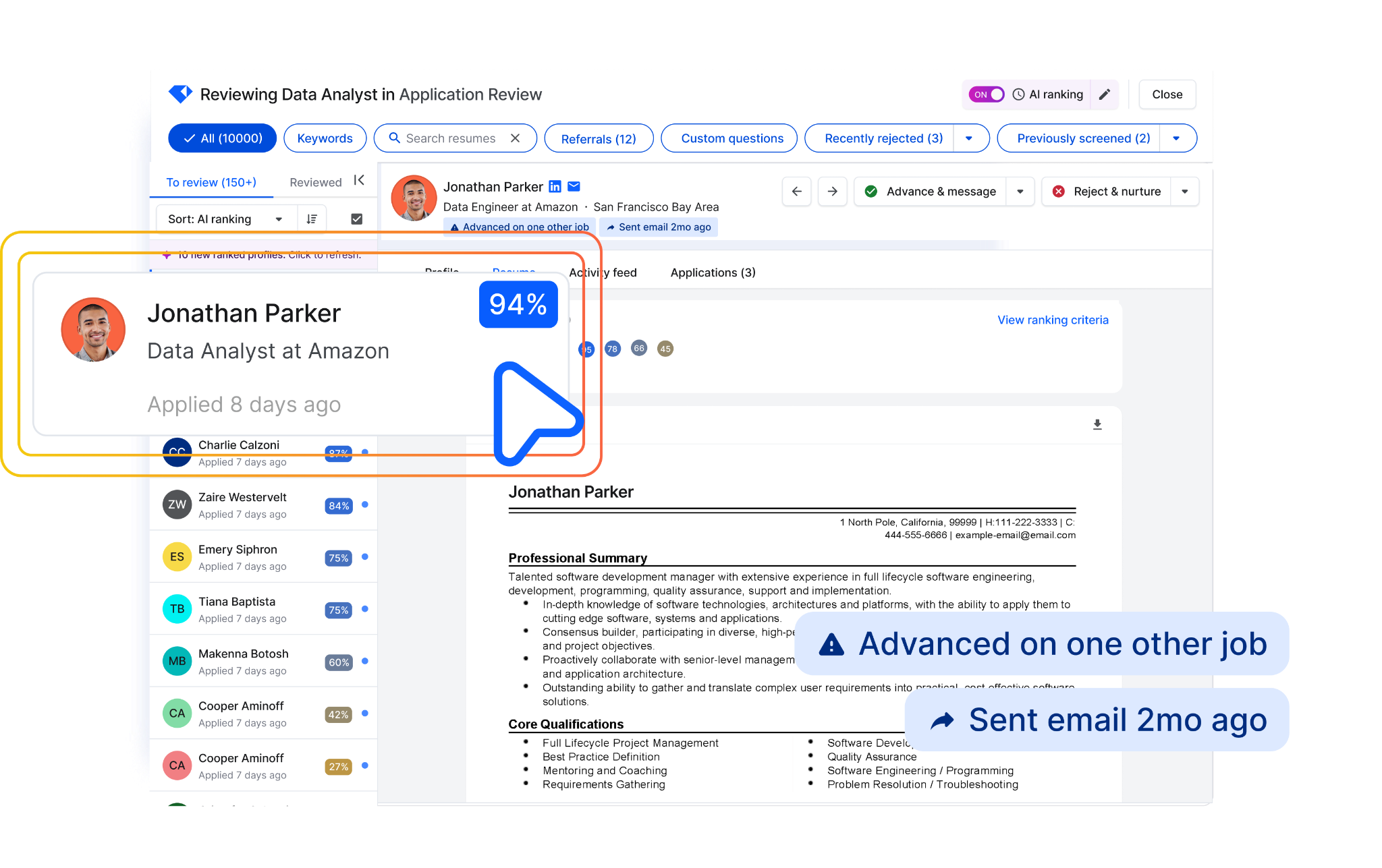
- Fraud detection agent that evaluates risk across multiple signals and flags suspicious applications
- Strong career website builder centered around recruitment marketing
- Automated interview scheduling
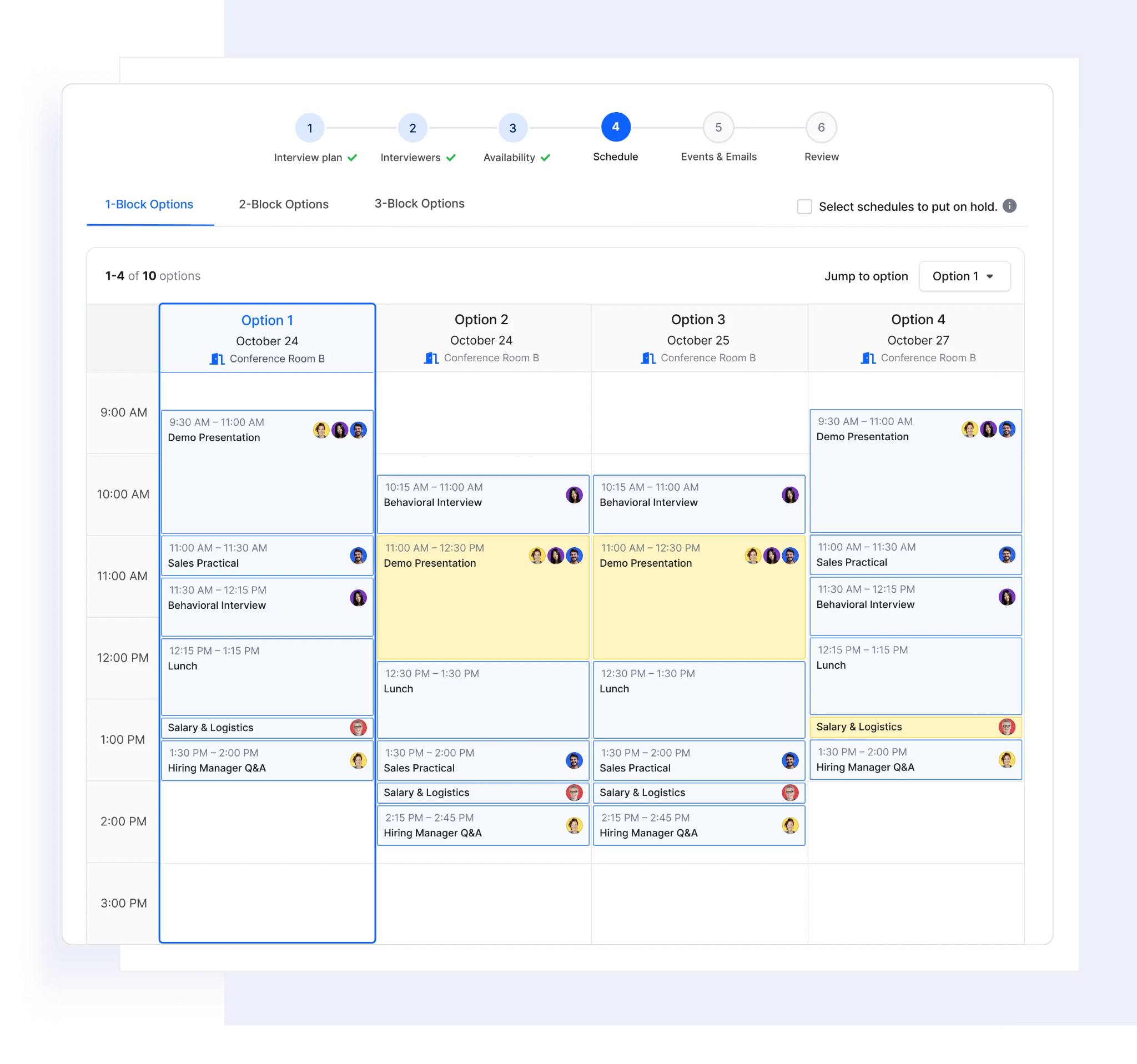
- AI-driven reporting and analytics for deep hiring insights
Pros:
- Strong AI capabilities
- Great for outbound and sourcing-heavy teams
- Reduces tool sprawl
Cons:
- Learning curve for new users
- Best value comes only if you use AI heavily
- Less focused on structured hiring workflows
Pricing:
Starts at $135/month; custom pricing for larger teams
Bottom line: Gem is a strong choice for AI-driven sourcing and automation. But compared to JazzHR, it’s more sourcing-focused, while JazzHR offers better control over workflows and more centralization for the full recruitment cycle, not just sourcing.
8. Lever
Best for: Mid-sized to enterprise companies that want a combination of ATS + CRM with strong sourcing, automation, and candidate engagement
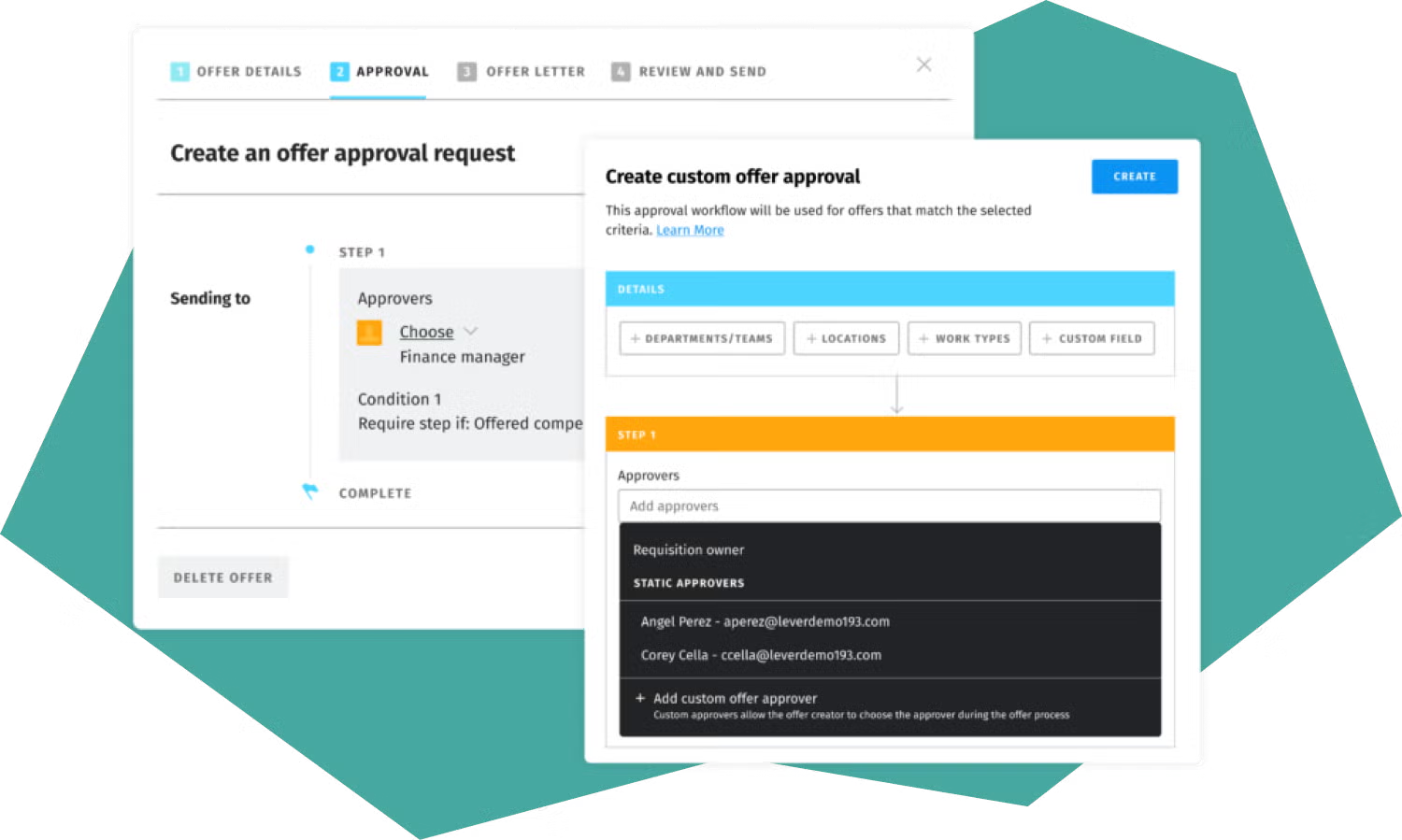
Lever is a platform that combines an ATS with built-in CRM capabilities, making it a popular choice for teams that want to go beyond just managing applicants and actively engage talent pipelines.
Where Workable focuses on inbound hiring and simplicity, Lever is built for proactive recruiting—with stronger candidate sourcing, automation, and relationship management capabilities.
Lever also offers an AI interview companion for automatic note taking and actionable insights on interview data.
Overall, it’s a solid option for teams looking to scale outbound hiring and nurture candidates over time.
Why Lever is a better alternative to JazzHR:
- More than just an ATS (built-in CRM): Lever combines ATS + CRM in one platform, allowing recruiters to nurture candidate relationships, track interactions, and build long-term talent pipelines—something Workable lacks.
- Stronger sourcing and candidate engagement: Lever enables multi-channel sourcing, LinkedIn integrations, and candidate rediscovery—helping teams reach passive candidates and not just rely on inbound applications.
- Better workflows and automation: Lever supports custom workflows, automation, and scalable configurations, making it more adaptable for growing teams compared to Workable’s rigid workflows.
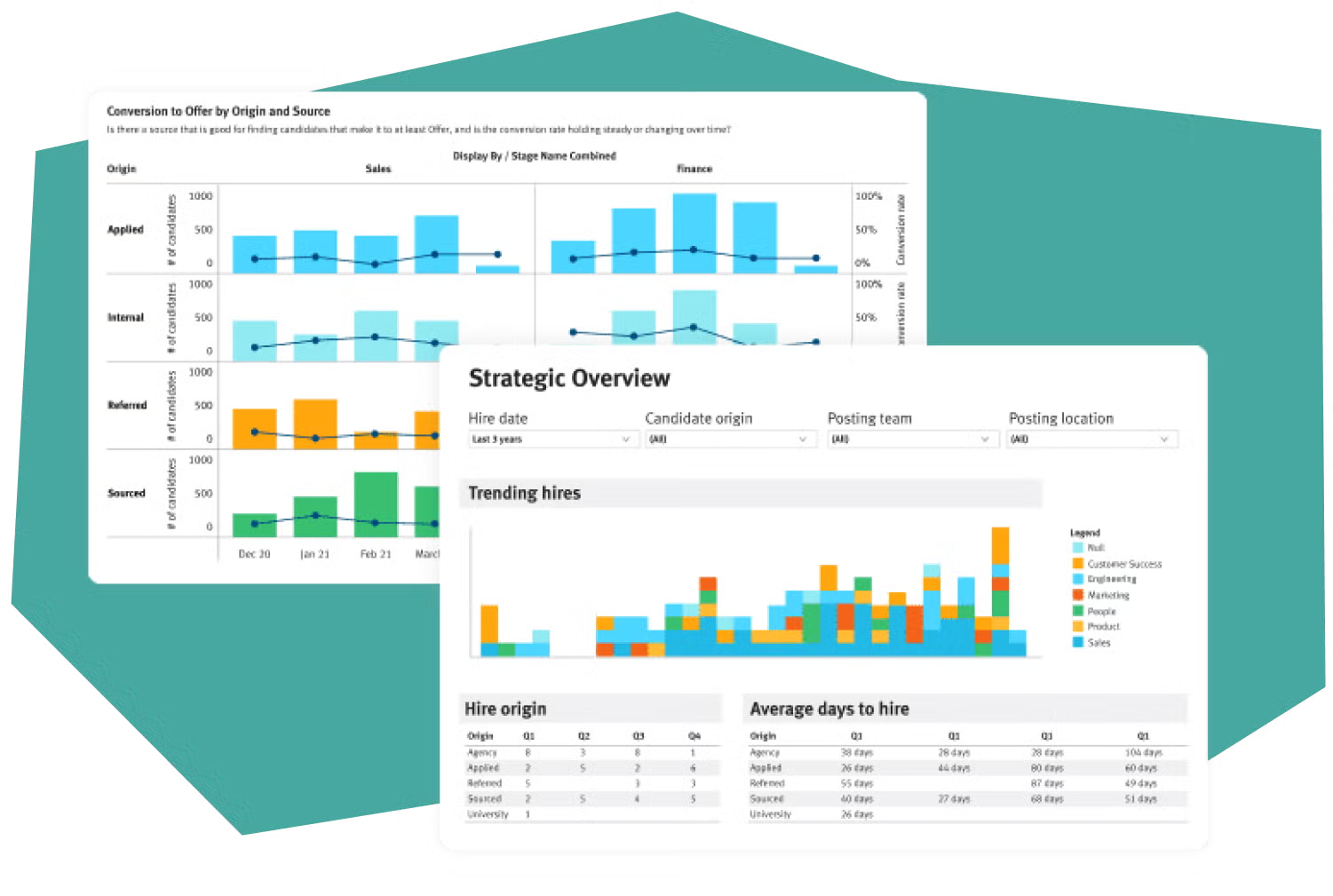
- More advanced analytics and pipeline visibility: Lever offers visual dashboards, source tracking, and pipeline insights, giving teams a clearer view of hiring performance compared to Workable’s more basic reporting.
- Stronger integrations ecosystem: With 300+ integrations, Lever makes it easier to connect your hiring stack without workarounds—something users often struggle with in Workable.
Where Lever falls short:
- Can get complex for smaller teams: With ATS + CRM combined, Lever can feel overwhelming for teams that just want a simple hiring tool like Workable.
- Pricing is not transparent: Lever follows custom pricing, which can make it harder for teams to evaluate costs upfront compared to Workable’s more straightforward pricing tiers.
Bottom line: Lever is a strong alternative to JazzHR if your hiring strategy relies heavily on sourcing and candidate engagement rather than just inbound applications. It gives you more flexibility, automation, and pipeline visibility.
But it still requires add-ons for features that can match a fully unified, AI-driven recruiting platform—making it a pricier option.
→ Looking for Lever alternatives? Check out our guide here!
How to choose the best JazzHR alternative for your hiring team
The right JazzHR alternative depends on what your team is struggling with most right now. Here’s a quick deciding framework to evaluate the best ATS implementation for your needs:
- If you want a simple ATS that’s easy to adopt: Workable or BreezyHR are strong options for smaller teams that want faster setup and straightforward hiring workflows.
- If you want hiring + HR management in one system: BambooHR makes more sense for HR-led teams managing onboarding, payroll, employee records, and recruiting together.
- If you want more structured hiring and interview consistency: Greenhouse is better suited for companies with formal hiring processes, multiple stakeholders, and standardized interview workflows.
- If reporting, analytics, and workflow customization are your biggest priorities: Ashby and Kula stand out for deep and AI-powered recruiting insights and highly customizable workflows without relying heavily on spreadsheets or external tools.
- If outbound recruiting and candidate relationship management matter most: Lever is a better fit for sourcing-heavy teams focused on pipeline building and long-term candidate engagement.
- If you want to consolidate sourcing, ATS, scheduling, analytics, and AI workflows into one platform: Kula is the best fit for teams trying to reduce tool fragmentation and automate more of the recruiting process without stitching together multiple systems.
But the biggest mistake teams make is choosing an ATS based only on their current hiring needs.
A platform that works well for a 20-person company can start creating operational bottlenecks once hiring volume, recruiter coordination, and reporting needs become more complex.
The better question to ask is: Will this system still support the way we hire 12–24 months from now?
If your team is starting to outgrow disconnected recruiting tools, manual coordination, and surface-level ATS workflows, it may be worth exploring what a more unified recruiting system looks like.

Startups often need to hire quickly to keep up with growth and usually operate with a limited team and budget. For this, an ATS that is affordable and offers comprehensive hiring features with AI and automation for faster hiring with minimal manual efforts. Kula can be a strong choice for startups. It offers advanced AI, in-depth reporting, and a simple interface.
JazzHR is a modern ATS tool that offers AI for job distribution, customized workflows, and advanced reporting. Workable combines HR and ATS tool capabilities that not only provide complete hiring capabilities but also offer mobile app and HR management features. If your company needs HR support along with an ATS tool, Workable is your tool.
JazzHR and Ashby are both modern ATS tools with AI and automation support. However, JazzHR has less advanced AI in comparison to Ashby, as Ashby offers advanced outreach features and interview intelligence features. But JazzHR is comparatively easier to use than Ashby. So, if you prefer an advanced tool, choose Ashby, and for a simple interface, JazzHR must be your choice.